


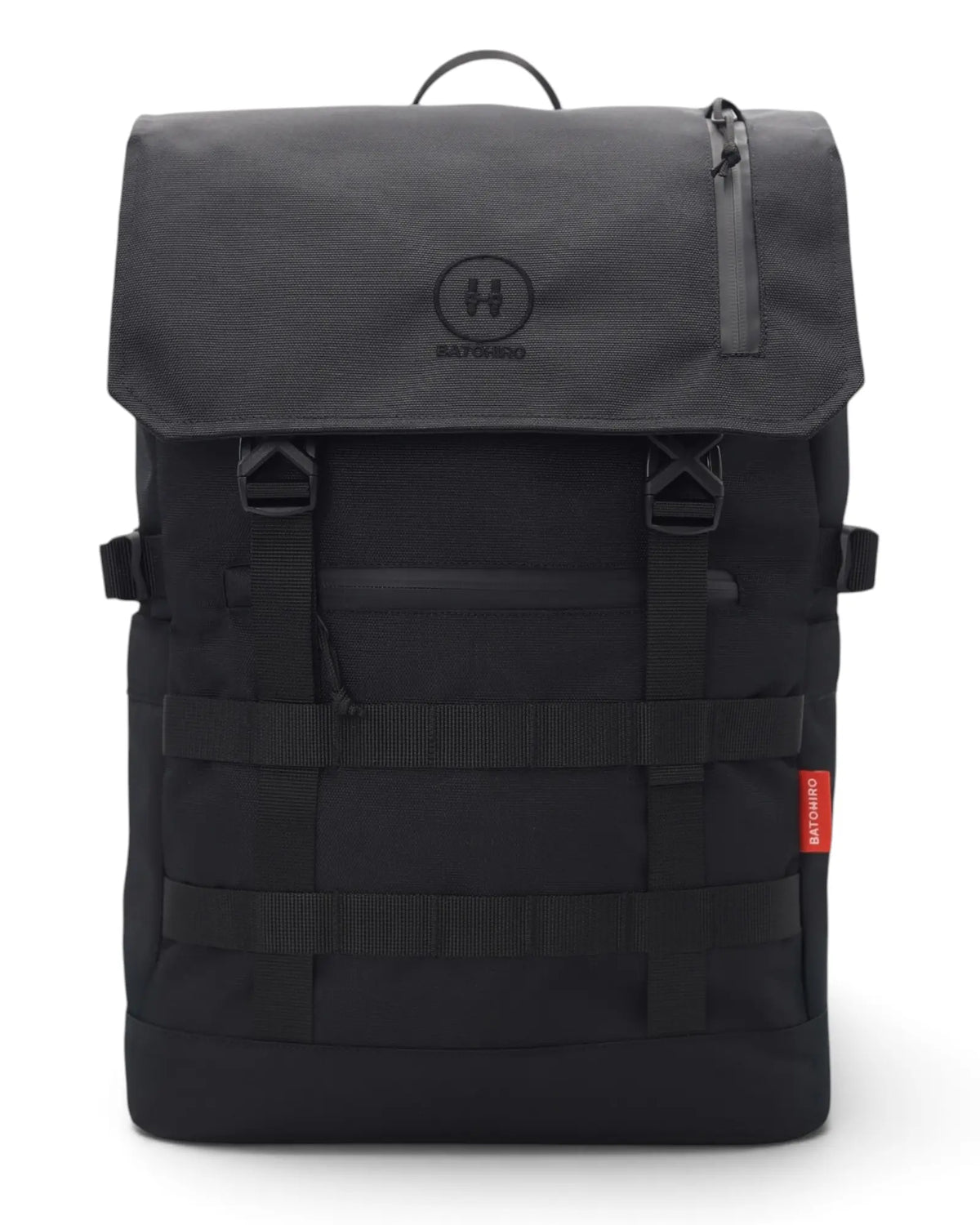
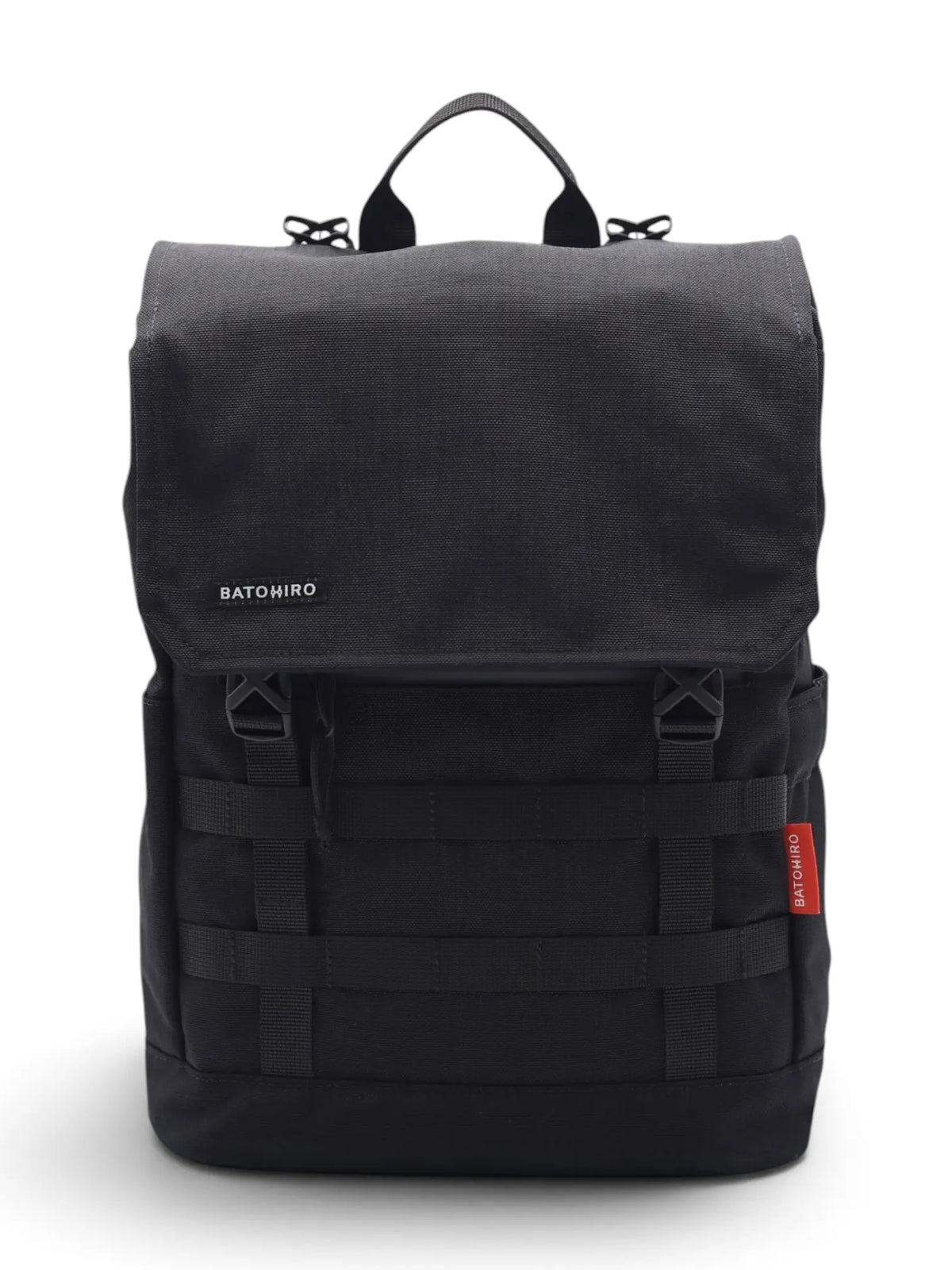
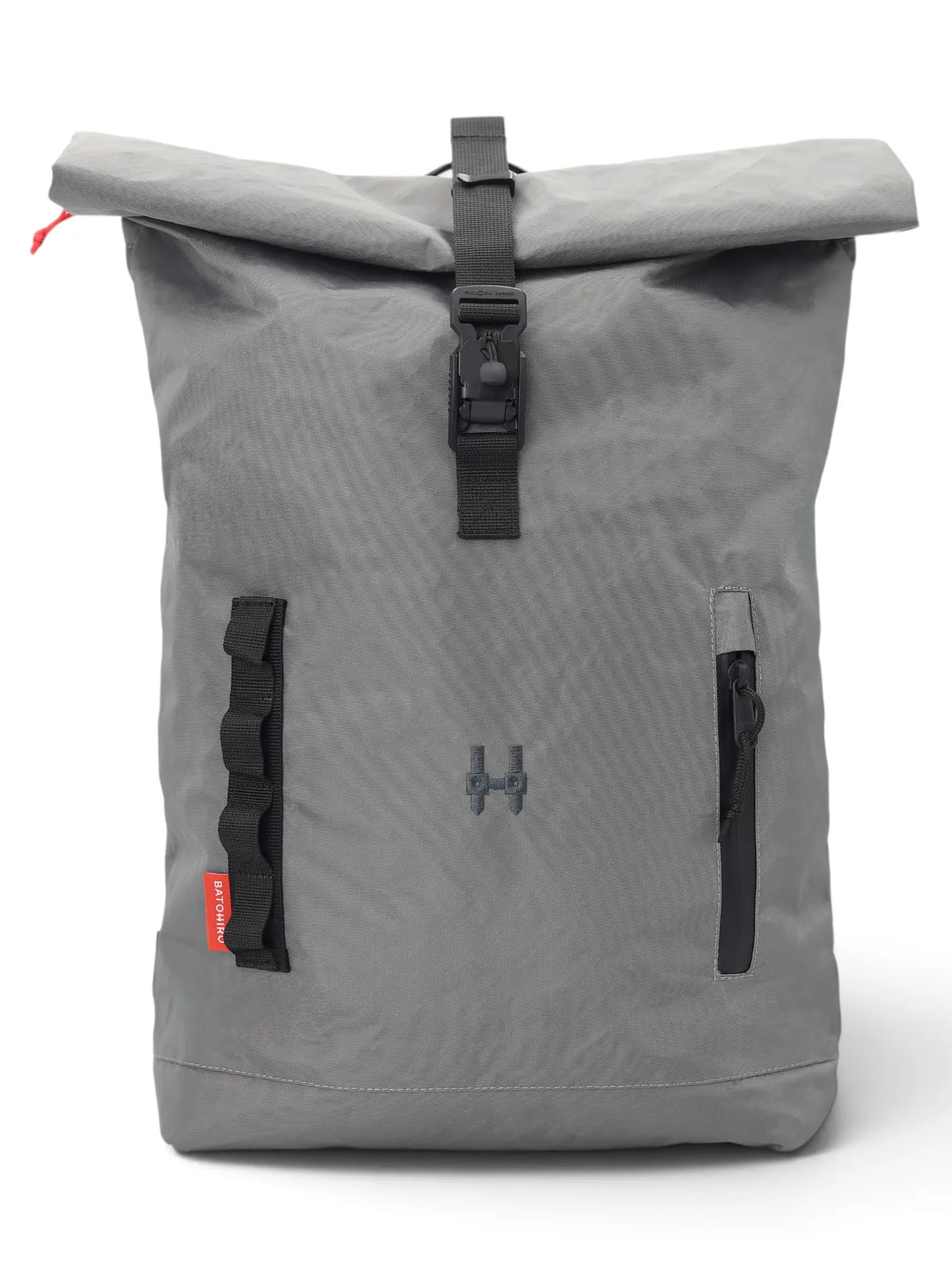
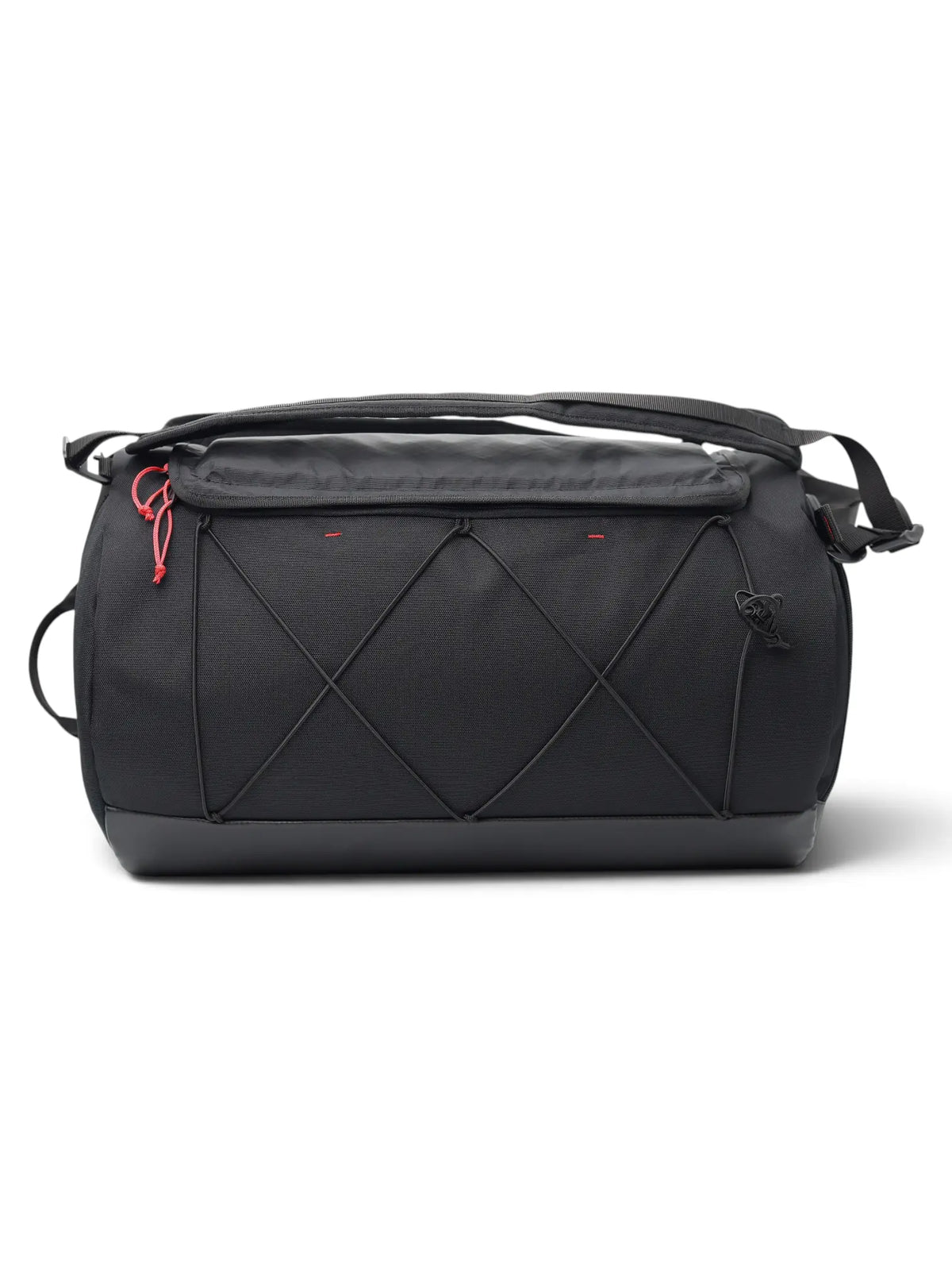
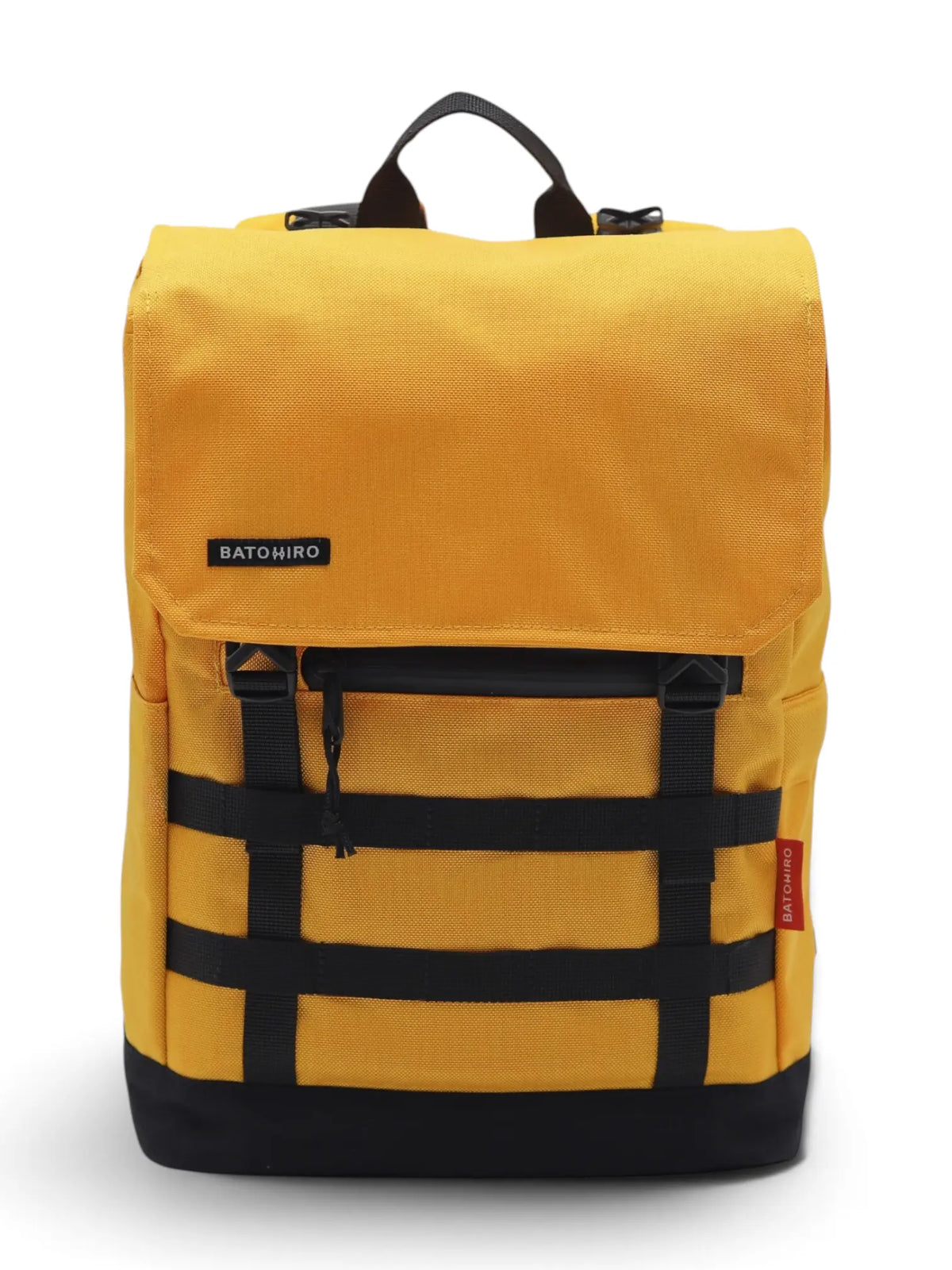
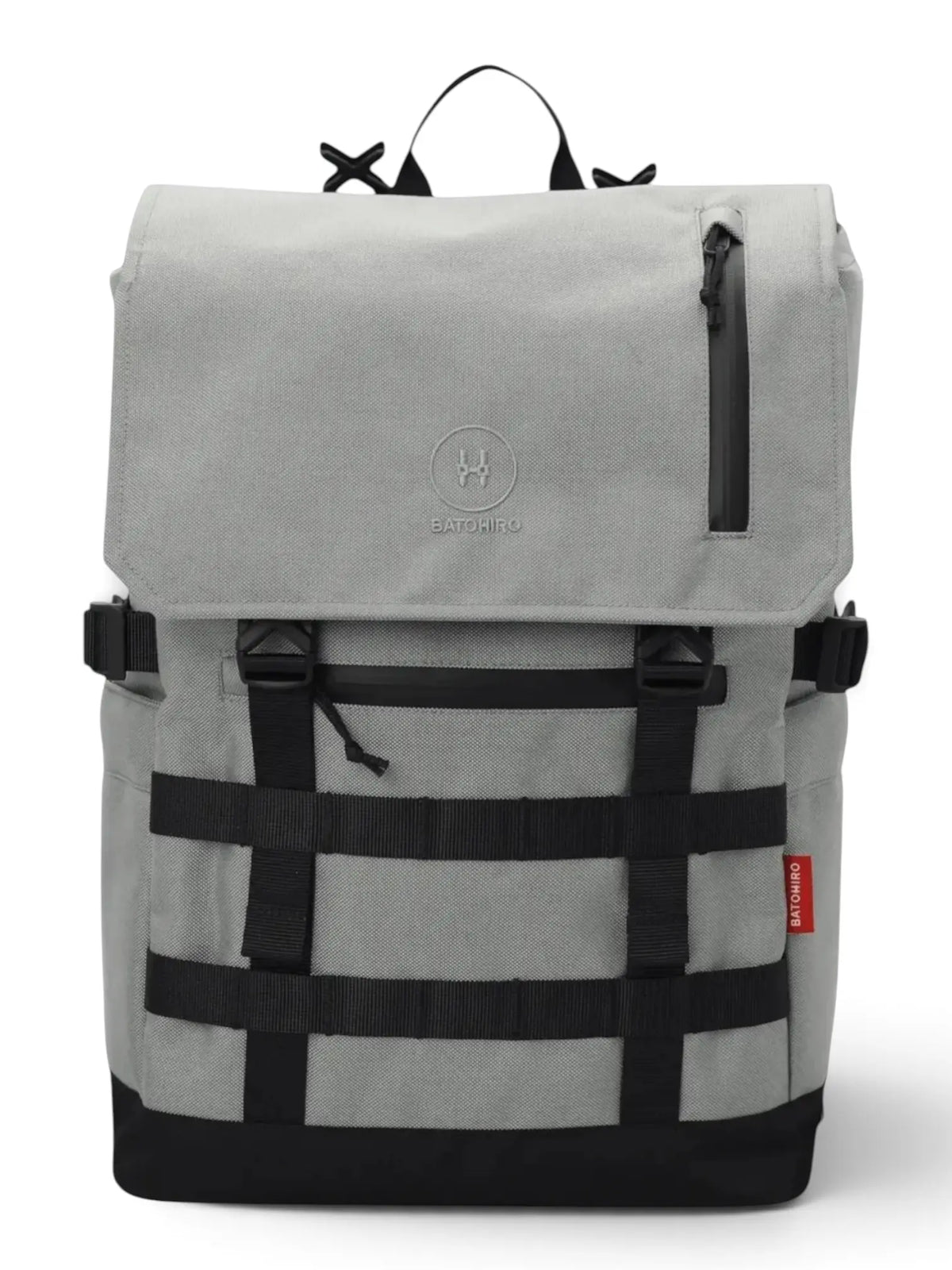
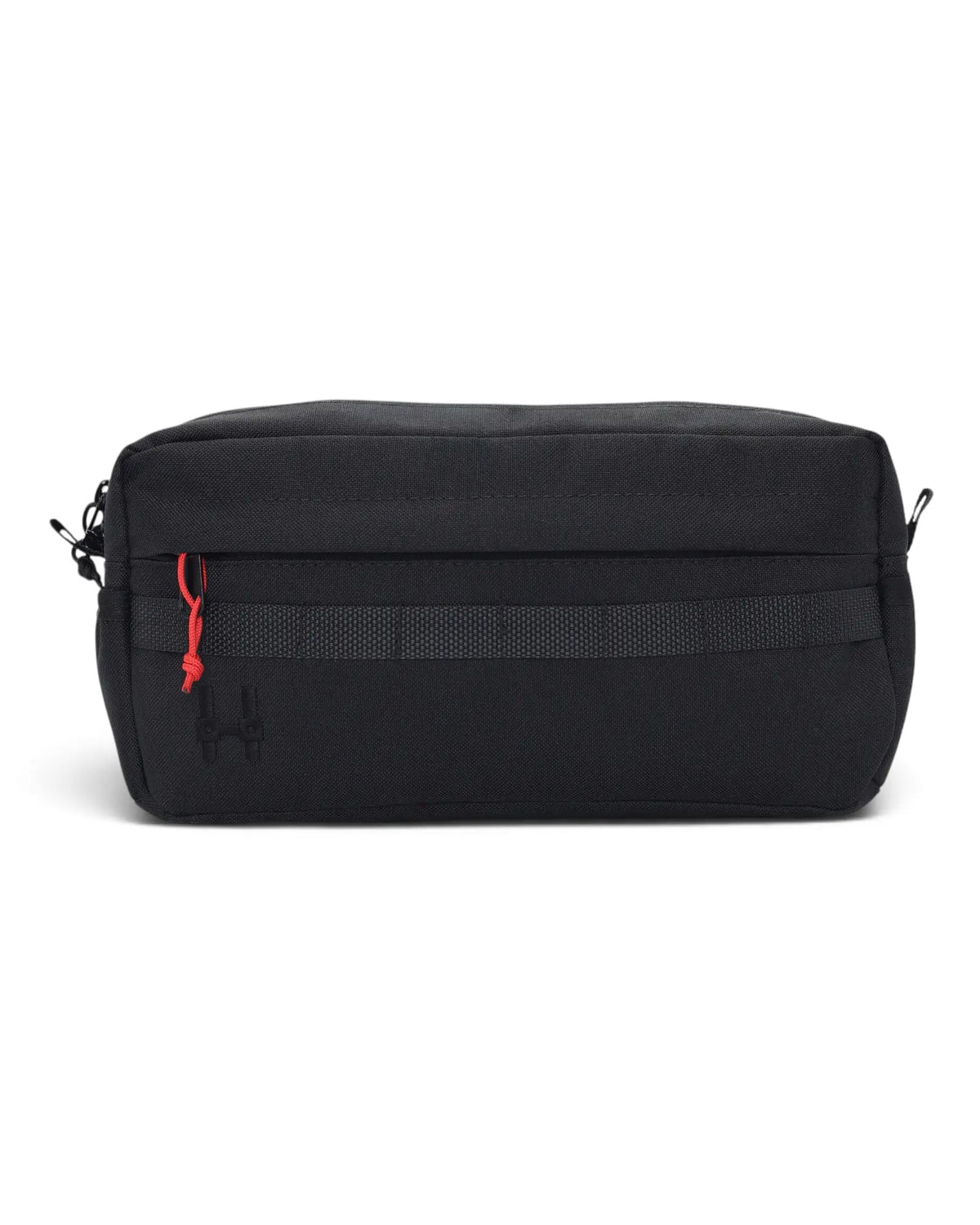
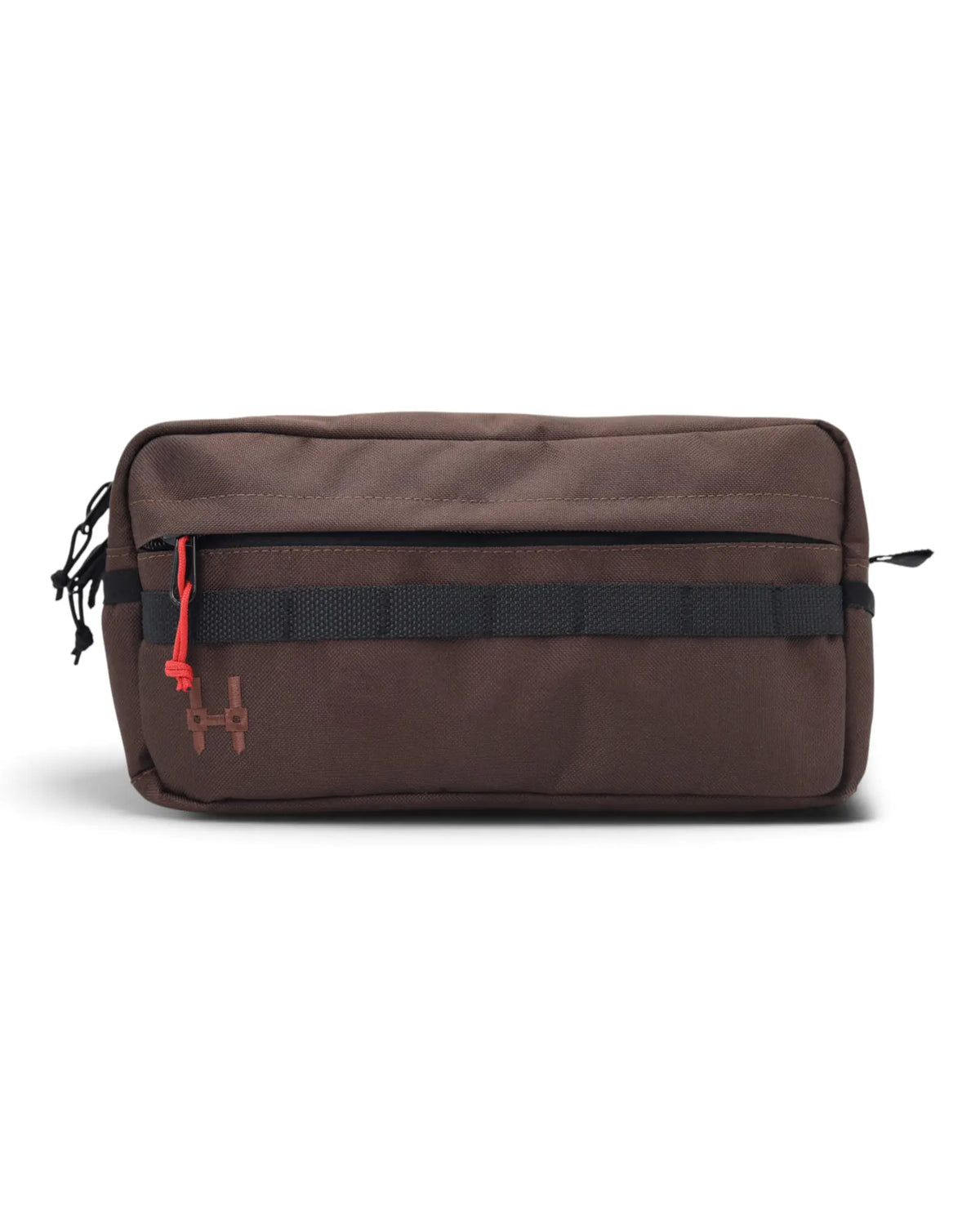
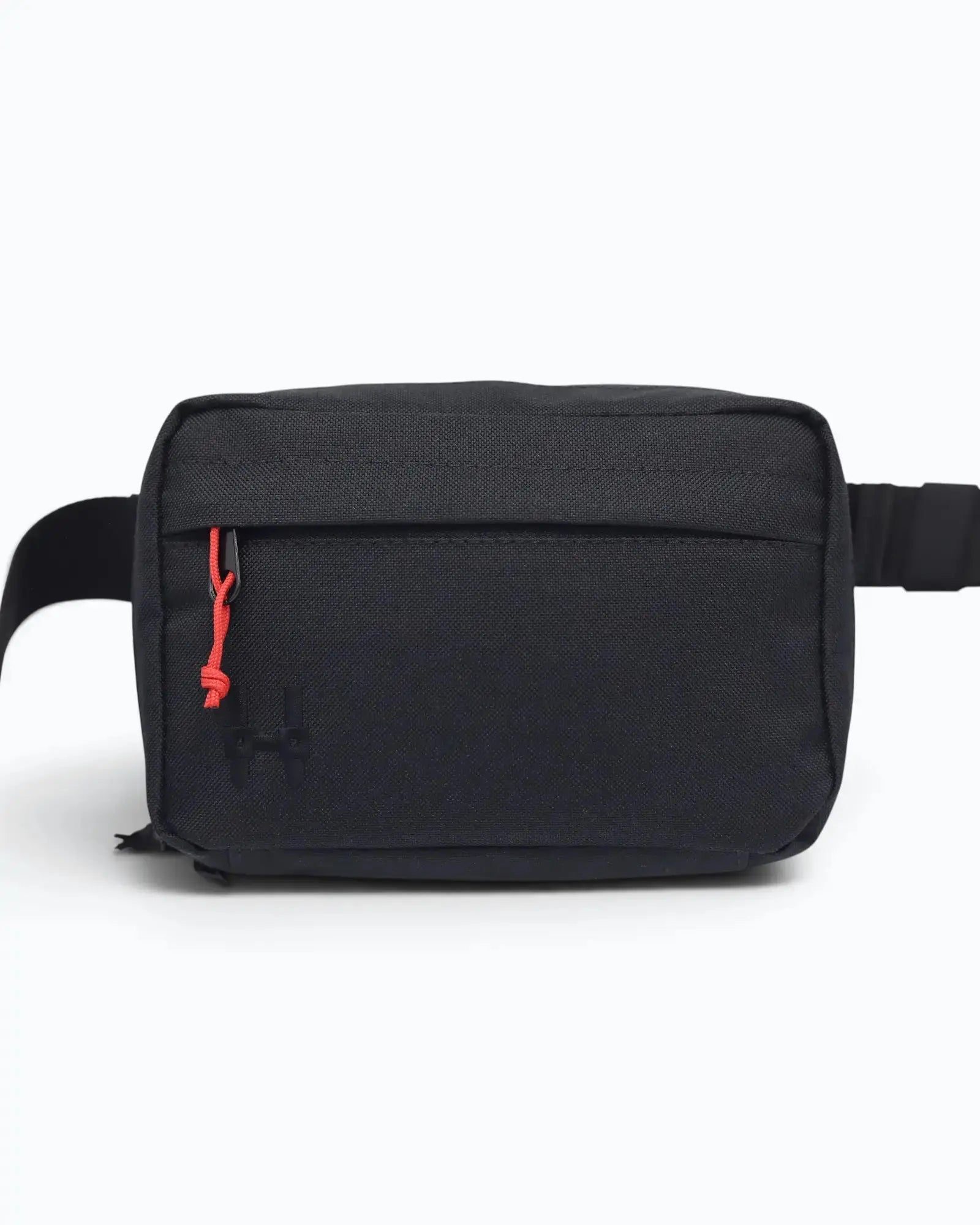
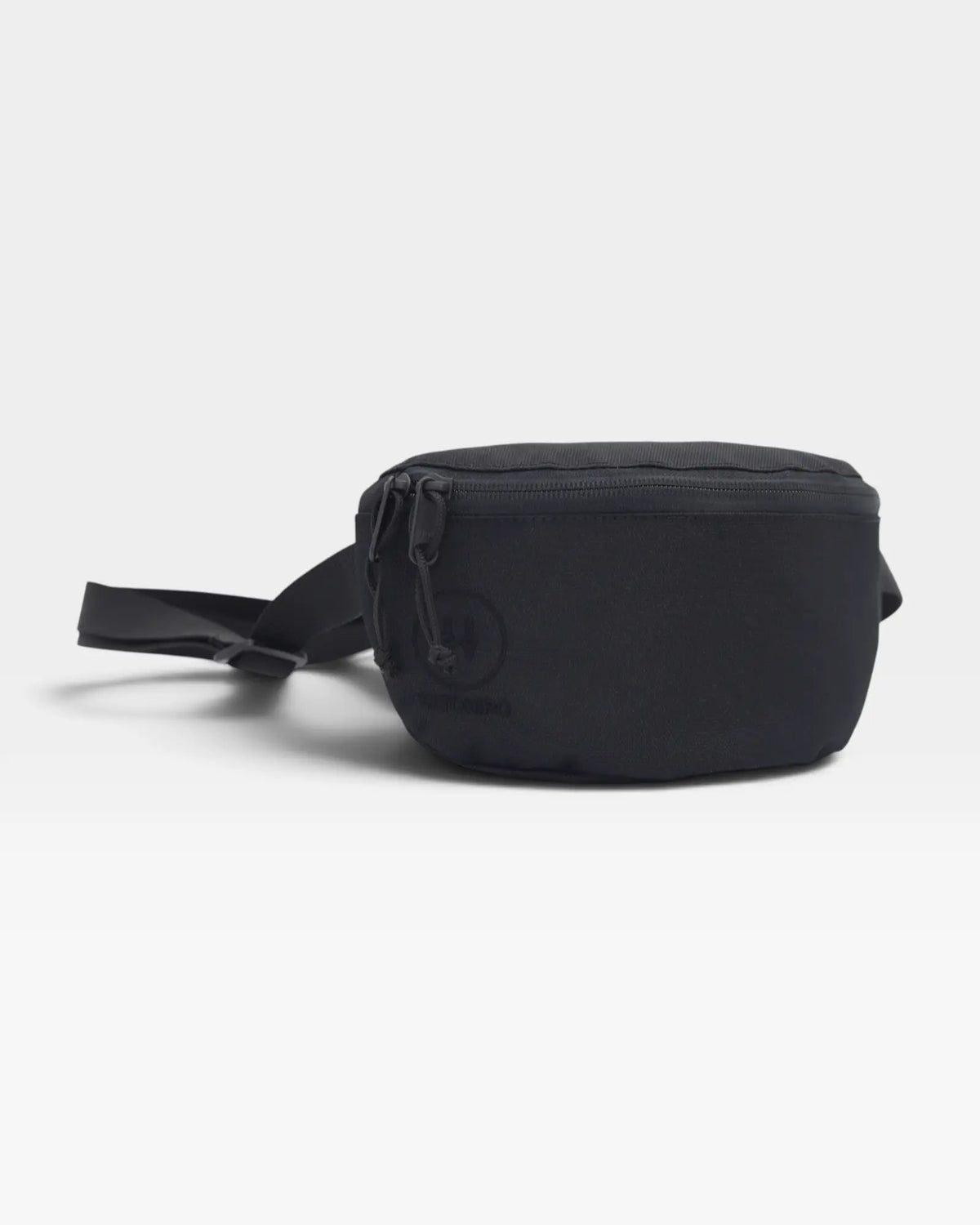
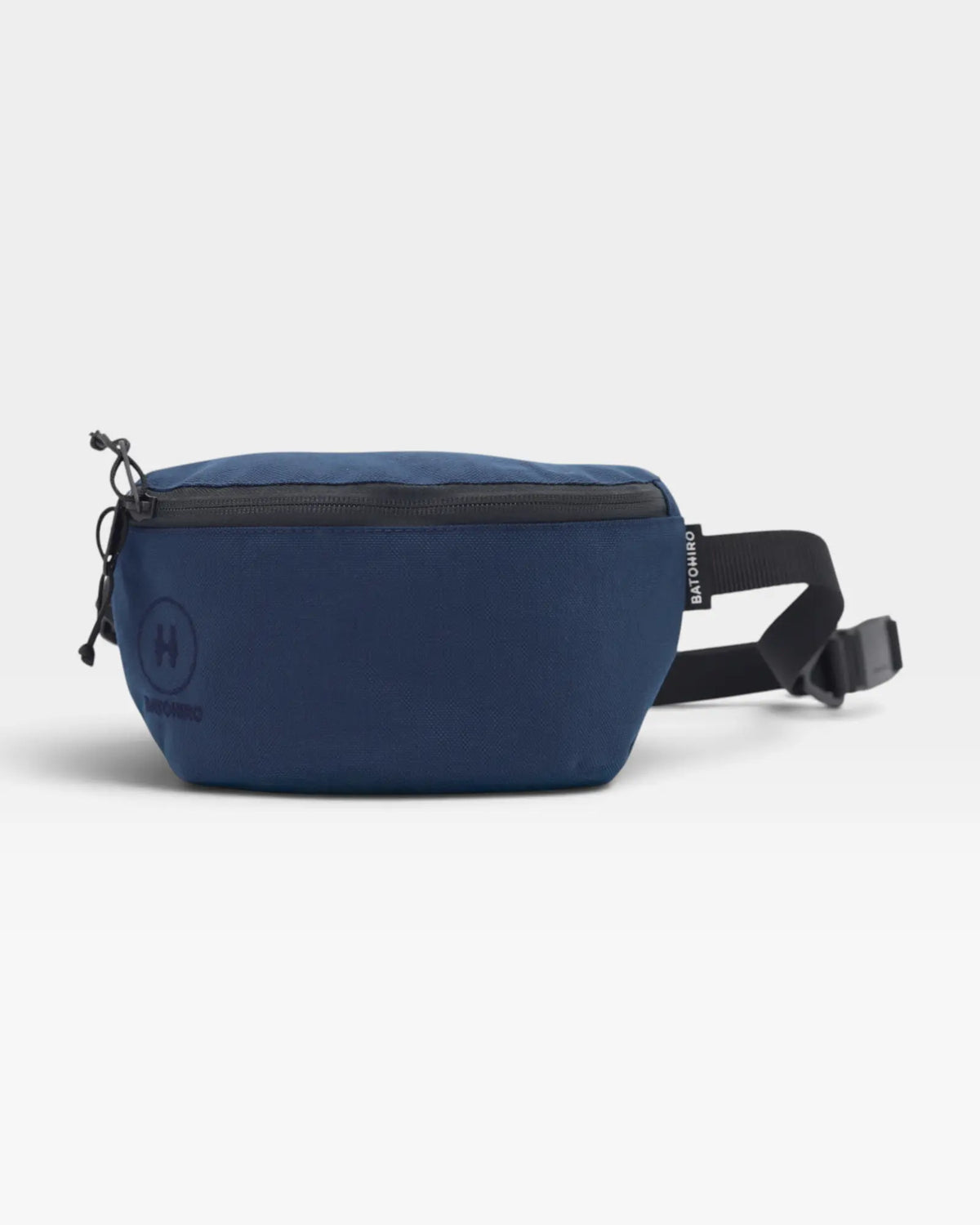
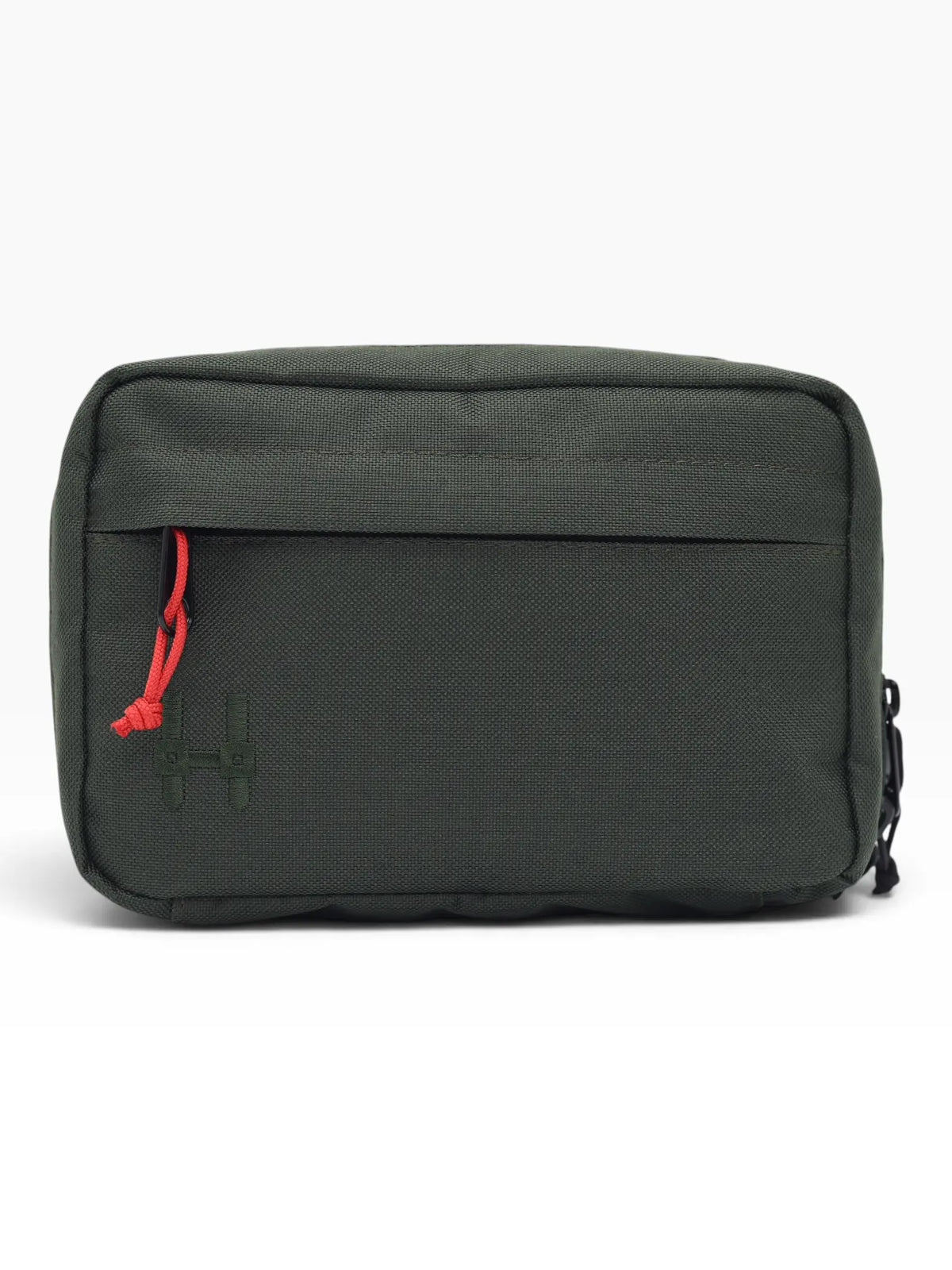





A good backpack will last for years - but only if you take care of it. It is nothing complicated: a few minutes once a season, proper storage, and timely repairs of minor issues. Here is the procedure we use for the backpacks in our workshop, whether they are made of CORDURA® or recycled ECOPAK™.
What you will need
A soft brush or sponge, cold water, a mild alcohol-free cleaner, and an impregnation treatment once a season. Do not use ordinary detergents or degreasers - they dissolve the water-repellent finish on the surface of the fabric.


1. Regular cleaning
Cleanliness is the foundation of a backpack's long life. Regular cleaning not only keeps the backpack fresh and odor-free, but also prevents dirt and dust from building up and damaging the material over time. Zippers suffer the most: sand and dust in the teeth are the most common reason a zipper fails after years of use.
- Empty the backpack and shake crumbs and sand out of all pockets, especially the bottom.
- Wipe off ordinary dirt with a sponge soaked in cold water.
- Spray stains with backpack and belt bag cleaner, leave it to work for a while, and scrub with a soft brush. The cleaner contains no alcohol, parabens, or silicones, so it will not damage the water-repellent finish of CORDURA® or ECOPAK™.
- Brush the zippers with a dry brush (an old toothbrush is enough) to keep sand from remaining in the teeth.
- Air-dry it open and hanging, away from heaters and direct sunlight.
Do not put the backpack in the washing machine. The washing machine weakens the polyurethane layer on the inside of the fabric that keeps water out, and damages YKK® zippers and Fidlock® magnetic buckles.
2. Proper storage
When you are not using the backpack, store it in a dry place away from direct sunlight, which can cause the material to fade. It is best to hang it up so it does not become creased and retains its shape. Before storing it for a longer period, always empty it and let it dry completely - moisture trapped in a basement is the one thing even CORDURA® cannot handle.
For backpacks with an expansion system, such as Minato Premium 6.0 or Minato Lite 2.0, it is ideal to store them in their smallest configuration with the zippers closed - this prevents the fabric from deforming.
3. Watch out for overloading
Every backpack has its capacity. Overloading puts more strain on the zippers, seams, and strap attachments than anything else. Place heavy items close to your back and at the bottom, and light items at the top and toward the outside. If you cannot close the backpack in its smallest configuration without pulling on the zipper, it is time to expand it - on Minato, that is exactly what the 20/30/40 l expansion system is for.
When carrying a full backpack for a longer period, the Flex chest strap helps: it pulls the shoulder straps together, distributes the weight across your chest, and keeps the backpack from swaying as you walk.
4. Protection from water
Batohiro backpacks are made of water-resistant CORDURA® and ECOPAK™, so they can handle ordinary rain in the city without a rain cover. However, the water-repellent finish on the surface (DWR) weakens over time - you can tell because water stops forming droplets and begins to soak into the fabric.
Then simply clean the backpack (see step 1), let it dry completely, and spray it with NANO impregnation from a distance of about 20 cm, evenly over the entire surface. The impregnation creates a thin film of silicon nanoparticles that repels water and dirt while the fabric remains breathable. Let it dry for 24 hours. Once a season is enough; for a backpack worn every day, apply it twice a year.
A rain cover is still useful for a multi-day hike in the rain - during prolonged heavy rain, water will get through the seams and zippers of any backpack.
5. Repairing minor damage
Do not put off small tears or a damaged zipper. A zipper that has started to come apart can turn into a need to replace the entire zipper within a week, while a small tear in the fabric grows with every use.
We repair Batohiro backpacks and belt bags in the same workshop where they were made, using the same components - you can find the procedure and prices on the Service and repairs page. Manufacturing defects are covered by the lifetime warranty and we repair them free of charge. You can bring the backpack directly to our store in Žižkov.
In conclusion
A backpack is not only a practical helper, but also an investment. Regular cleaning, proper storage, a reasonable load, impregnation once a season, and timely repairs - that is all it needs to serve you for ten years or more. Backpacks that receive this care and
Read more
We all know how important it is to have a reliable backpack that accompanies us to work, school, on trips, or simply on our everyday errands. But what sets an ordinary backpack apart from a high-qu...
Nowadays, when you need to be constantly prepared for different situations, a universal backpack is an indispensable companion. The Minato Backpack, the flagship of the Batohiro brand, brings a com...