


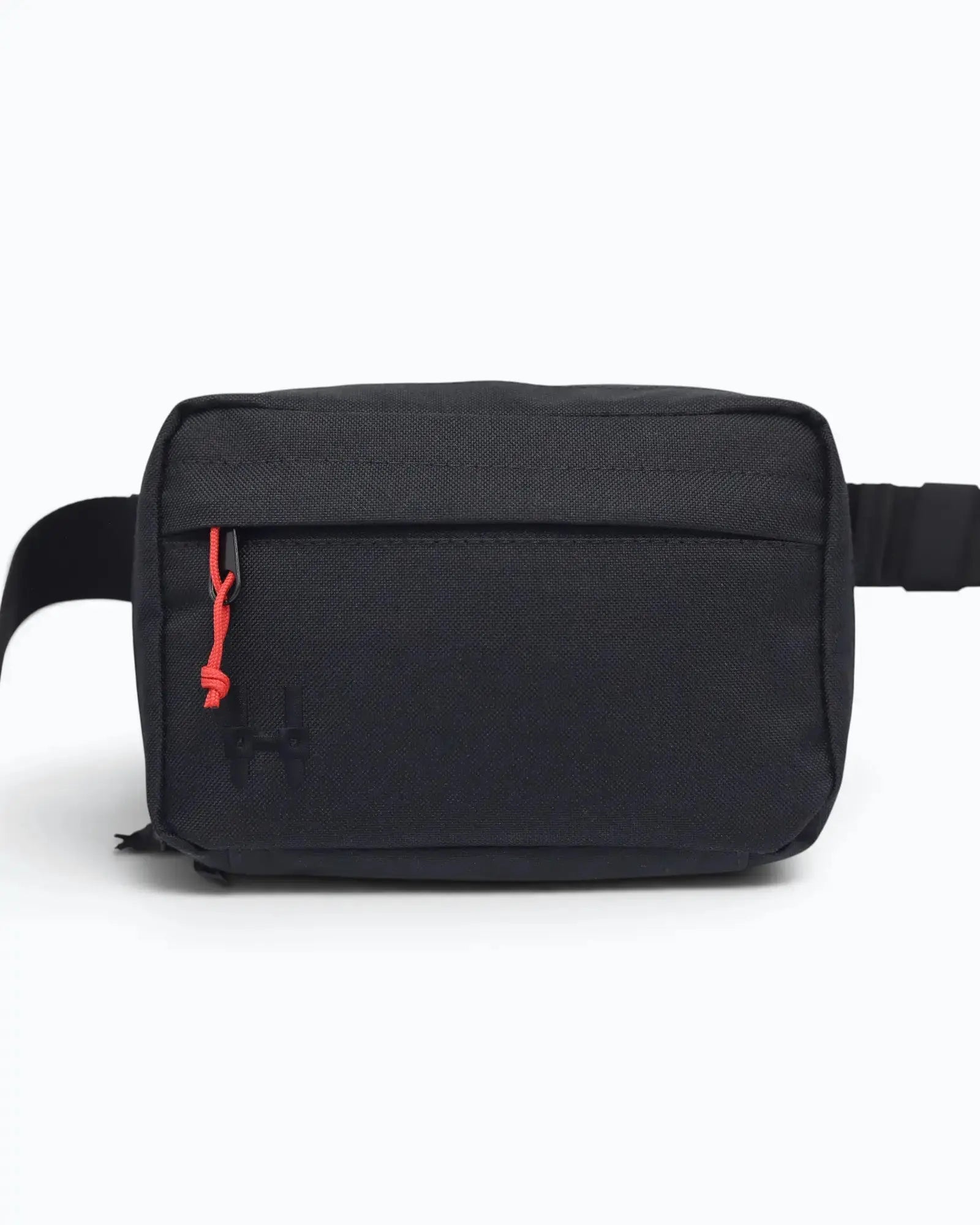
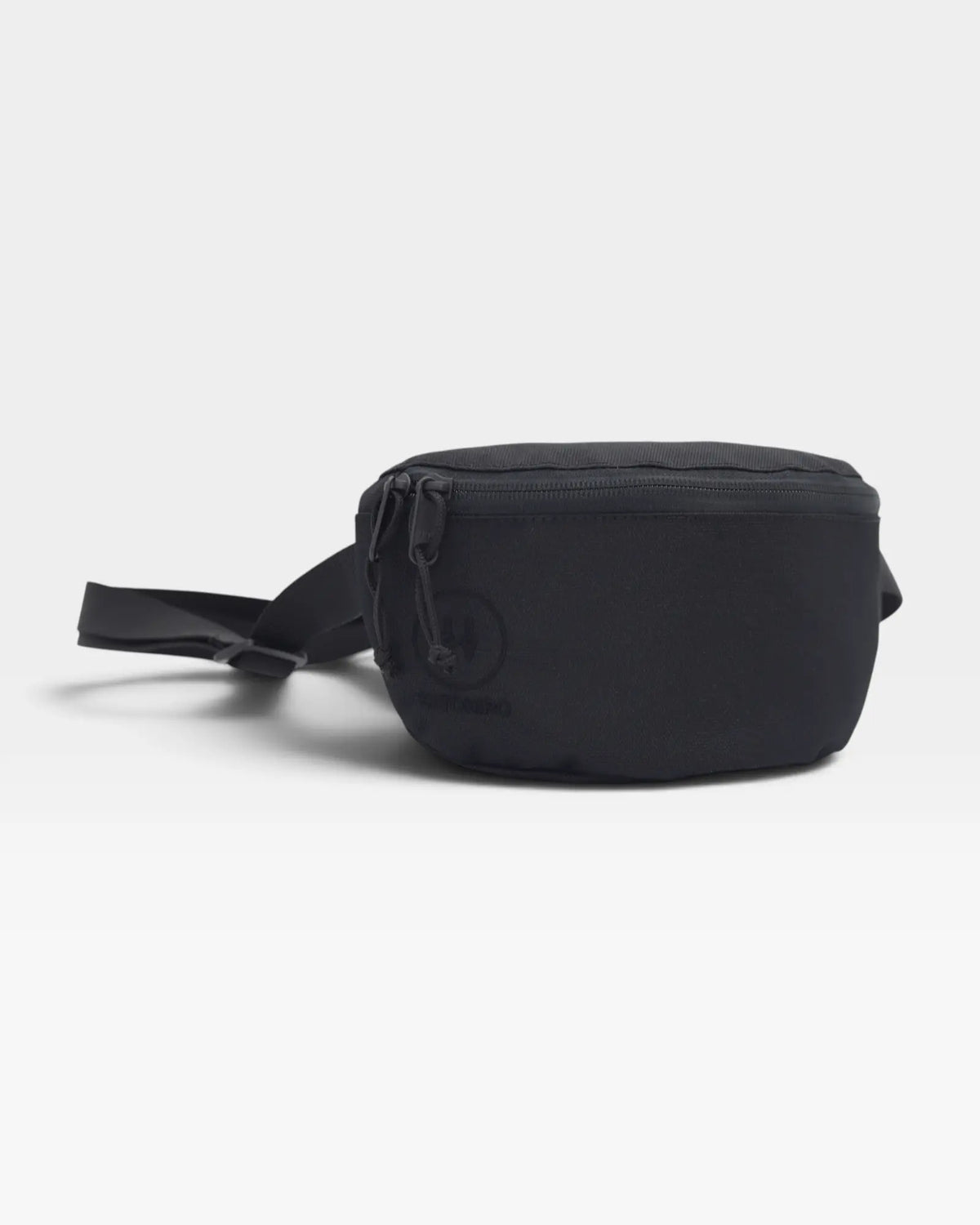
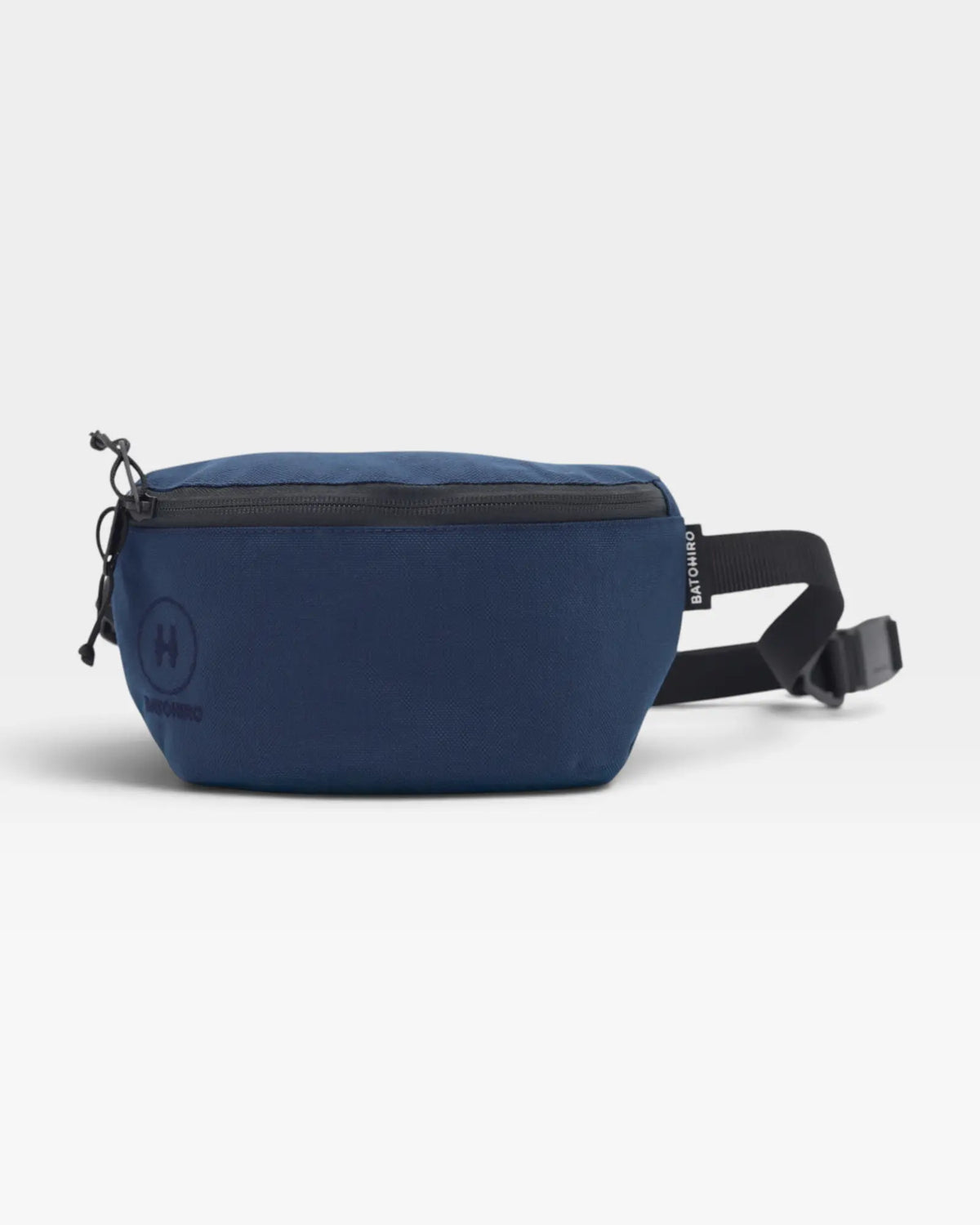
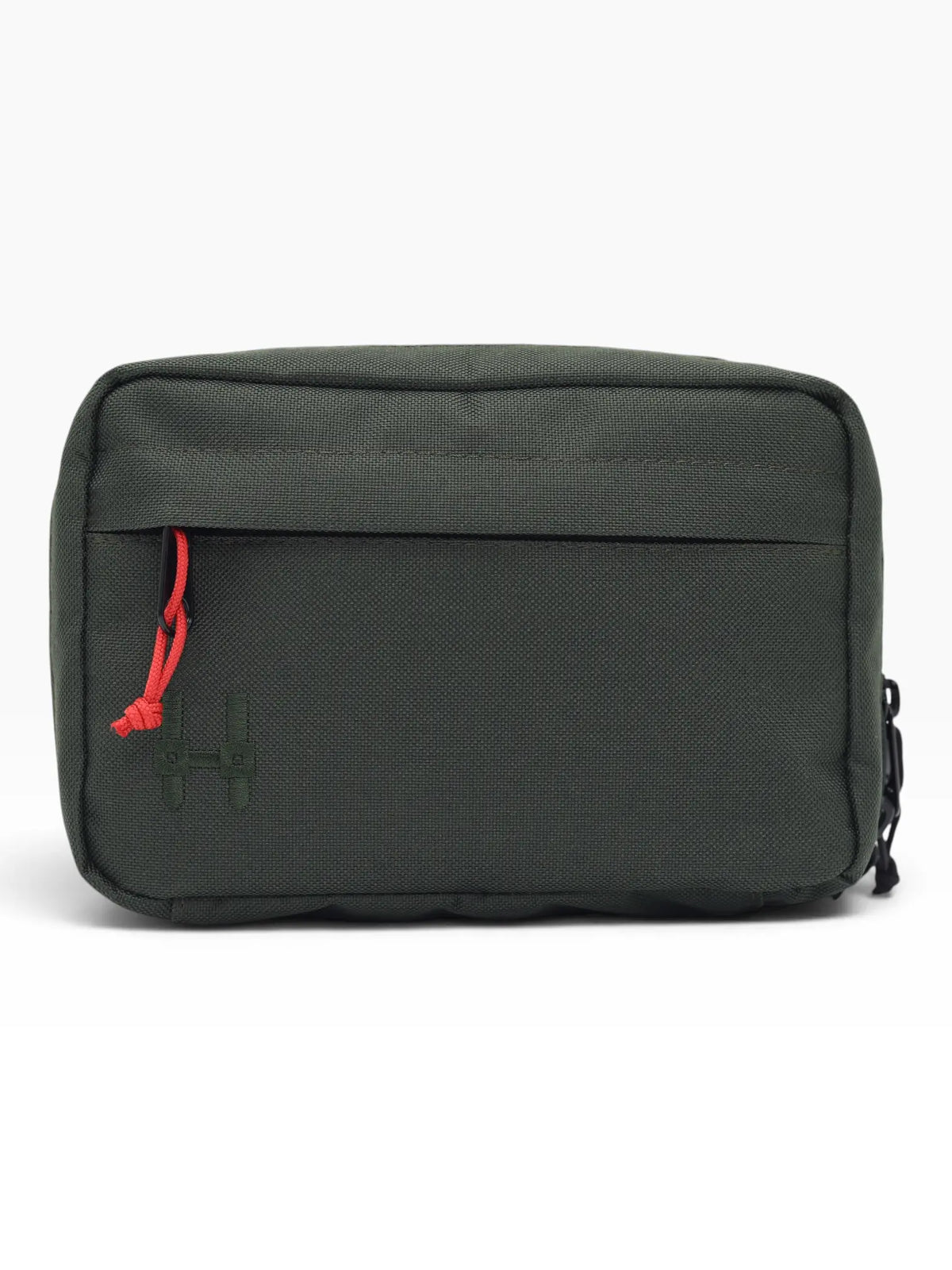






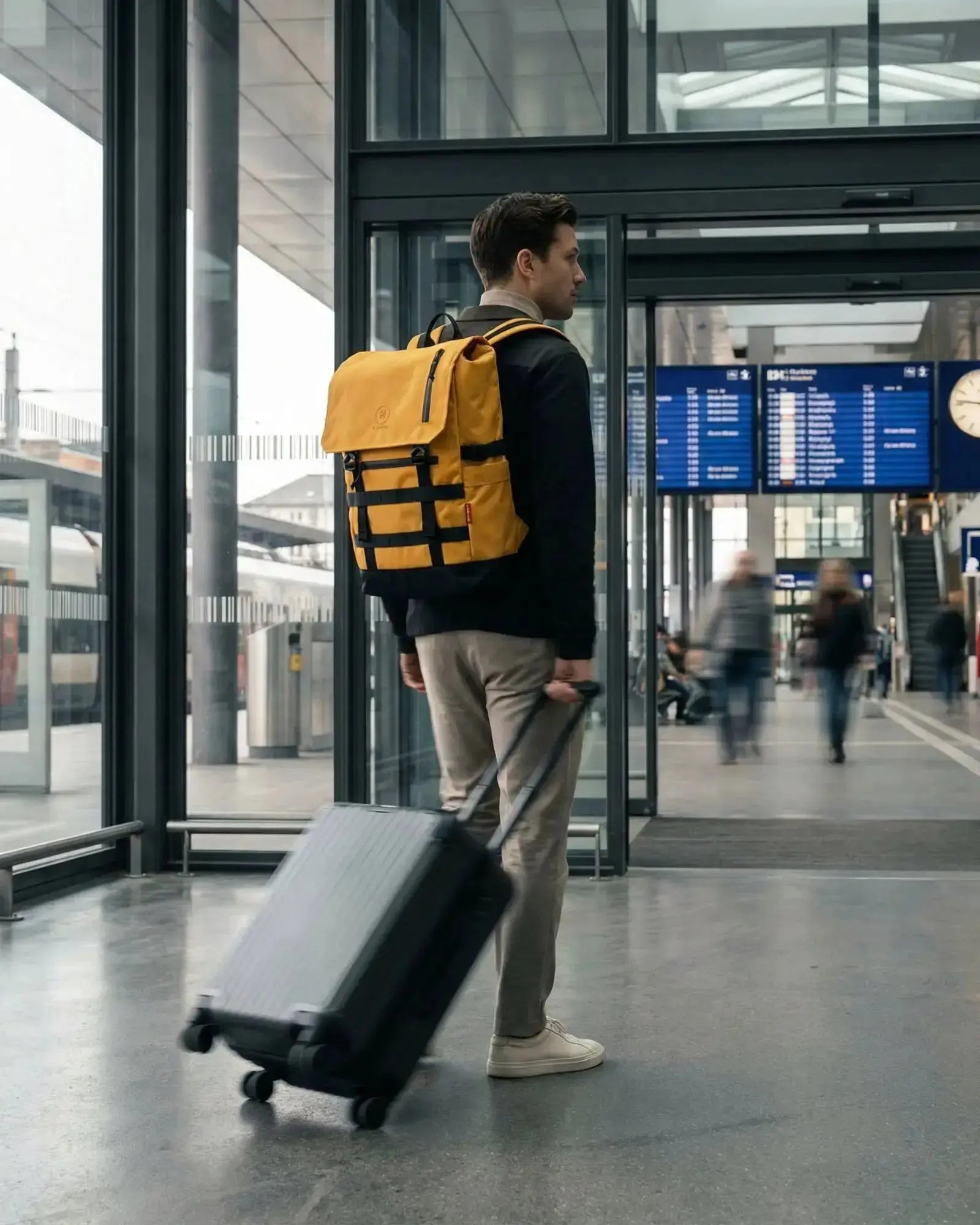

Choosing the right carry-on backpack today is not just about design or capacity. If you fly with both low-cost and traditional airlines, you mainly need to consider the dimensions. Every airline has different rules - and choosing the wrong backpack can cost you an unpleasant extra fee at the gate.
What is a carry-on backpack?
A carry-on backpack is a backpack you take with you onto the plane. Ideally, it fits:
- under the seat in front of you (personal item)
- or in the overhead compartment (cabin baggage)
The difference between these two categories is crucial - and every airline defines it slightly differently.
Personal item vs. cabin baggage
Most airlines today distinguish between:
- Personal item - smaller luggage free of charge
- Cabin baggage - larger luggage, often for an extra fee
A smaller backpack that meets the personal item limits is therefore ideal for short trips.
Backpack dimensions by airline (2026)
Ryanair
- Personal item: 40 × 20 × 25 cm
- Cabin baggage: 55 × 40 × 20 cm (for an extra fee)
Wizz Air
- Personal item: 40 × 30 × 20 cm
- Cabin baggage: 55 × 40 × 23 cm (WIZZ Priority)
easyJet
- Personal item: 45 × 36 × 20 cm
- Cabin baggage: 56 × 45 × 25 cm
Lufthansa
- Cabin baggage: 55 × 40 × 23 cm
- Additional smaller personal bag: 40 × 30 × 10 cm
Smartwings
- Cabin baggage: 55 × 40 × 23 cm
- Smaller personal bag depending on the fare
Dimensions may vary slightly depending on the fare - it is always worth checking them before your trip.
Which backpack will be accepted by most airlines
If you want a backpack that lets you avoid dealing with extra fees, look for dimensions of approximately:
- up to 45 × 30 × 20 cm
- a capacity of around 18–22 liters
Such a backpack usually meets the personal item requirements of most low-cost airlines.
Why a backpack is better than a suitcase
A carry-on backpack has several advantages over a suitcase:
- easier handling during transfers
- better use of space
- comfortable to carry around the city
- greater flexibility when dimensions are checked
A backpack often adapts to the available space better than a rigid suitcase.
What to look out for when choosing
- sturdy but not excessively robust construction
- the ability to compress or reduce the capacity
- a separate laptop compartment
- durable material that can handle travel
The ideal carry-on backpack for short trips
If you often fly for weekends or short business trips, it is worth investing in a backpack that:
- is accepted as a personal item
- can handle weekend packing
- you can also use after landing in the city
City and travel backpacks with a capacity of around 20 liters are designed precisely for this kind of use.
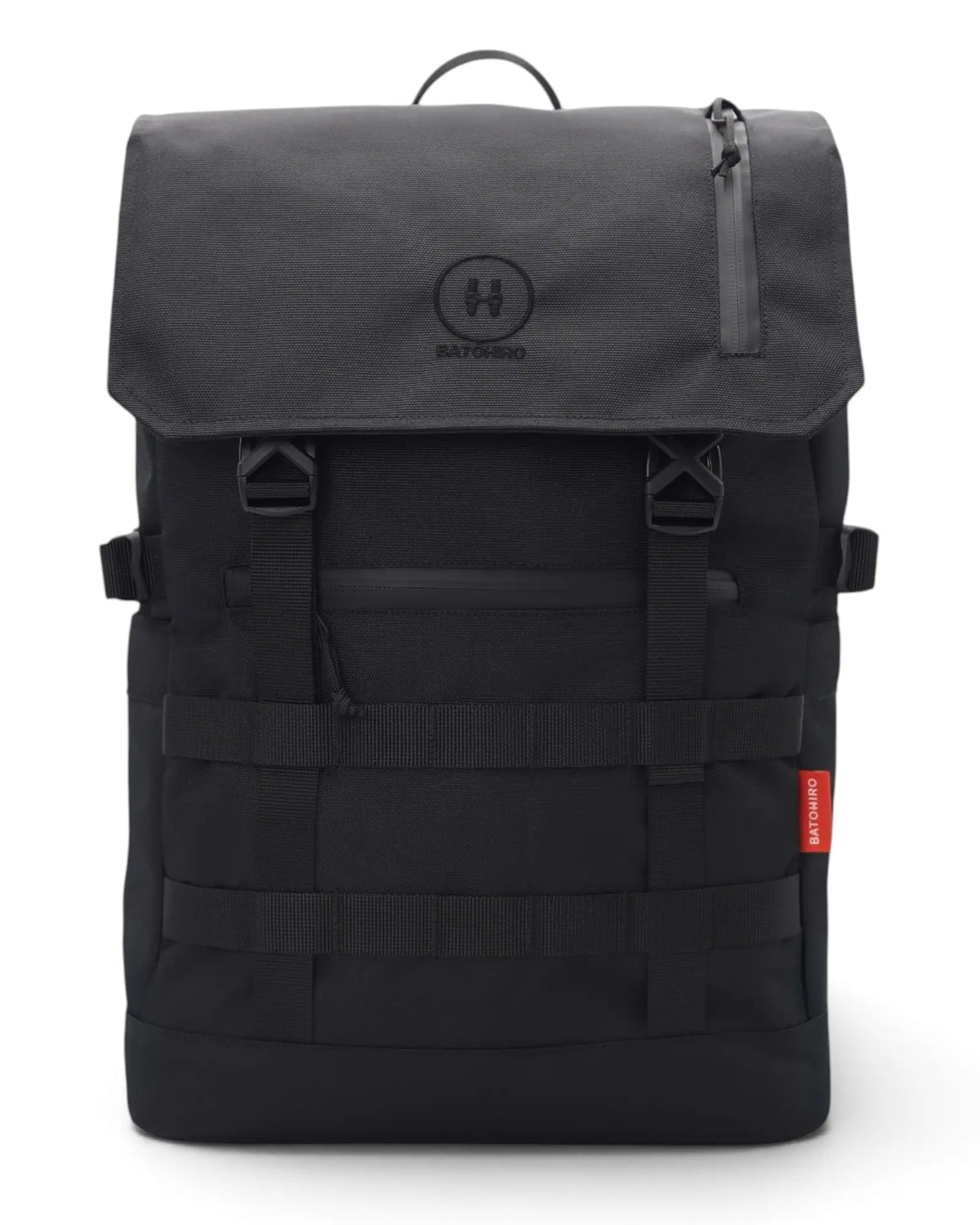
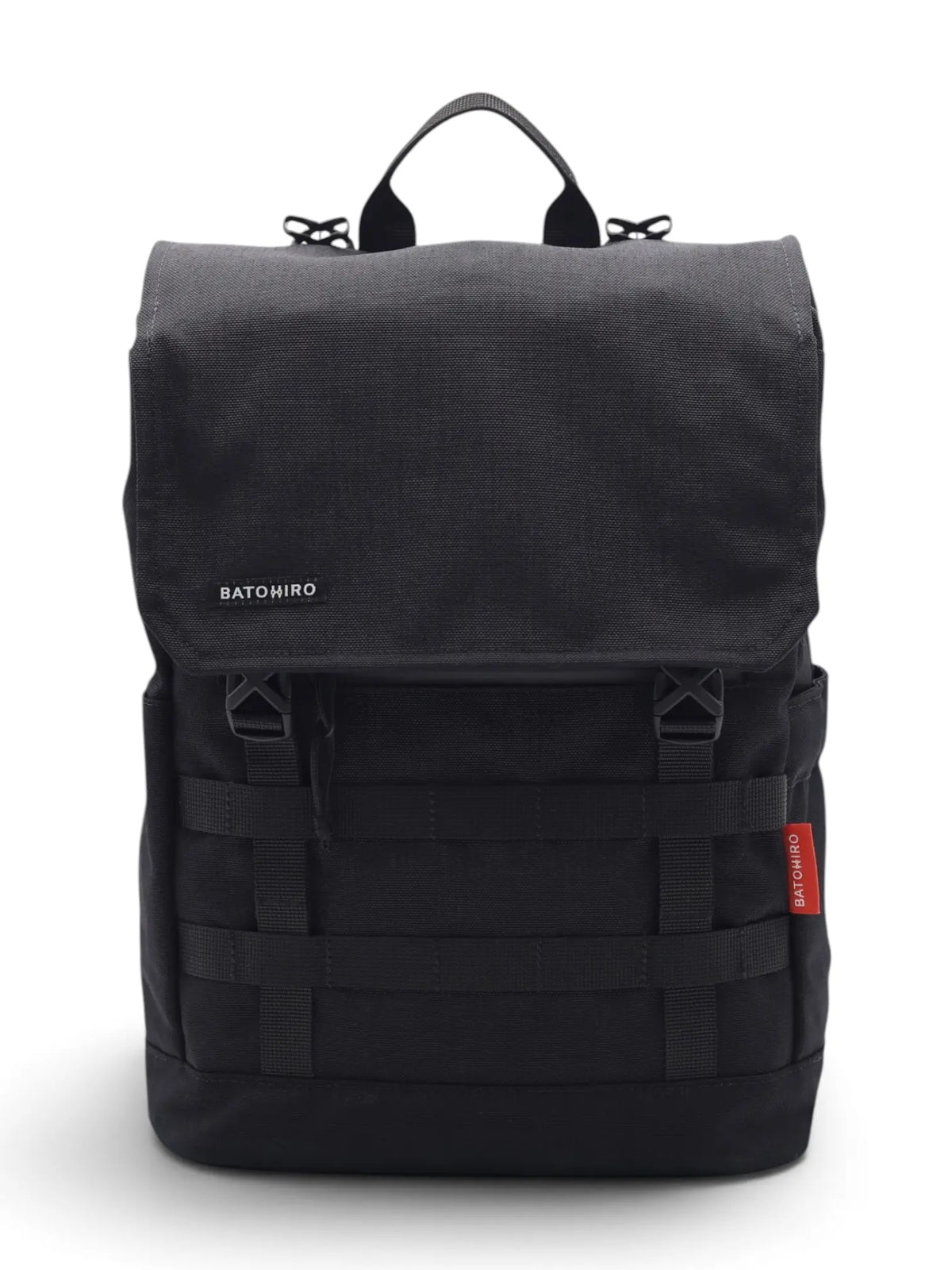
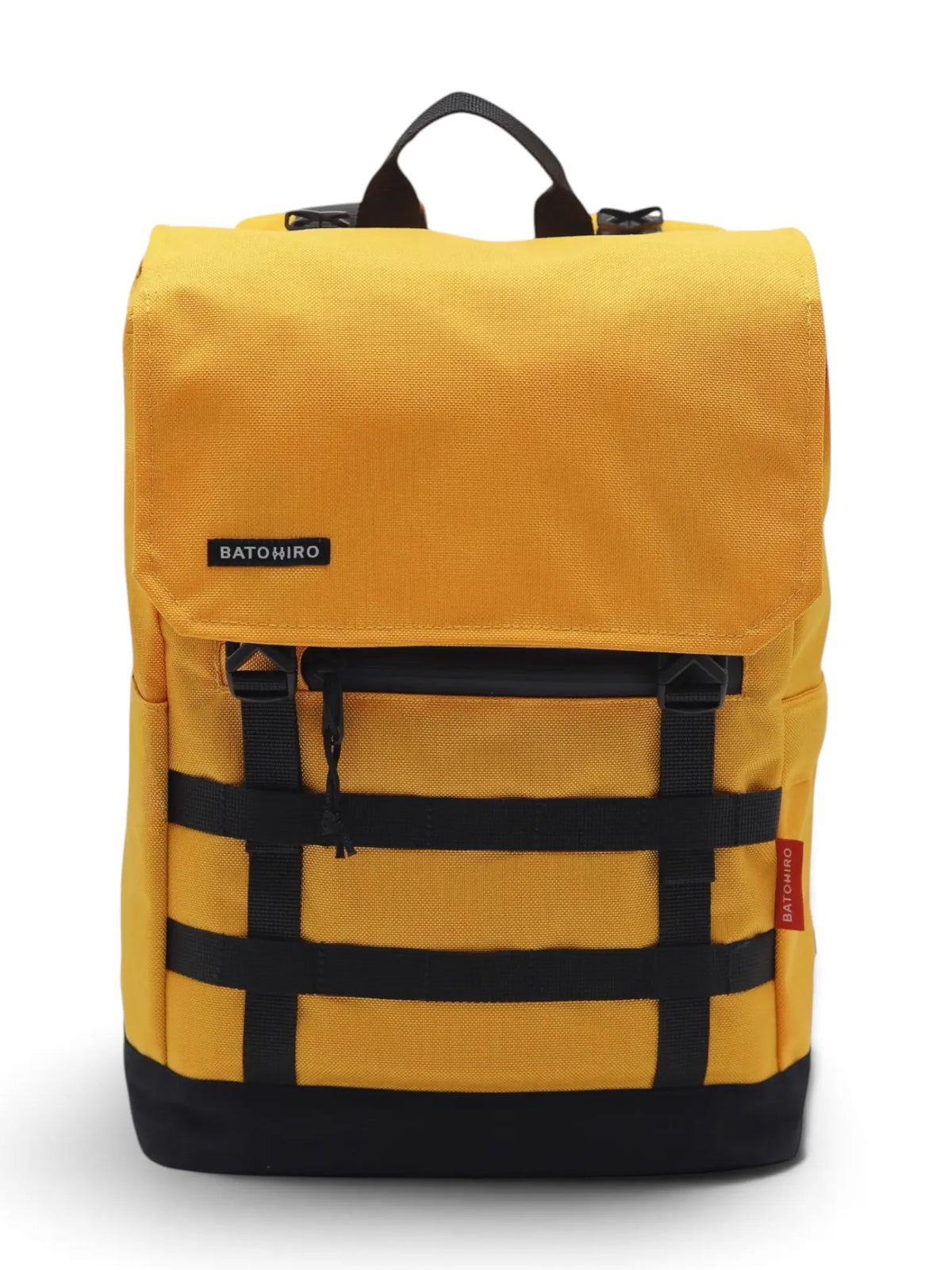
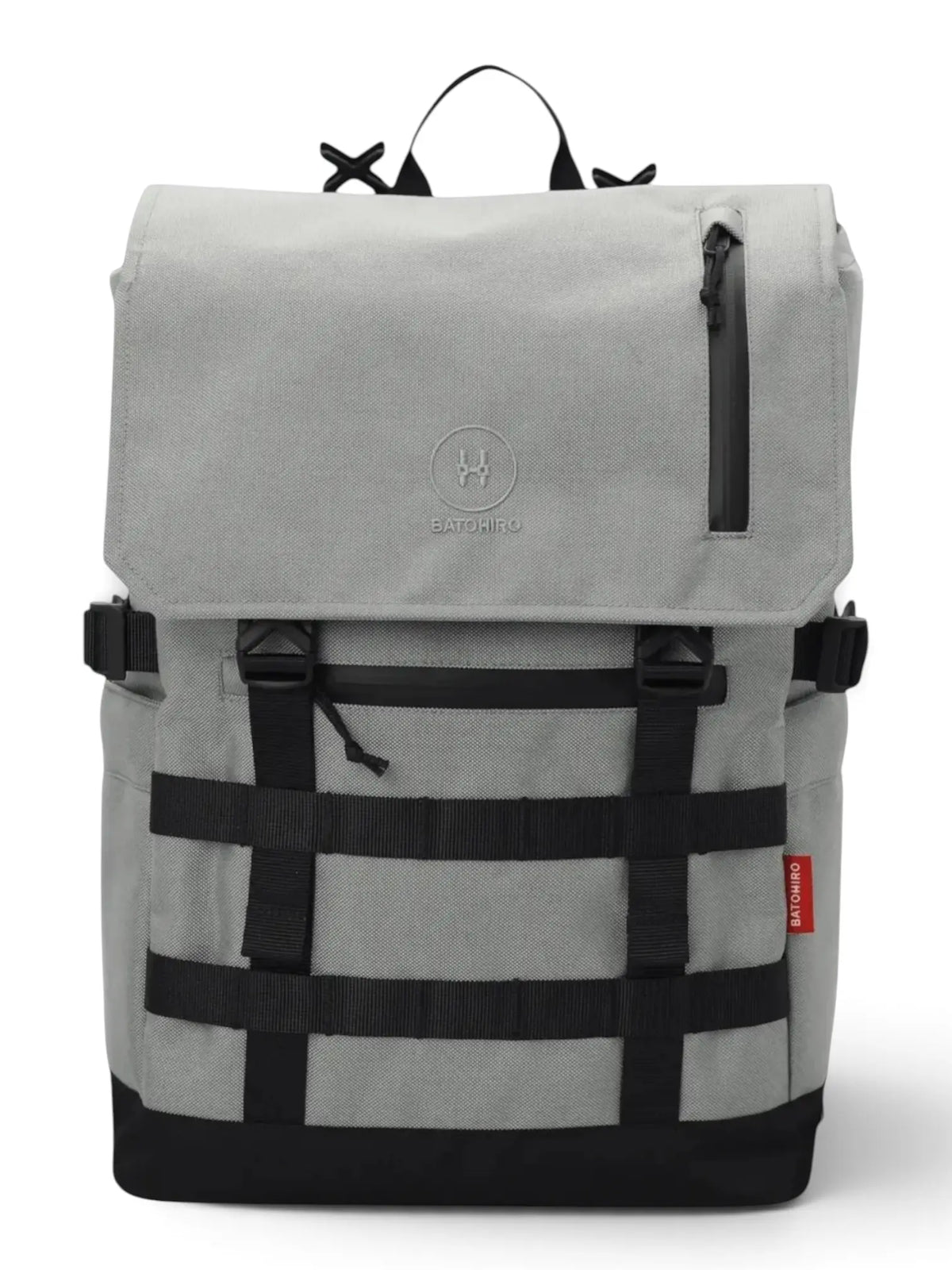
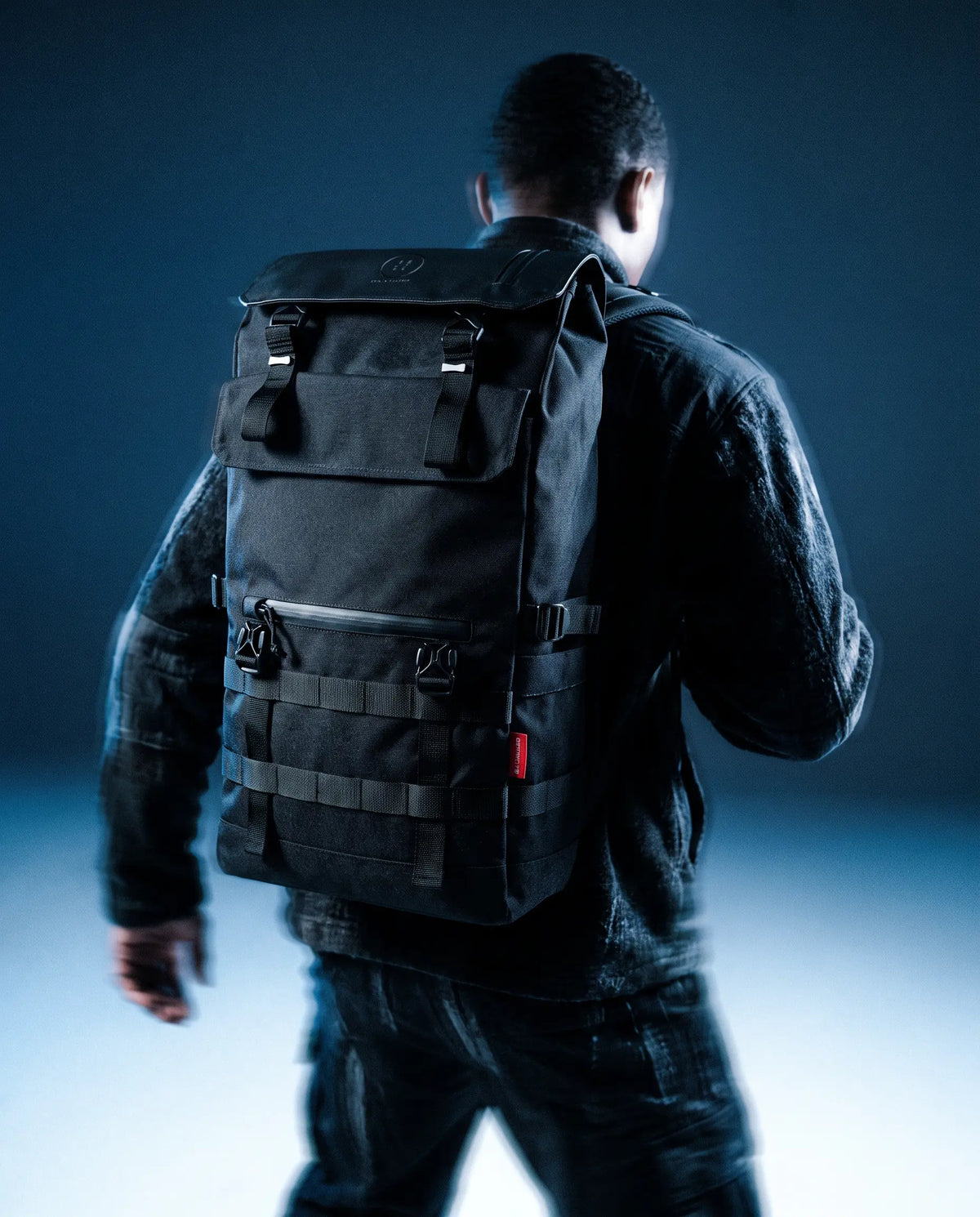
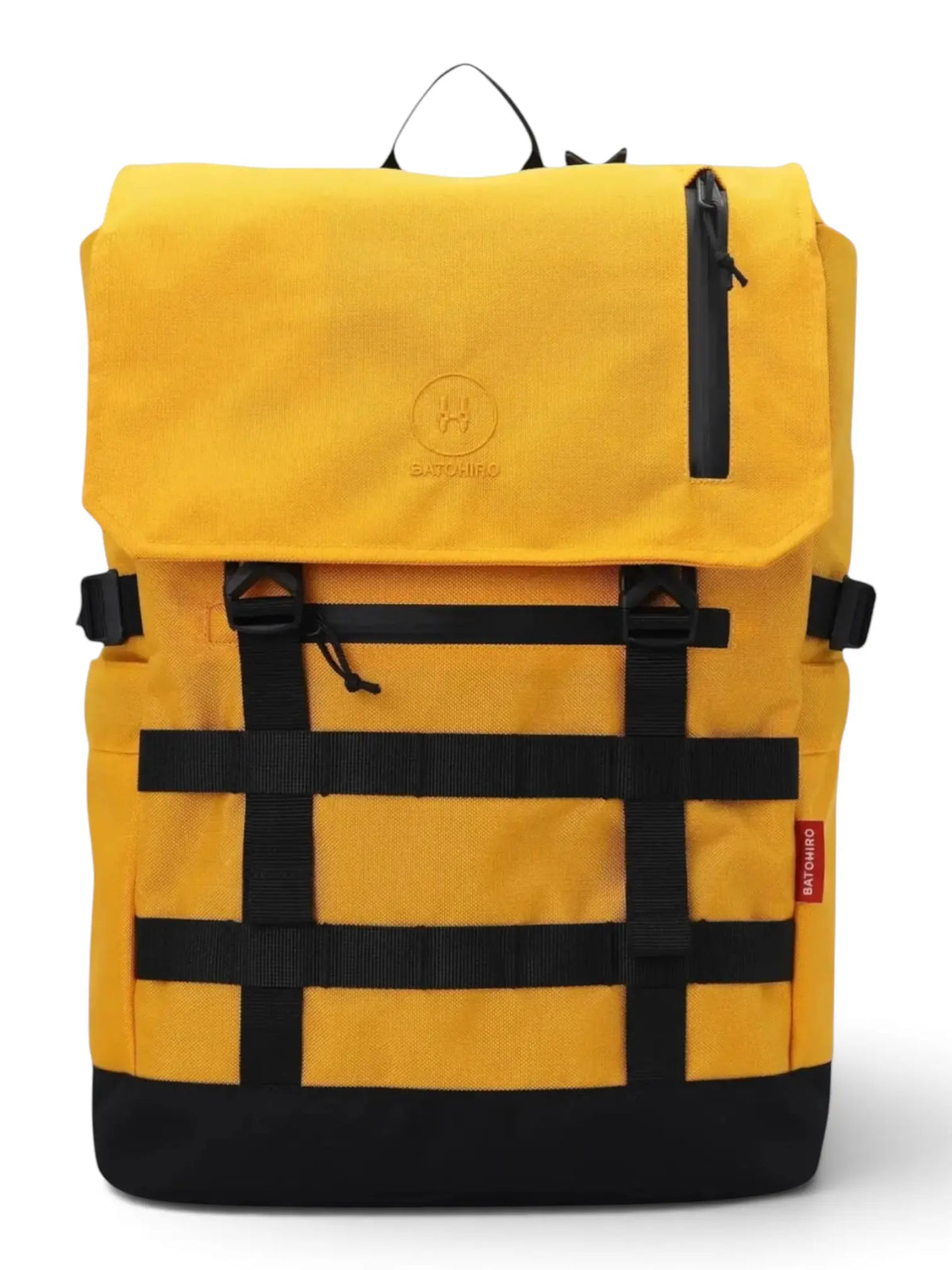
Minato Lite - a backpack suitable as both carry-on and personal item