


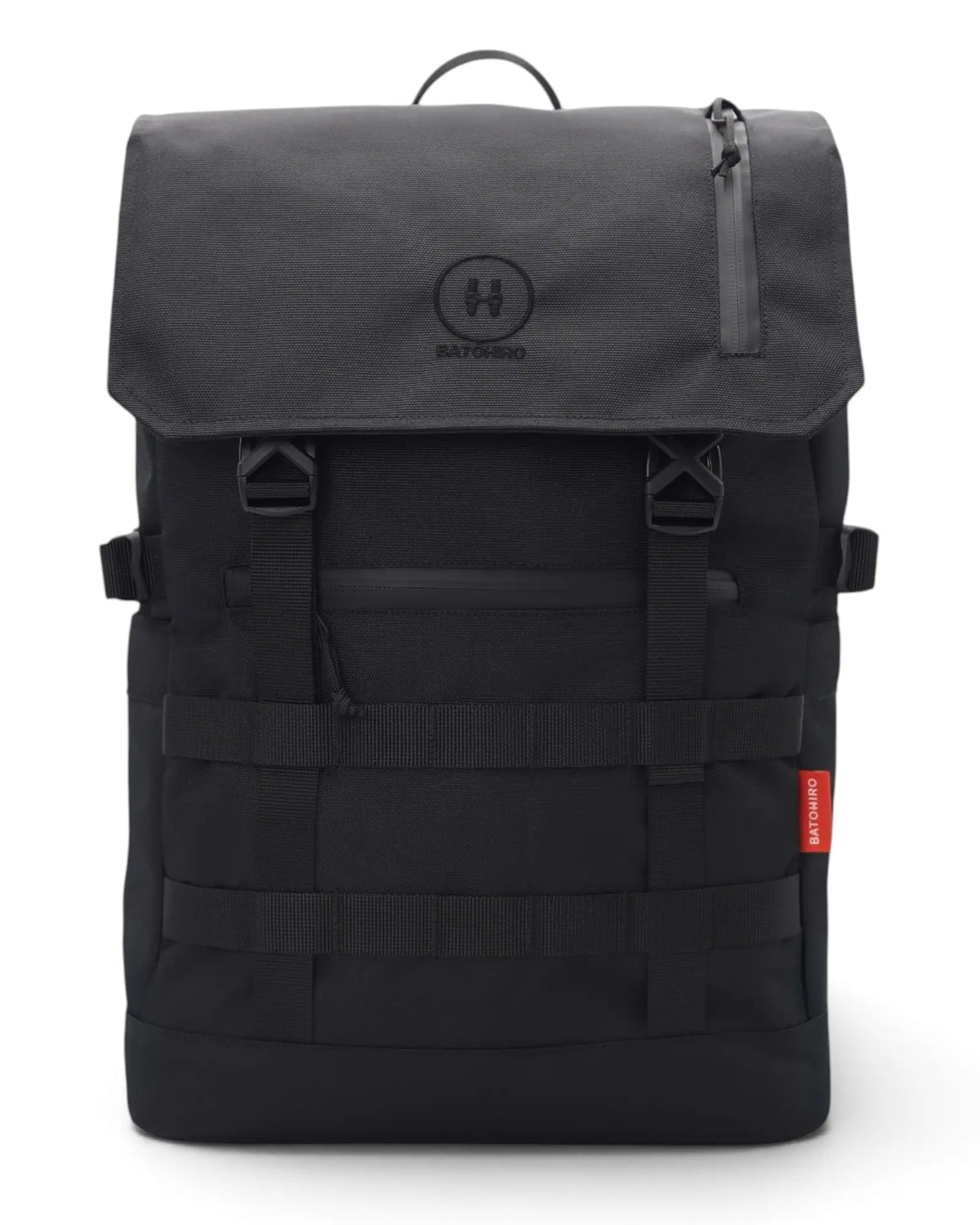
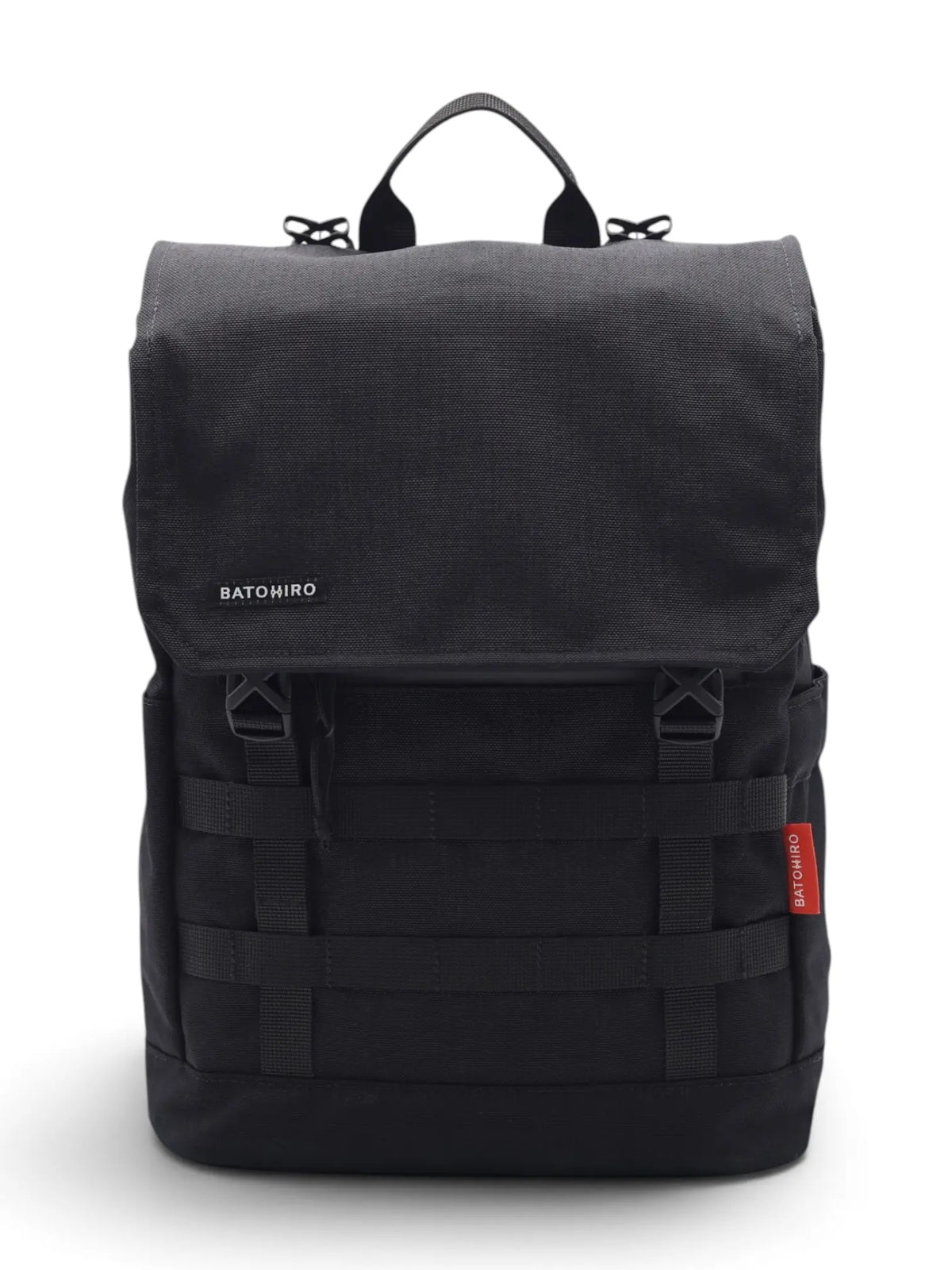
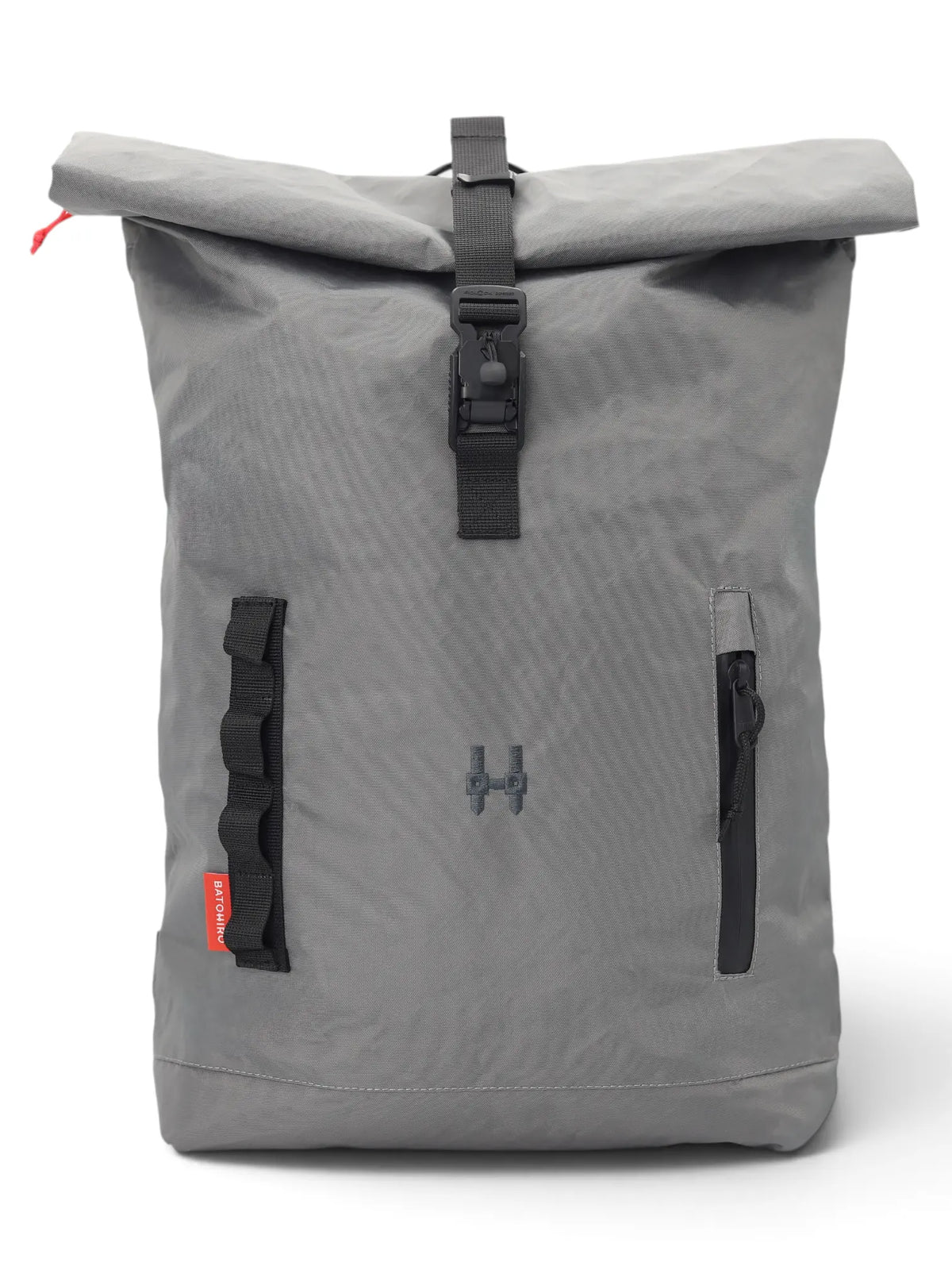
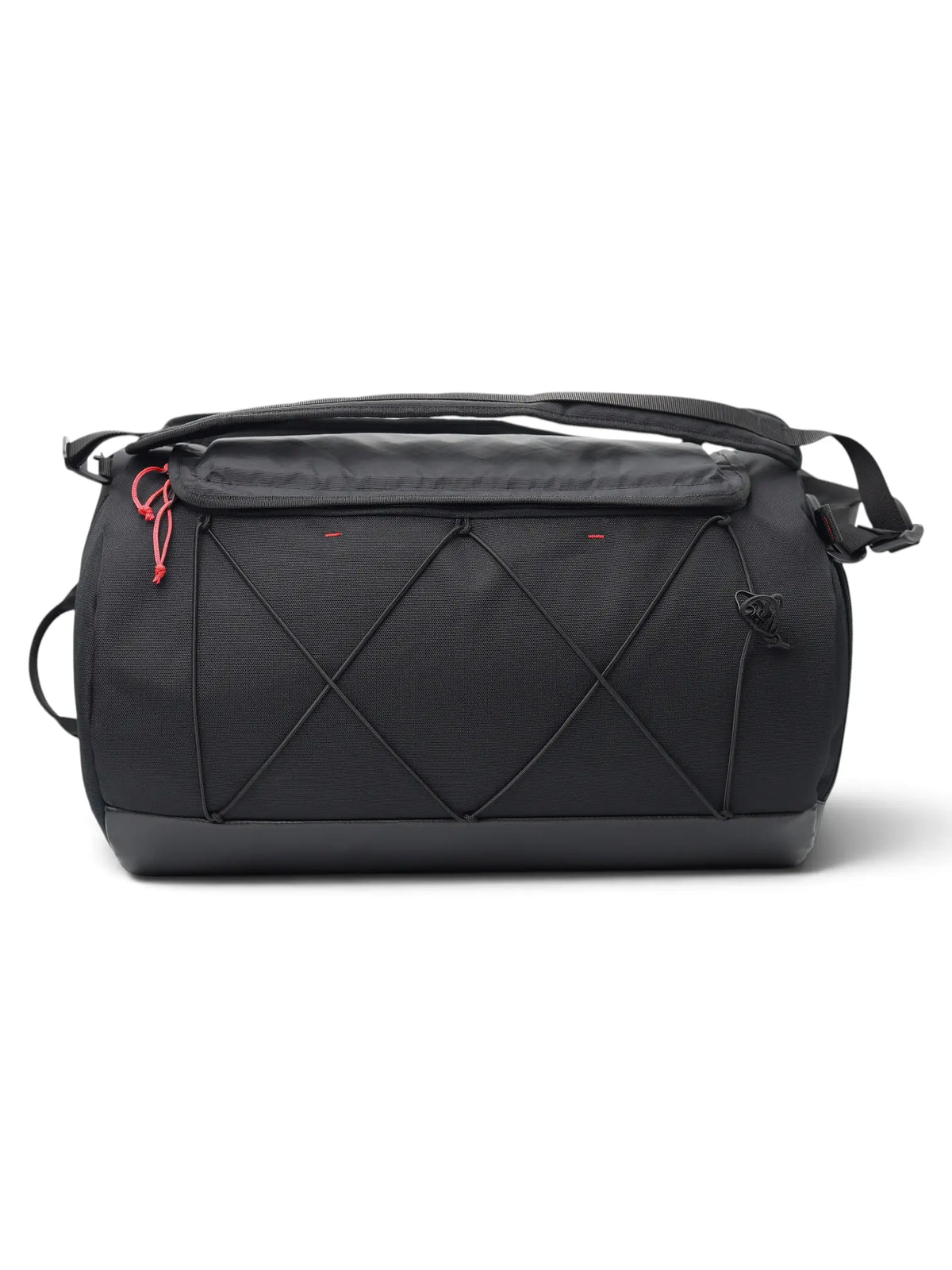
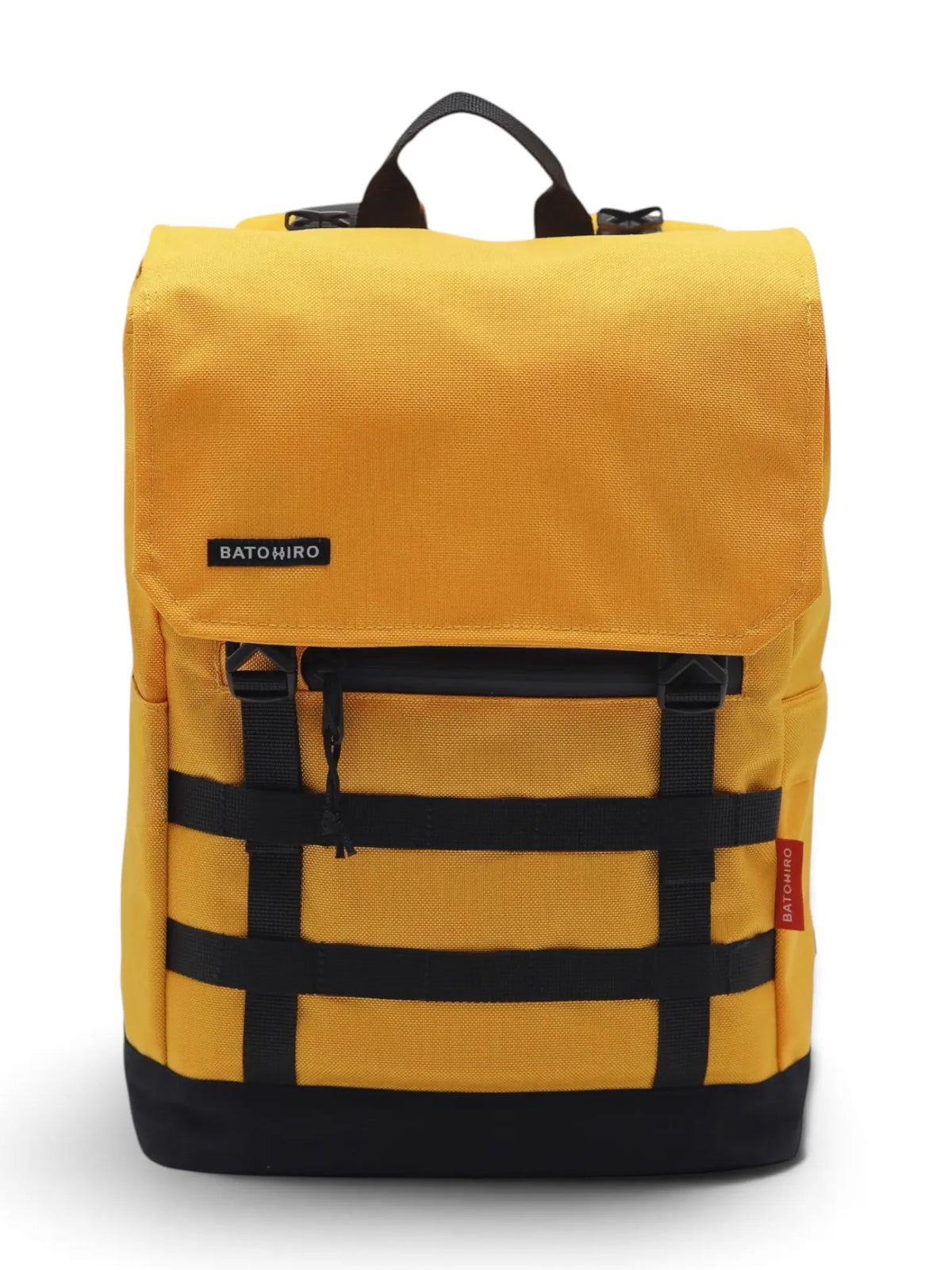
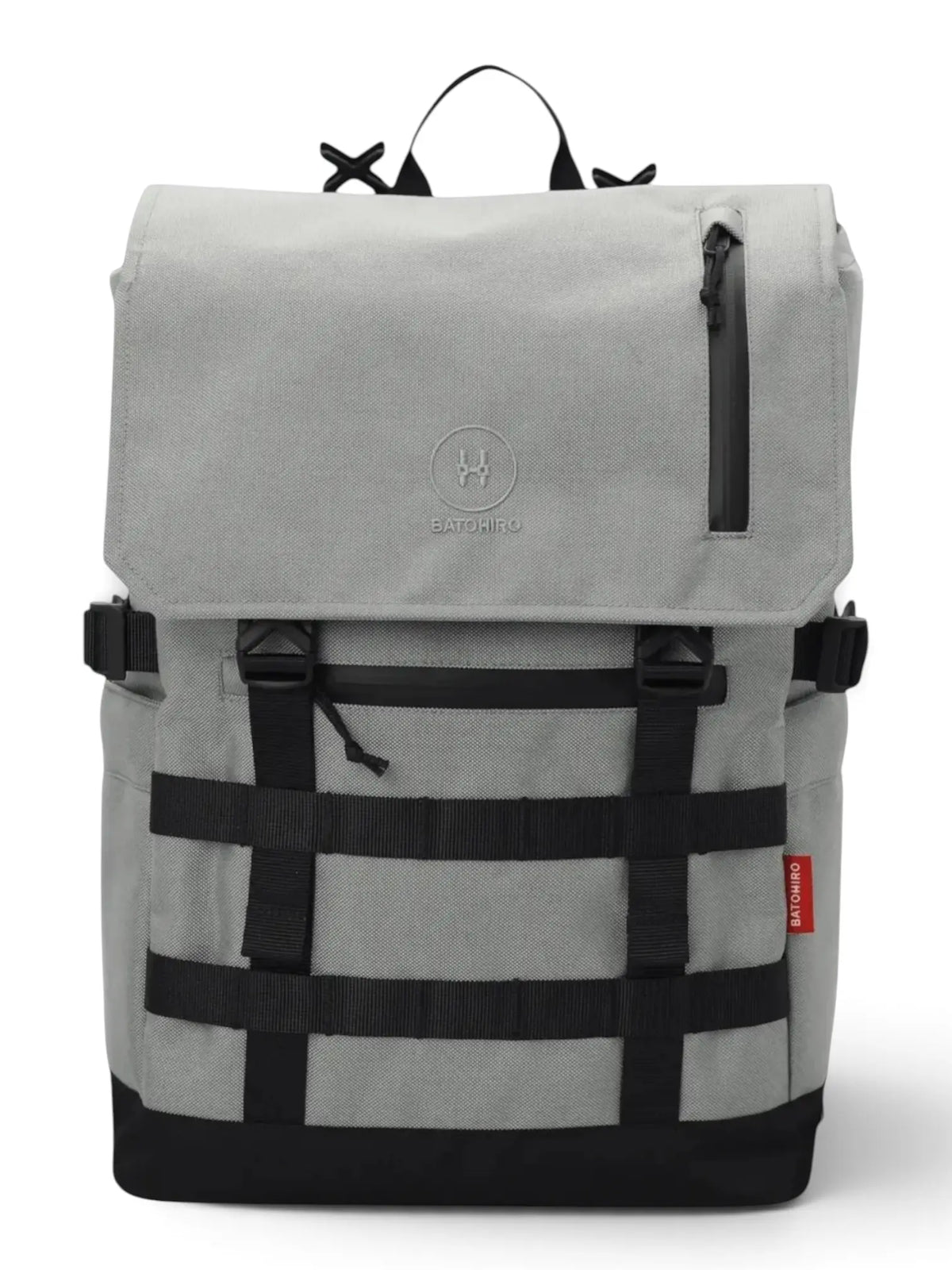
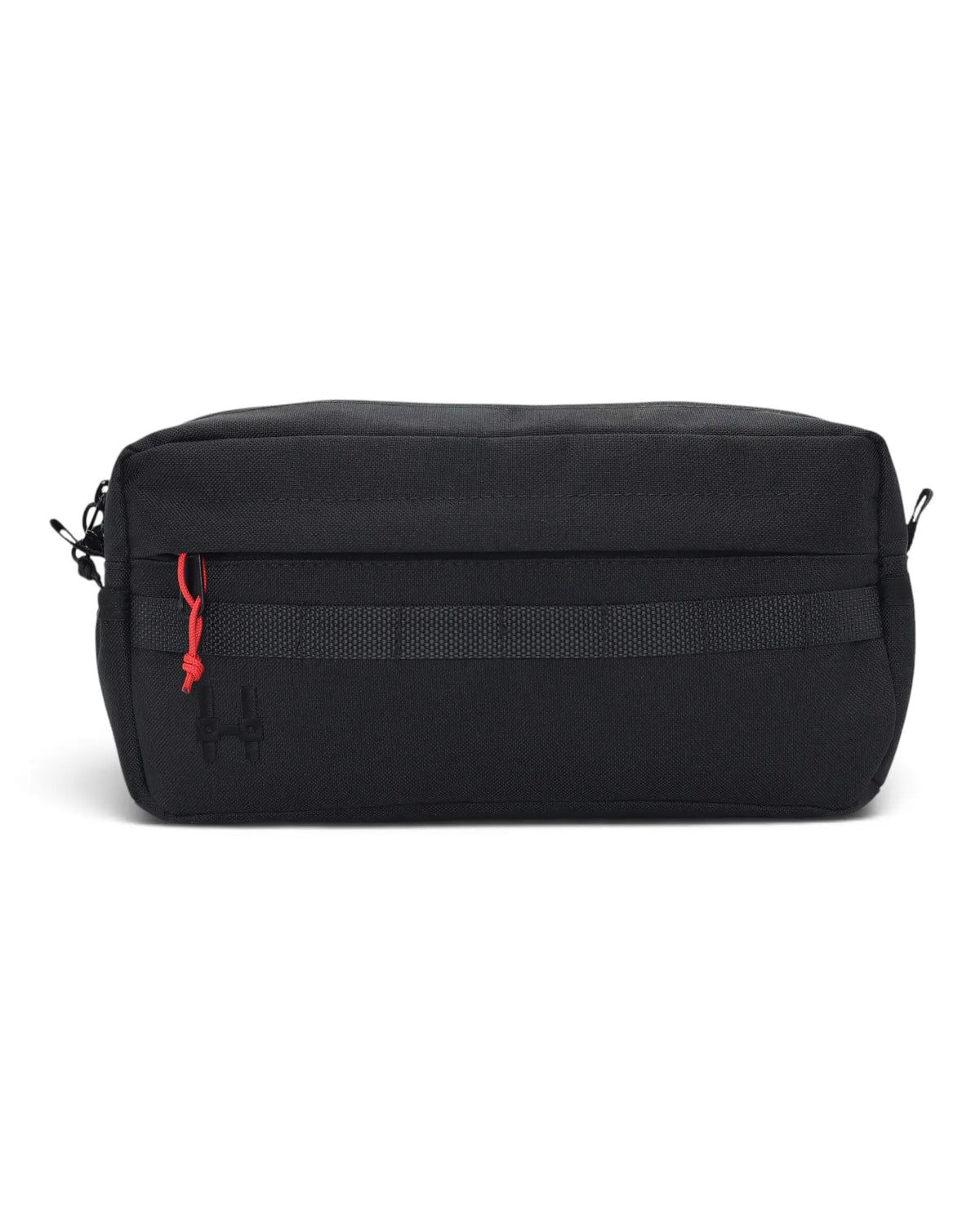
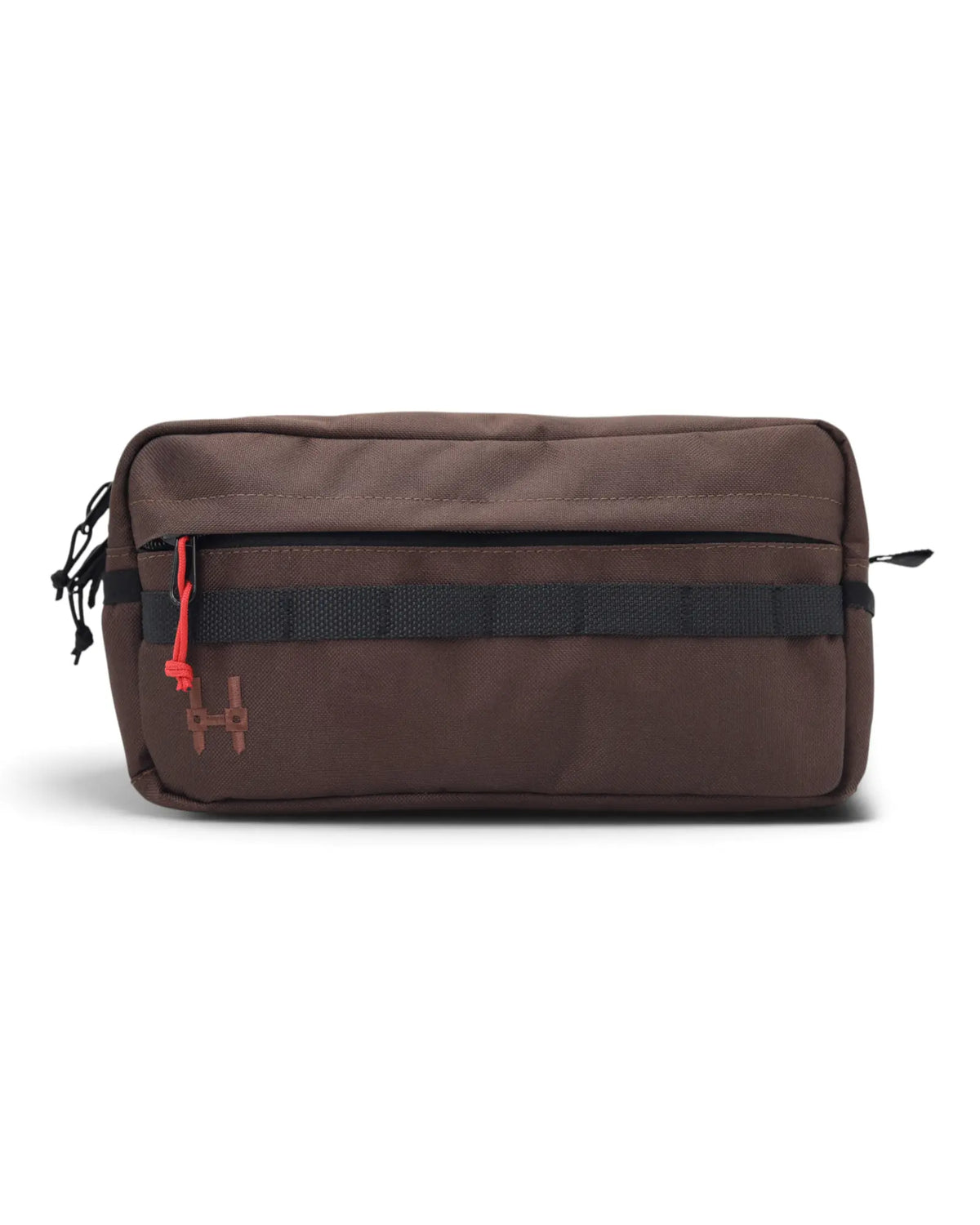




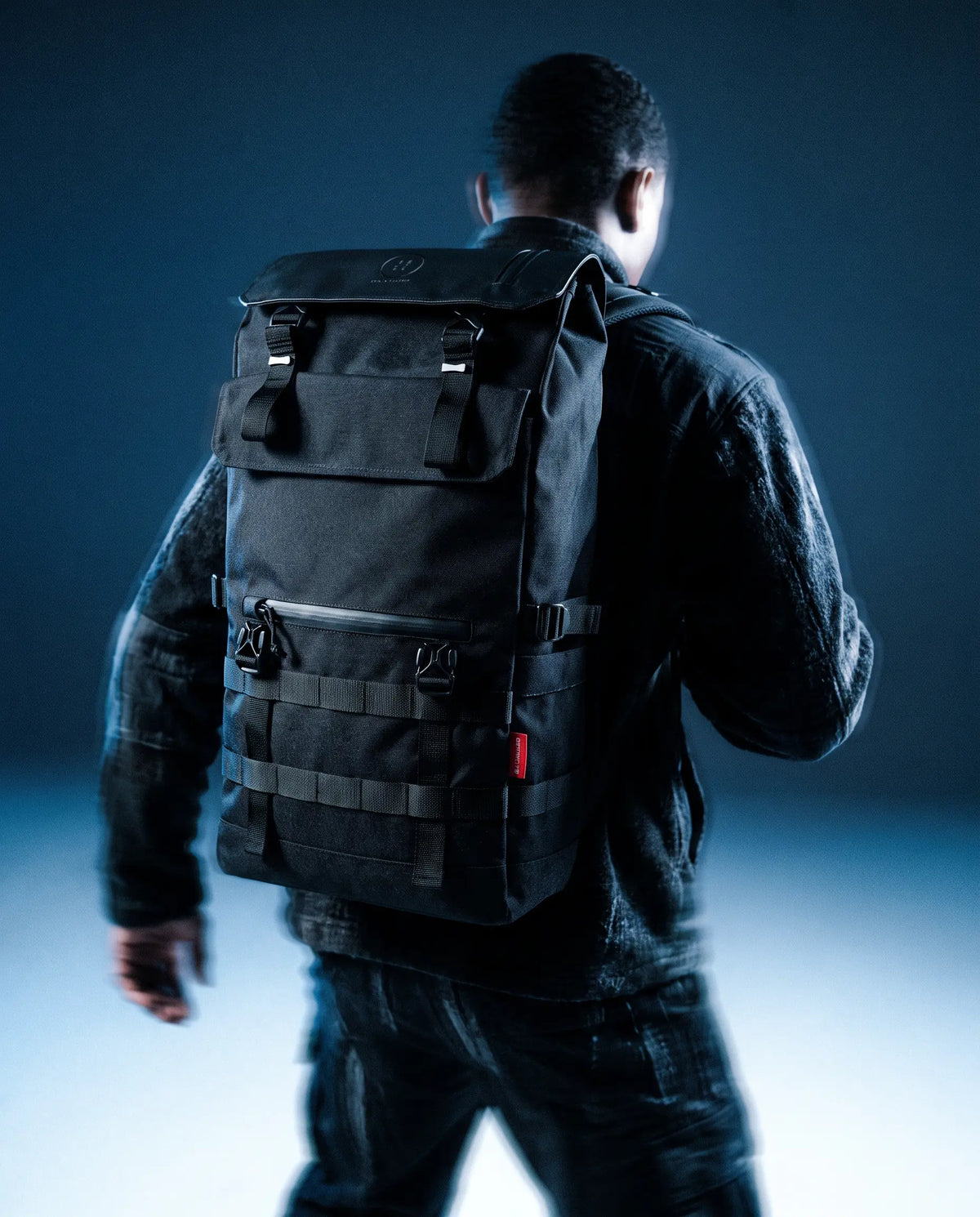
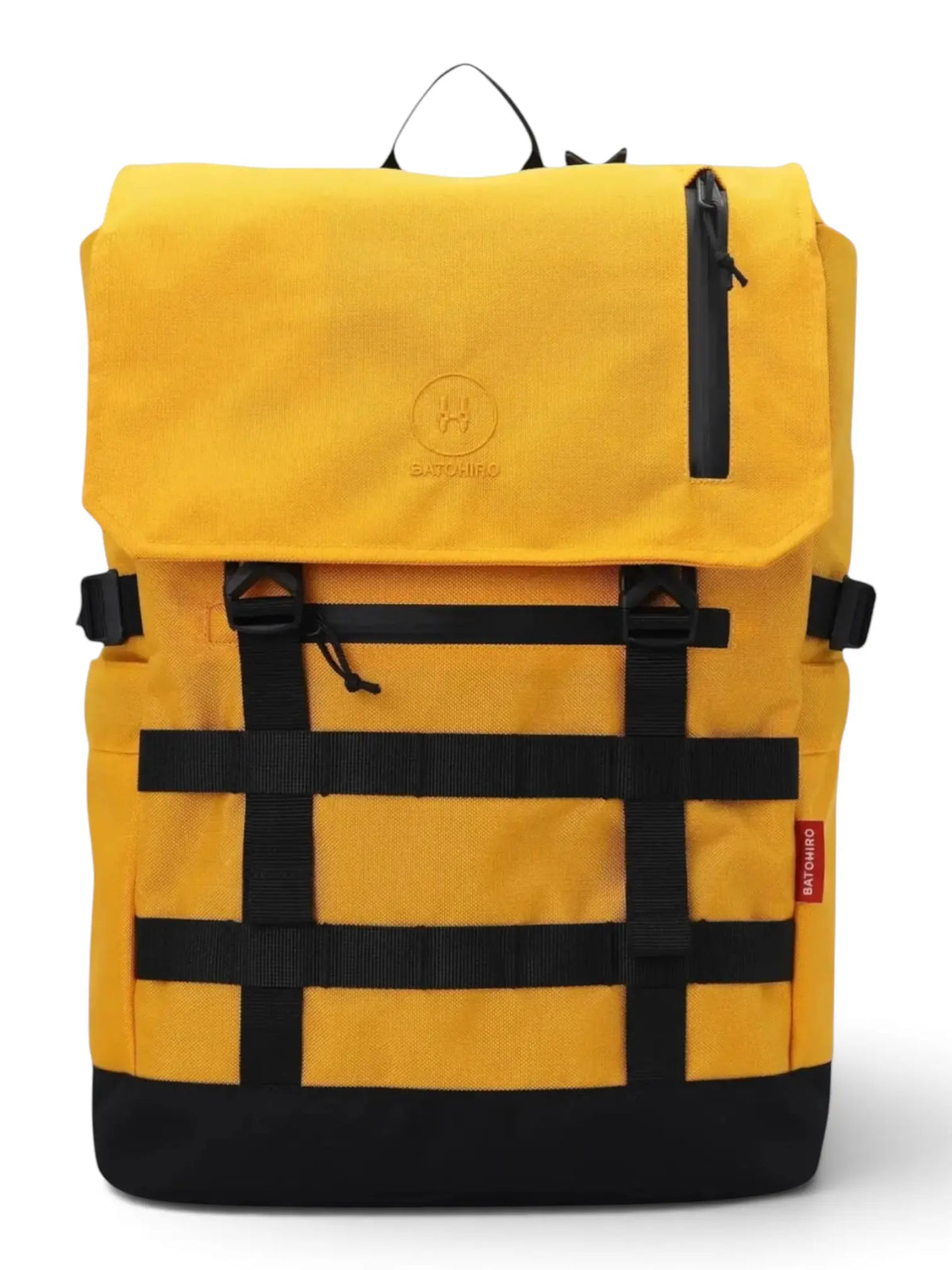
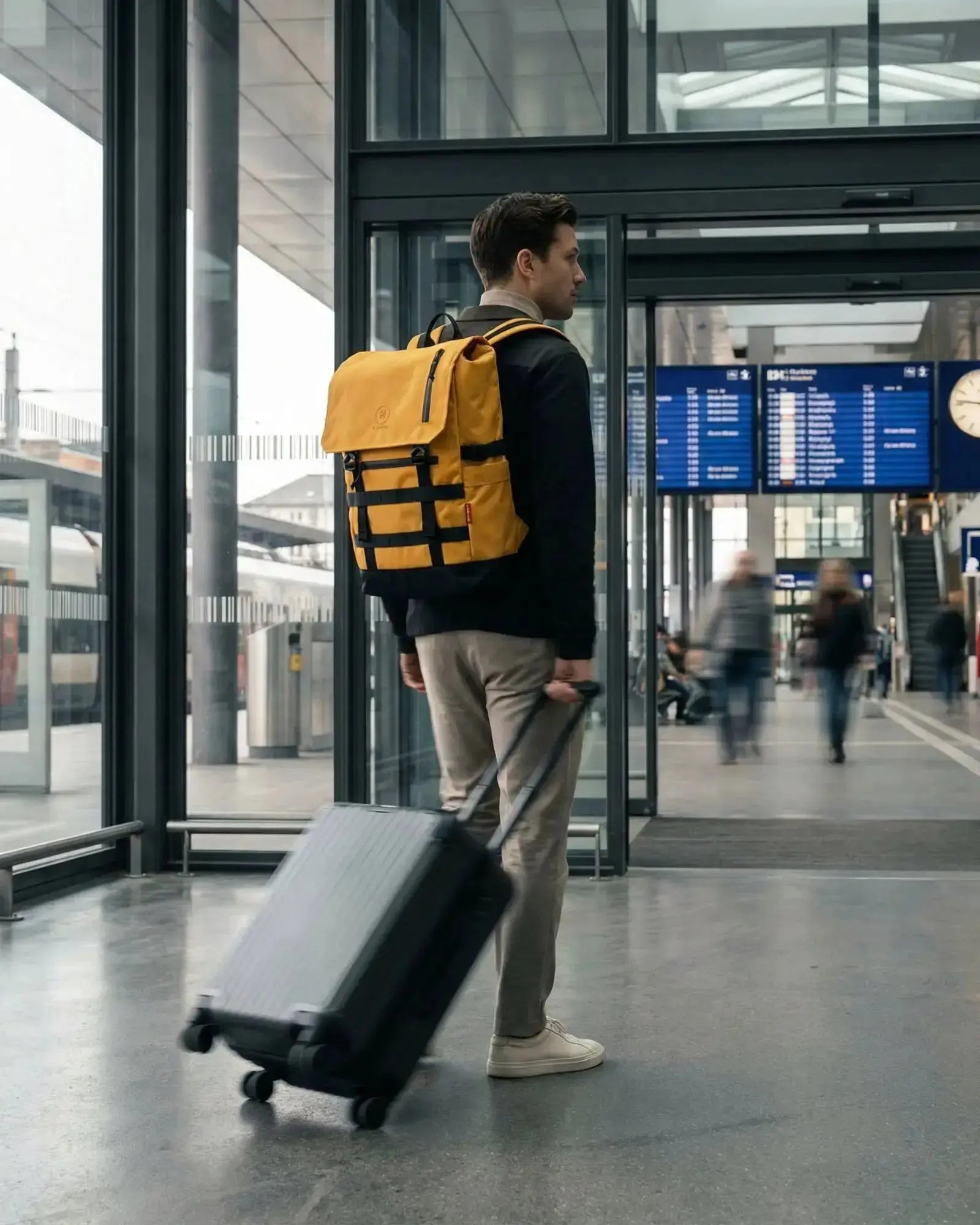
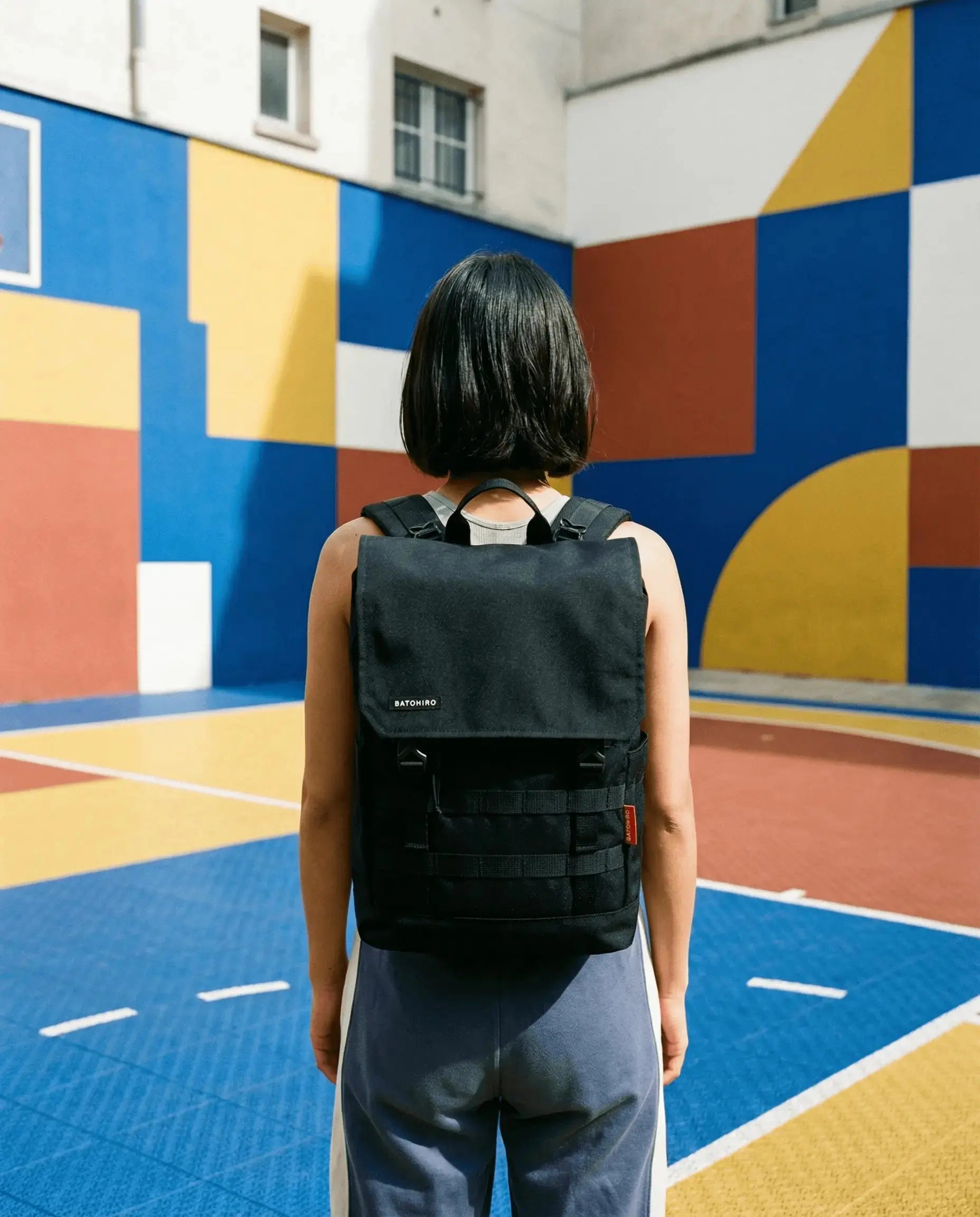
A city backpack has long been more than just a practical bag for your back. In 2026, it has become an everyday tool that must handle work, leisure, getting around the city, and short trips. But how can you recognize a truly good urban backpack? And what should you look for to make sure your backpack lasts for years, not just one season?
What “urban backpack” means today
A city backpack has to meet different requirements than a hiking or sports model. You move around with it between the office, café, public transport, and city streets. That is why the combination of functionality, durability, and clean design is essential.
A good urban backpack should:
- look good in an urban environment
- fit both work and personal belongings
- protect electronics
- be comfortable for everyday carrying
1. Size and capacity: how many liters are ideal?
In 2026, a capacity of 18–25 liters has become established as ideal for a city backpack. This capacity:
- fits a laptop, charger, and personal belongings
- is neither unnecessarily large nor mostly empty
- also works for shorter trips or a weekend in the city
Smaller backpacks can be limiting, while larger ones tend to look unnecessarily bulky in an urban environment.
2. Material matters more than design
Design catches your eye at first glance, but the material determines how long the backpack will last. In urban use, a backpack takes a lot of wear – friction against public transport seats, contact with concrete, rain, and everyday handling.
In 2026, the following make the most sense:
- technical fabrics with high abrasion resistance
- materials with a water-repellent finish
- strong, shape-retaining fabrics
Cheap textiles may look good, but they quickly lose their shape and functionality.
3. Electronics protection is essential
A laptop, tablet, headphones, or power bank are now part of everyday carry. An urban backpack must offer:
- a separate laptop compartment
- padding to protect against impacts
- separation of electronics from other belongings
Quick access is also important – your backpack should not force you to take everything out whenever you need your laptop.
4. Comfort for everyday carrying
You may wear your backpack for several hours a day. That is why ergonomics are essential:
- padded shoulder straps
- a breathable back panel
- balanced weight distribution
A poorly designed backpack will quickly make itself felt through back or shoulder pain.
5. Organization: less is sometimes more
The trend in 2026 is simple, clear organization. Too many pockets often lead only to clutter. An ideal city backpack offers:
- a main compartment
- several useful internal pockets
- an easily accessible external pocket
The goal is to keep your belongings organized, not to worry about which pocket everything belongs in.
6. A style that will not date
An urban backpack should work today and five years from now. Minimalist design, neutral colors, and clean lines do not go out of style and are easy to combine with different outfits.
Instead of following bold trends, it makes sense to choose a timeless look.
How to choose an urban backpack that will last for years
When choosing, ask yourself above all:
- How often will I use it?
- What things will I carry every day?
- Will the material withstand normal urban use?
- Does investing in quality make sense for me?
A city backpack as an everyday tool
A good urban backpack is not a fashion accessory for one season. It is a companion that makes every day easier – whether you are going to work, a meeting, or simply across the city.
If you are looking for a backpack that meets these principles, you can take a look at a model designed specifically for urban use:
Roku Durable Pro – a city backpack designed for everyday use