


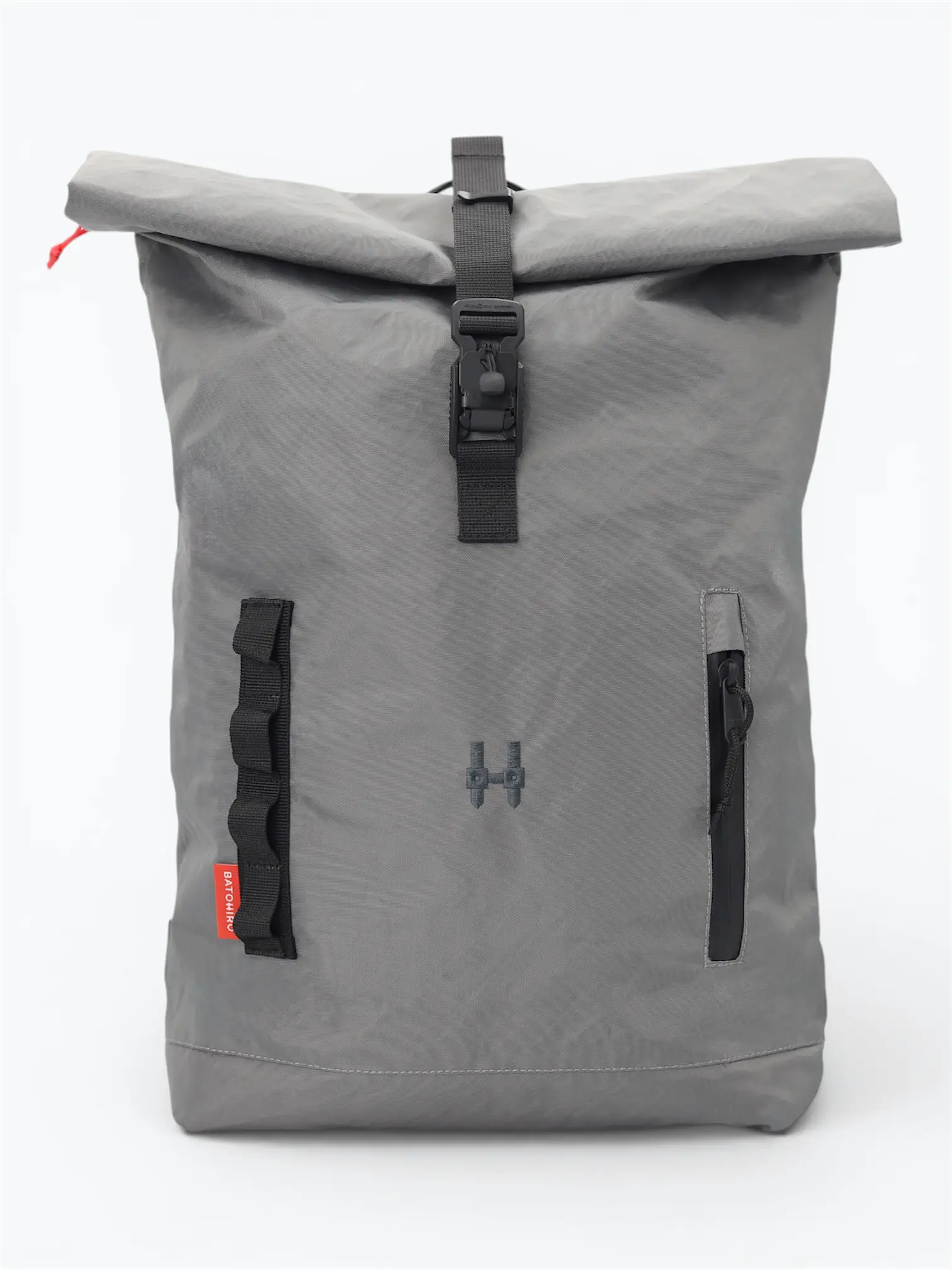
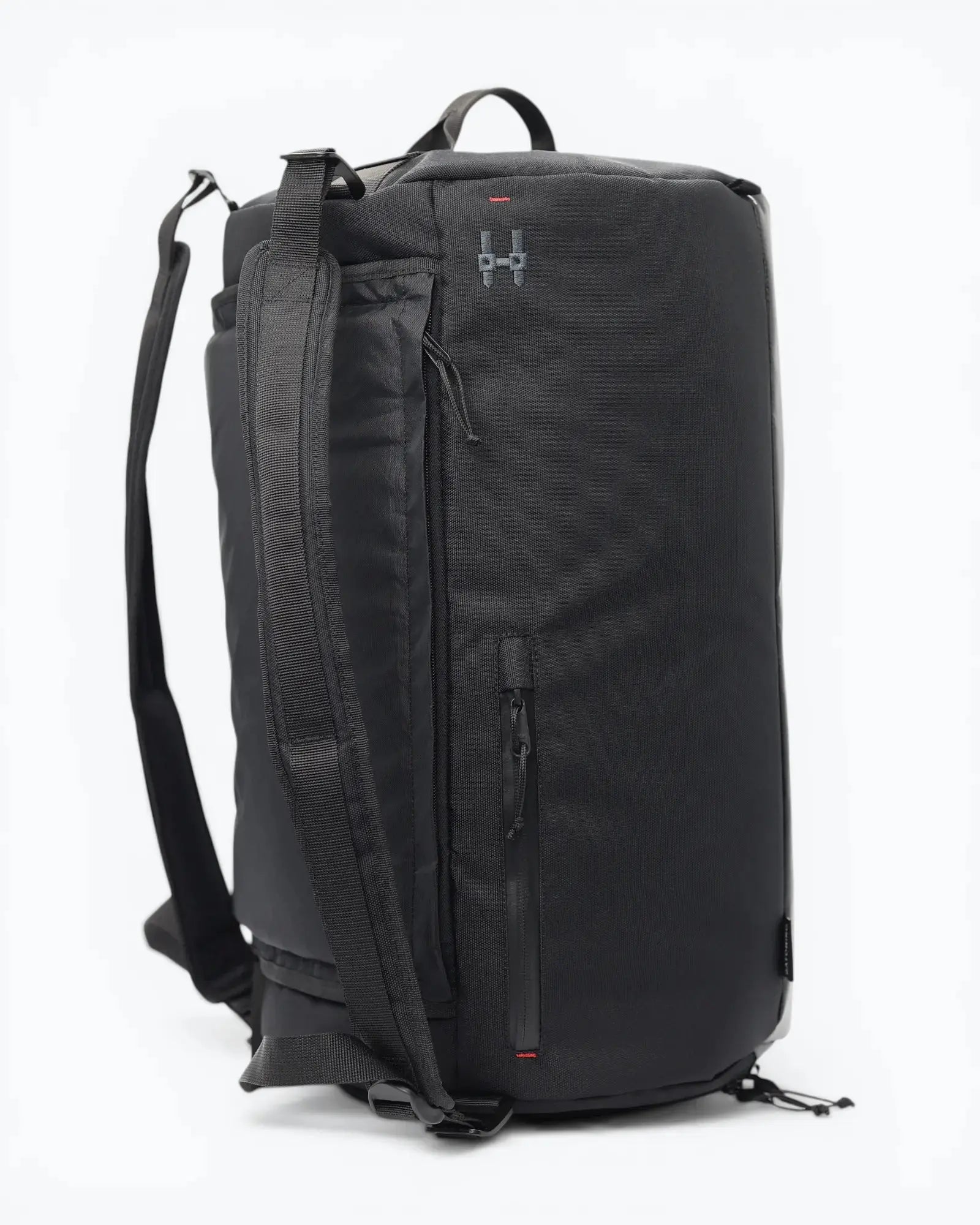


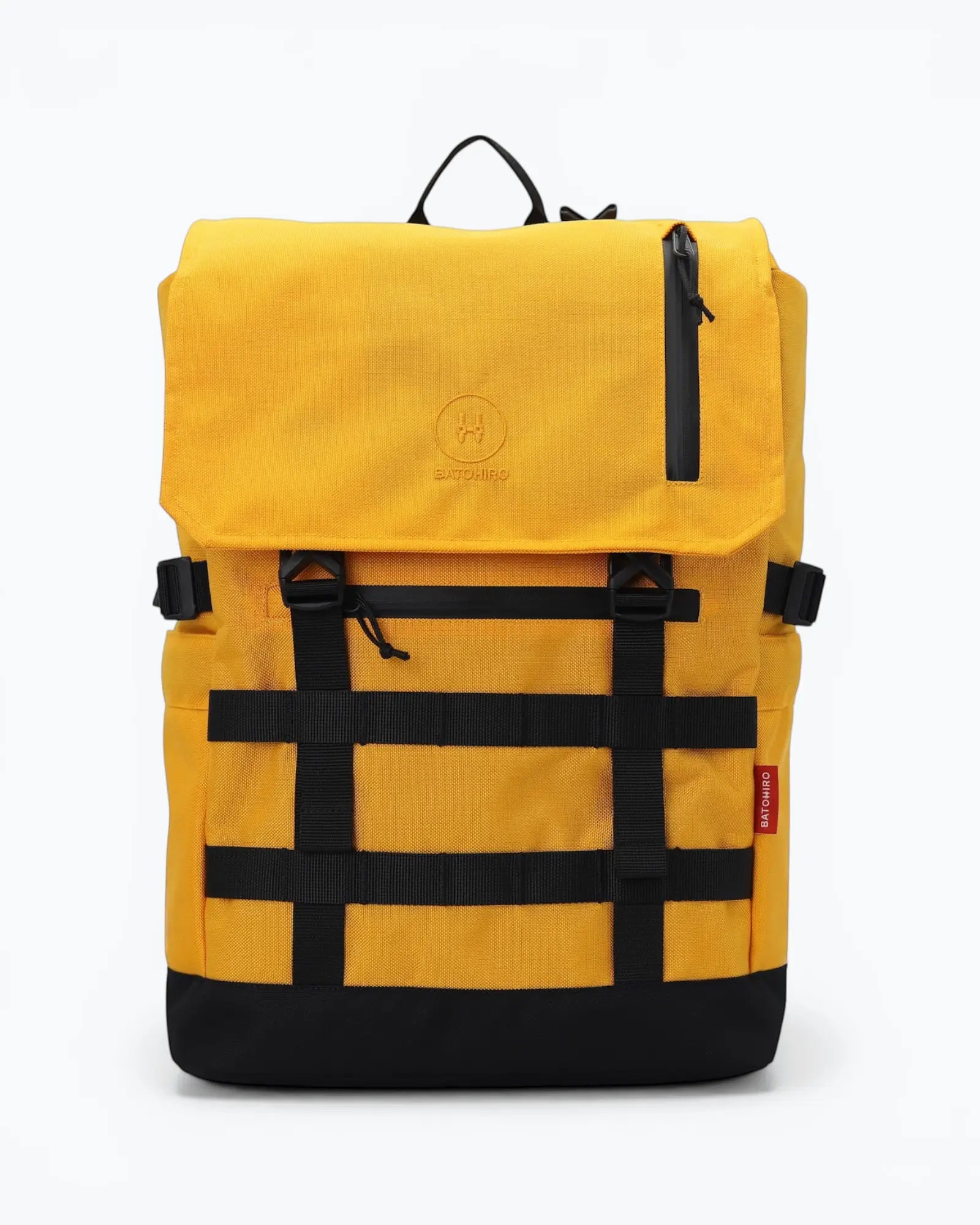
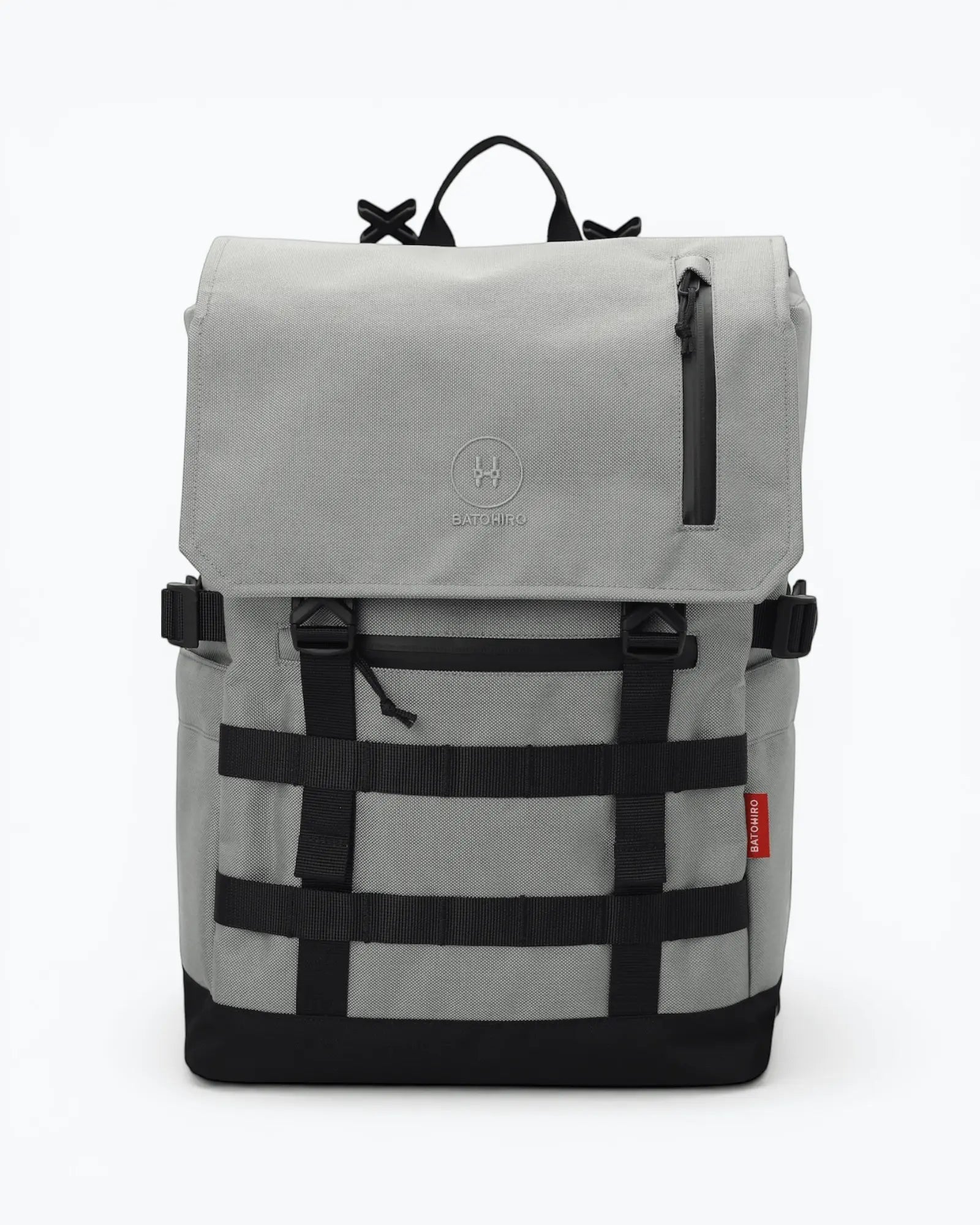
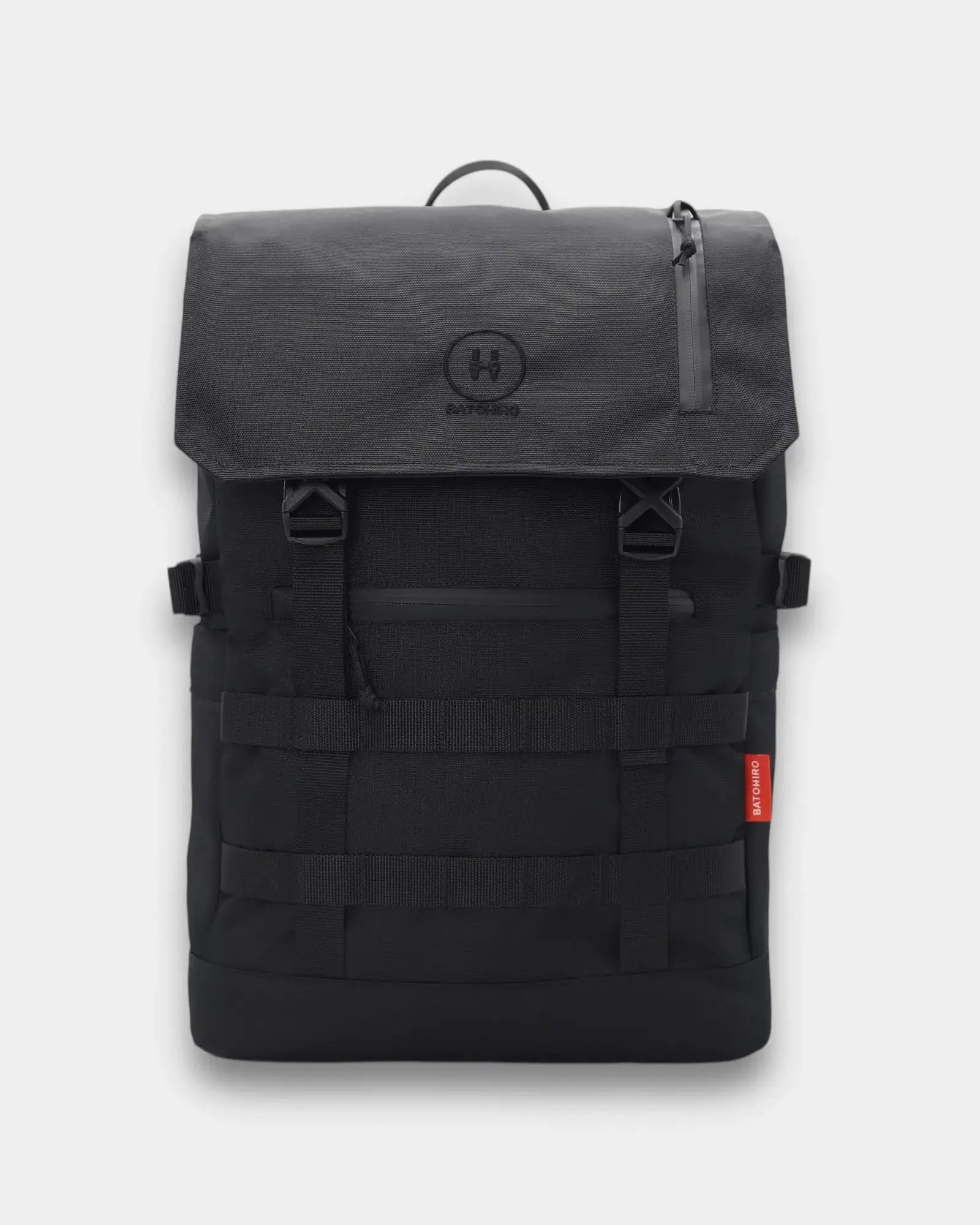
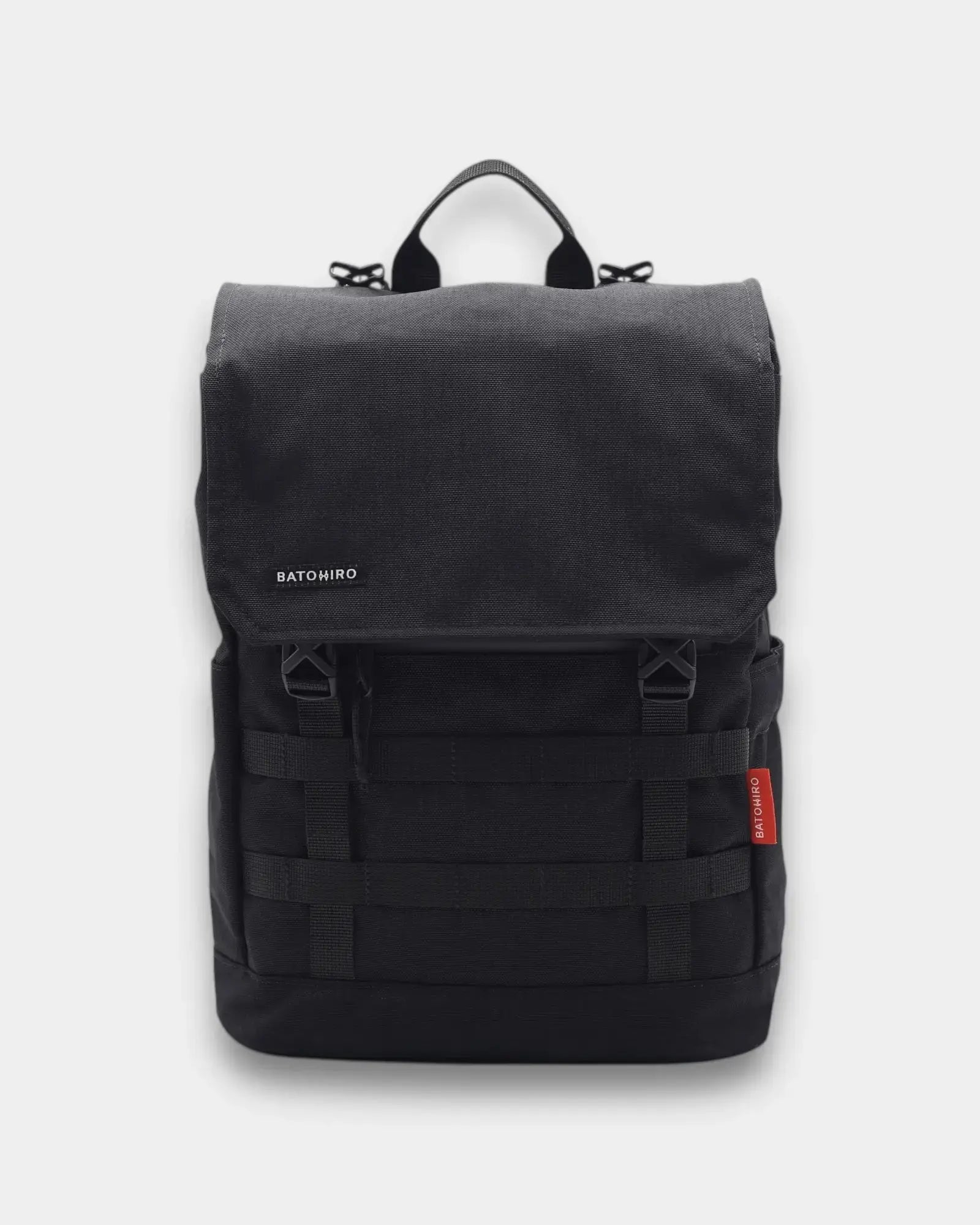
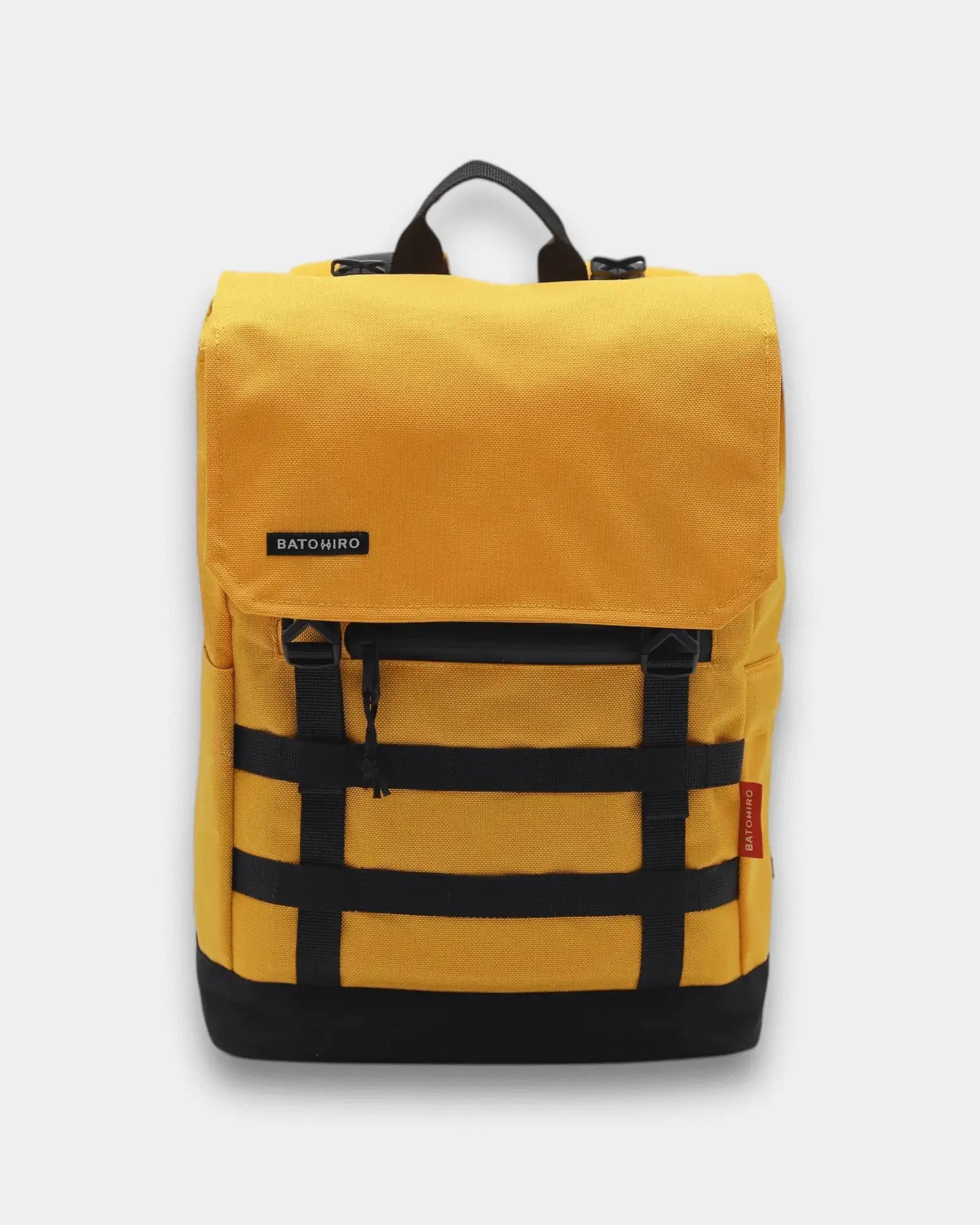
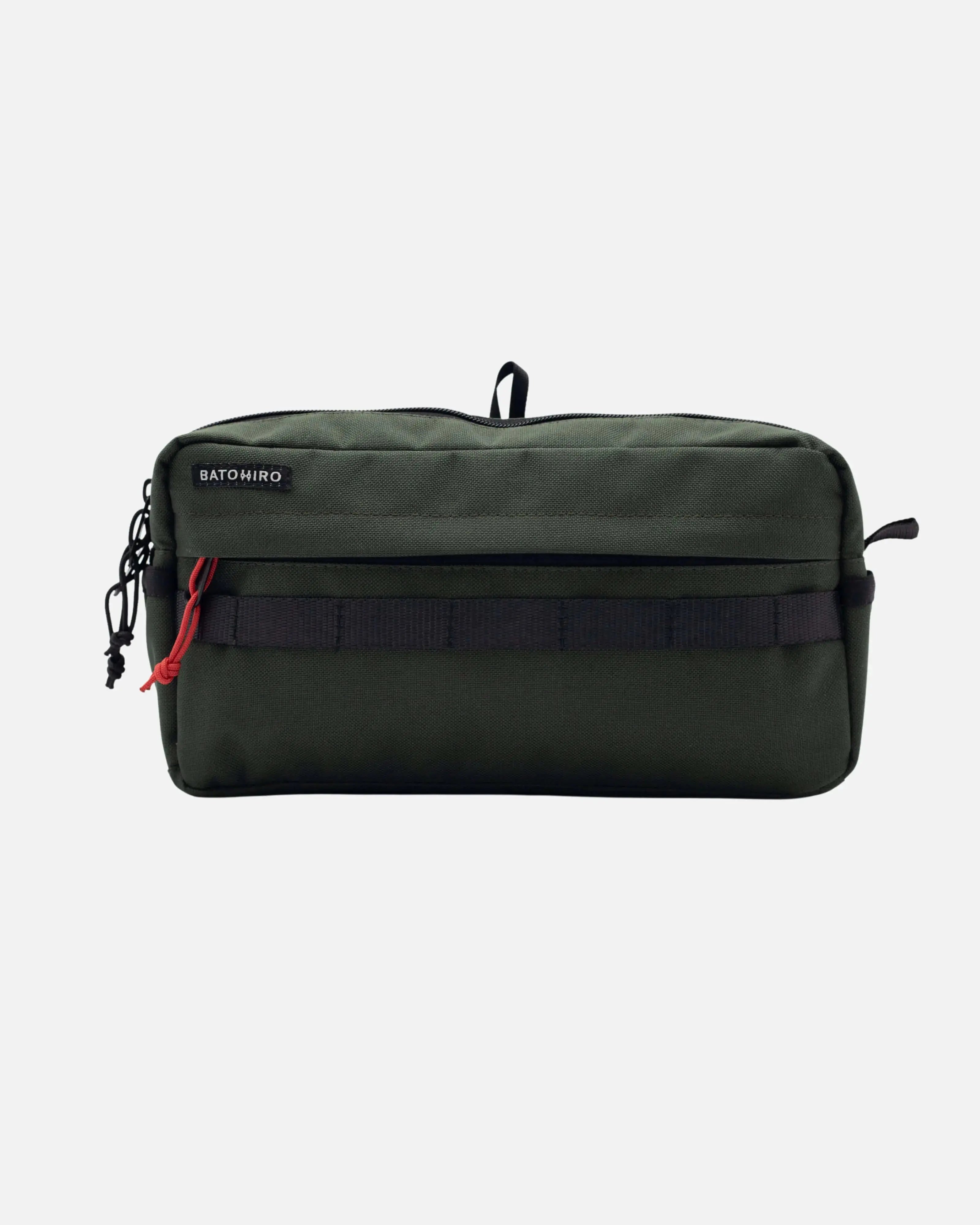









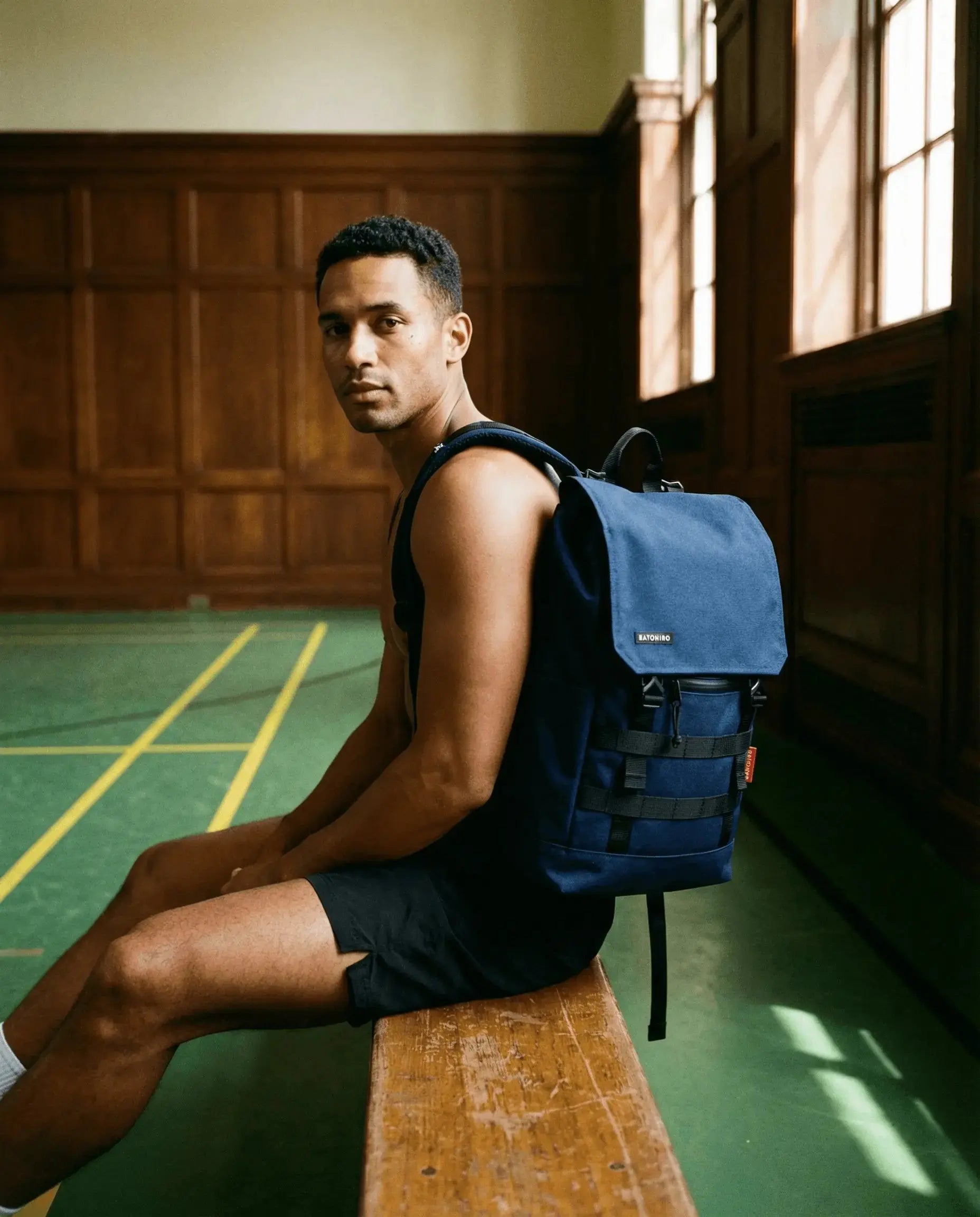
The search for the right backpack for the plane usually starts when someone doesn’t want to deal with suitcases, fees, or unnecessary transferring of items during security checks. A well-chosen 40 l travel backpack makes weekend trips, business travel, and longer city transfers after arrival easier. The difference is mainly in dimensions, compartments, and carrying comfort. This article will practically look at what to watch for in cabin luggage, when a backpack under the seat is enough, and how to choose a model that works not only for air travel but also for everyday use.
Why a travel backpack for the plane is a practical choice
A backpack for the plane makes travel easier, especially for people who want to move quickly and without unnecessary burden. Compared to a wheeled suitcase, it’s lighter, fits more easily under the seat, and doesn’t get in the way when moving through the airport or city. You’ll appreciate this on weekends, business trips, and during long layovers when you need your hands free. Another big advantage is traveling light without checked luggage, as a well-designed carry-on backpack can hold clothes, electronics, and small items for several days. If it has a functional design and comfortable carrying, it becomes a truly versatile helper.
Which carry-on luggage dimensions to watch
For a backpack on a plane, appearance isn’t the only important factor; it’s crucial that it meets the specific airline’s requirements. It’s necessary to distinguish between personal luggage and cabin luggage: personal luggage is usually smaller and fits under the seat, while cabin luggage can be a larger carry-on backpack stored in the overhead compartment. The most common limits revolve around smaller dimensions for under-seat luggage and larger ones for cabin luggage, but differences between airlines are significant. It’s worth measuring the backpack including pockets, straps, and expansion options because even a few extra centimeters can make a difference. If you often take short trips, a compact carry-on backpack is enough. For longer transfers, a larger travel backpack that still fits within limits is suitable.
Most common limits on low-cost flights
Low-cost flights usually have the strictest and most closely monitored rules. Typically, this involves a smaller backpack that fits under the seat, where centimeters and whether the backpack is overfilled matter. Even a slight excess can mean an extra fee at the gate, which is an unnecessarily expensive mistake. Therefore, it’s important to check the rules before every flight, not just when buying a backpack. The same model may be fine on one route but not meet requirements on another.
How to measure a backpack correctly
When measuring, account for a fully loaded backpack, including soft parts and protruding pockets. Measure the width, height, and depth, and leave a small margin because in practice, a filled backpack behaves differently than an empty one. Compression straps can help maintain shape and reduce volume during travel.
What to watch out for when choosing a backpack for the plane
The best backpack for the plane is not usually the prettiest but the one that meets size, weight, material, and internal organization requirements. For a travel backpack, it is important that it withstands frequent use without adding unnecessary weight to the contents. A nice design without practical features may work for everyday city use but will quickly show its limits for air travel. A model suited to the length of stay and packing style is ideal: some need a multifunctional travel backpack with multiple pockets, others a simple carry-on backpack with a laptop pocket and quick access to documents. Comfort is also important because during transfers, queues, and moves, there is a big difference between a backpack that fits well and one that presses uncomfortably. If the backpack meets airline requirements, protects your belongings, and is comfortable to wear, you’ve made the right choice.
Backpack weight and volume
A lighter backpack offers more space for your belongings, which is a big advantage for carry-on luggage. A smaller volume is often enough for a weekend trip, while a larger one suits longer stays, but it’s not good to choose based solely on liters. Volume alone is not enough if the backpack has a poor shape or unnecessarily heavy construction.
Material and durability
Durable materials that are easy to maintain and can handle crowded airports or urban commutes are ideal for frequent travel. Important features include durable fabric, strong stitching, quality zippers, and ideally water resistance. Travel backpacks should withstand frequent placement on the ground, cramped airplane spaces, and quick repacking.
Features that make a backpack a great companion
In a good travel backpack, details that are not visible at first glance make all the difference. Practical pockets and organizers help separate items so that chargers, documents, cosmetics, and clothing don’t get mixed up inside the backpack. A laptop pocket is almost a necessity for many travelers because it facilitates security checks and work on the go. Hidden pockets for valuables and lockable zippers are also useful if you often fly or move around busy cities. Comfort is enhanced by wide straps, padded back panels, and the ability to attach the backpack to a suitcase. For frequent travelers and business travelers, a thoughtful functional design that simplifies packing and unpacking is worthwhile. A multifunctional backpack for the plane can serve as carry-on luggage, a work bag, and a city backpack throughout the day.
Laptop and electronics pocket
A separate and padded laptop pocket protects the device from impacts and speeds up security checks. It is practical for quick removal during airport security checks while traveling. It is important that the pocket size matches the device; otherwise, both security and comfort quickly decrease.
Comfortable Carrying and Backpack Back Support
For longer wear, soft straps, breathable back panels, and stable weight distribution matter. The backpack shouldn’t pull backward or swing unnecessarily while walking. Comfort is crucial especially during transfers, waiting in lines, and moving from the airport to the hotel.
Travel Backpack by Trip Type
Not every travel backpack for a plane suits all situations, so it’s worth considering your travel style. For a weekend trip, a compact model that packs quickly and doesn’t look bulky is best. For a vacation with carry-on luggage, a larger backpack with better organization and reasonable volume is suitable. For a city trip, a lightweight backpack with easy access to wallet, bottle, and documents is ideal. Conversely, for business trips, a sleeker model with clean lines makes sense. A universal backpack is practical but may not be ideal for every situation. Elegant, sporty, and multifunctional travel backpacks each have their place depending on what you expect from them.
Backpack for Business Trips
For business trips, a discreet look, organizer, and space for documents, laptop, and chargers are useful. Quick access to items used during security checks or between meetings is an advantage. A professional appearance often matters as much as practicality, so the backpack should look neat and timeless.
Backpack for Short Flights and Weekend Trips
For short trips, compactness is more important than maximum volume. Easy packing, simple organization, and quick access to essentials usually suffice. A smaller backpack is often more efficient than a large one because it’s easier to carry and less tempting to overpack.
Backpack for Low-Cost Flights
For low-cost flights, a backpack is often the only way to avoid extra baggage fees. Rules are usually strict, and the difference between a personal item and a larger cabin bag is significant. It pays to choose a model that meets the strictest limits because certainty here is more valuable than a few extra liters. Before departure, it’s essential to recheck current conditions as airlines change their rules. When the backpack is chosen correctly, it maximizes space without adding unnecessary weight or stress during check-in.
How to Avoid Airline Fees
Fees often arise due to details like an overstuffed backpack, hard sides, or protruding pockets. Allowing some margin in size and weight and packing contents wisely helps. Compact packing saves money and time at the airport, which is invaluable when traveling by plane.
How to Pack a Travel Backpack Efficiently for a Plane Trip
Proper packing determines whether everything needed fits in the backpack and remains comfortable to carry. Using every space doesn’t mean overstuffing but logically distributing items by weight and accessibility. Heavier items belong closer to the back, lighter ones more on the outside. Rolling clothes is usually more practical than folding because it saves space and fills gaps better. Organizers and pouches keep small items together, so you can quickly find what you need in the backpack. Items that might be needed during security checks or the flight should be placed on top or in an easily accessible pocket. A well-packed carry-on backpack for a plane is more organized, stable, and comfortable to carry even on longer trips.
What to put in the backpack first
Heavier items like electronics or heavier cosmetics go in first, close to the back. Documents, medicines, and other important items must remain easily accessible. Gaps between rigid items can be filled with clothes or shoes to prevent shifting.
How to maximize space
Rolling, folding, and compression bags each have different uses. A well-organized backpack simplifies packing and unpacking after arrival. Don’t fill it completely to the brim to maintain its shape and fit within limits.
Features you will appreciate on business trips
For business trips, it is most important that the backpack looks professional and functions without compromise. Practical compartments for a laptop, documents, and chargers save time during transfers and security checks. Quick access to items is especially valuable during layovers when there is no room to unpack and repack everything. A structure that holds its shape and doesn’t look too sporty is also useful. If the backpack combines a representative appearance with organization and comfortable carrying, it becomes a reliable accessory for both the office and the airport. For some, a multifunctional travel backpack that works in the city in the evening and at meetings during the day may be ideal.
Elegant and versatile design
Neutral colors and clean lines work best in more formal settings. The backpack should be suitable for both the office and the airport without looking out of place. A timeless model is usually more advantageous than a bold trend because it lasts longer visually as well.
Most common mistakes when choosing a backpack for a plane
Typical mistakes keep repeating the same way: wrong dimensions, excessive weight, too few pockets, and underestimating the specific airline's rules. Many people choose a backpack based only on appearance and only later realize it doesn't fit the limits or is uncomfortable to carry. Another common problem is insufficient compartmentalization, causing items to get mixed up during the trip. A simple checklist before buying helps: verify dimensions, consider the purpose, check weight, material, laptop pocket, and back comfort. If the backpack meets the criteria both on paper and in practice, the risk of disappointment significantly decreases.
Underestimating dimensions and allowed limits
The most common problem at the airport arises from dimensions that do not comply with the carrier’s rules. Differences between carriers are often bigger than they seem, and repeated flights do not guarantee anything. Even on the same route, it’s good to check the rules again before each trip.
How to recognize a quality travel backpack for the plane in practice
You can recognize a quality travel backpack by sturdy seams, reliable zippers, well-designed straps, and smart compartments. It’s not just about first impressions but how the backpack performs after several trips, when fully loaded, and in everyday city use. It’s worth trying the backpack on your back, checking if it fits well, and reading real user reviews. A model that withstands frequent travel is also recognizable by details like YKK water-resistant zippers, waterproof construction, or ergonomic back padding. For premium backpacks, the price-to-features-to-longevity ratio also matters. If the backpack is made from durable and water-resistant materials, it can handle not only cabin transport but also everyday city wear. Brands that focus on handmade production in the Czech Republic and use top-quality technical Cordura fabrics often show attention to detail and functional design.
How to choose the best backpack for the plane for yourself
The best backpack for the plane is one that fits your travel style, budget, and what you actually carry in it. A compact model makes sense for short flights and minimalist packing. A multifunctional travel backpack is better for those who want one backpack for work, city, and air travel. An elegant option is great for business trips, while a sportier one suits leisure and frequent moves. It’s worth paying extra for better organization, more comfortable carrying, and more durable construction if you use the backpack often. When making the final decision, the backpack should meet airline requirements, fit well on your back, and match your style. When practical pockets, the right dimensions, and durable material come together, you get a carry-on backpack that is not a limitation but an advantage on every trip.
A backpack that handles both flights and everyday life
A well-chosen backpack for the plane is not just a solution for the airport. Ideally, it works as a travel backpack, a work helper, and a reliable city backpack. When it meets carry-on size requirements, has thoughtful pockets, is comfortable to wear, and withstands frequent use, it pays off in comfort and saved time. And that is often the biggest difference in light travel.