


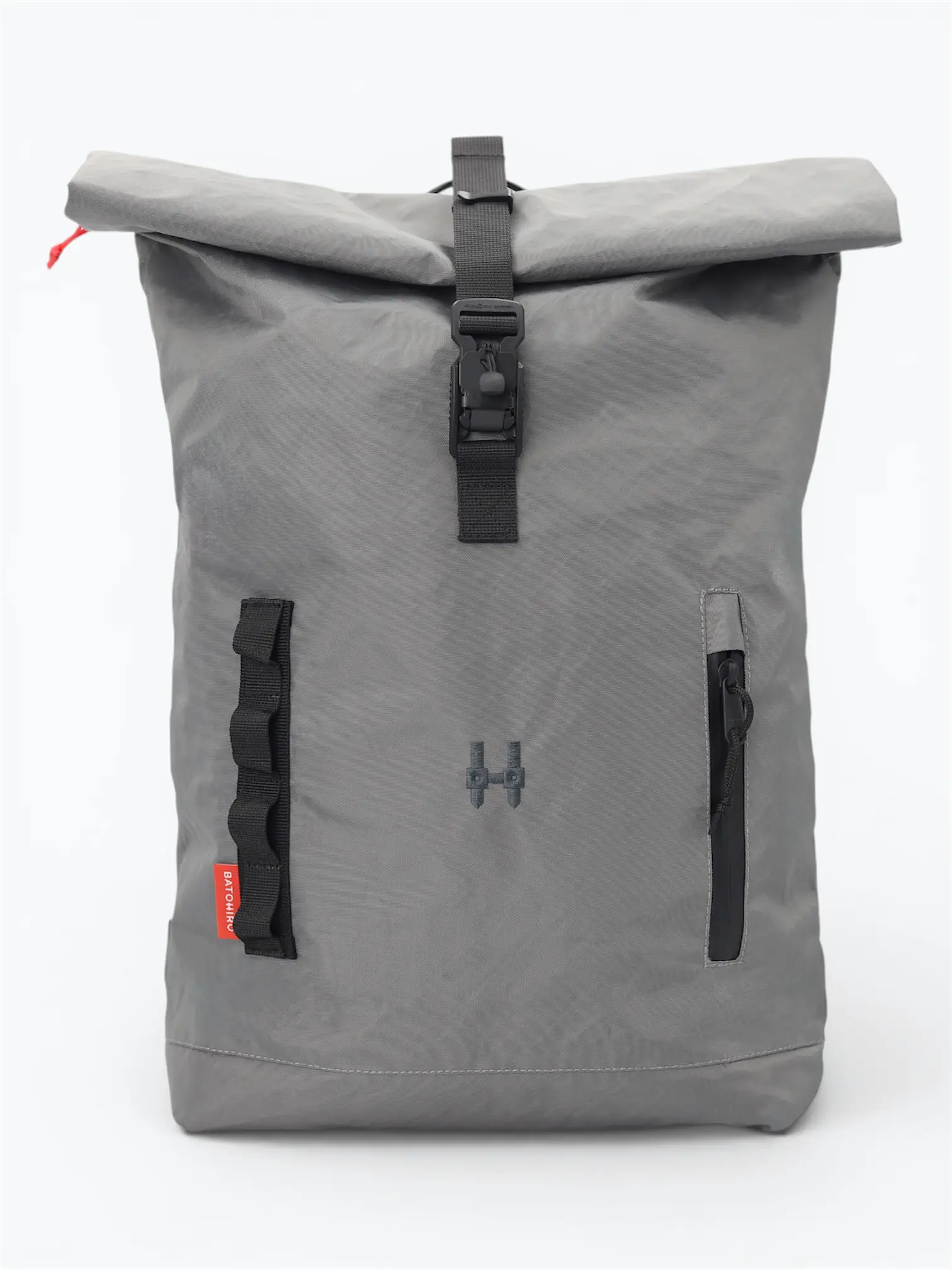

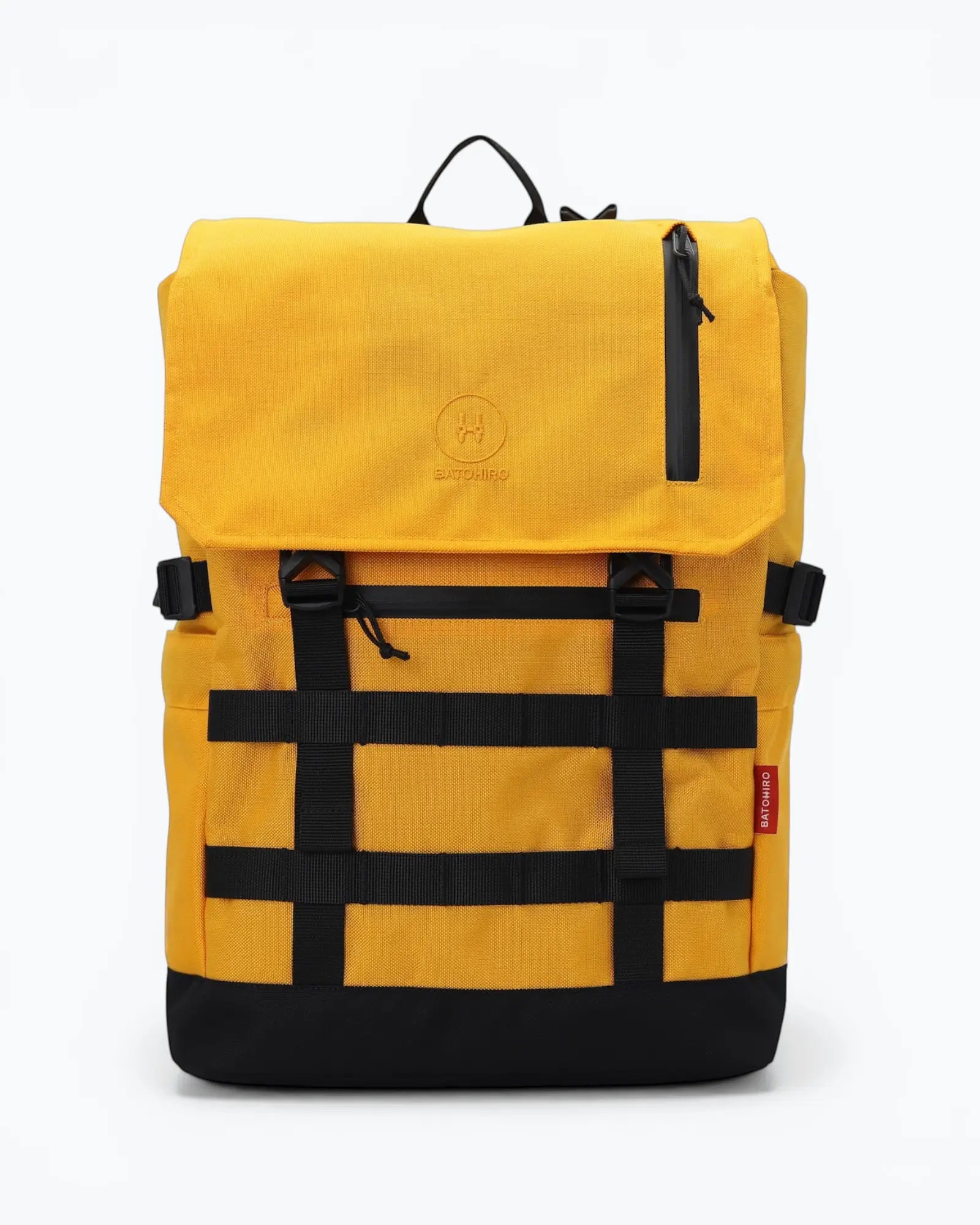
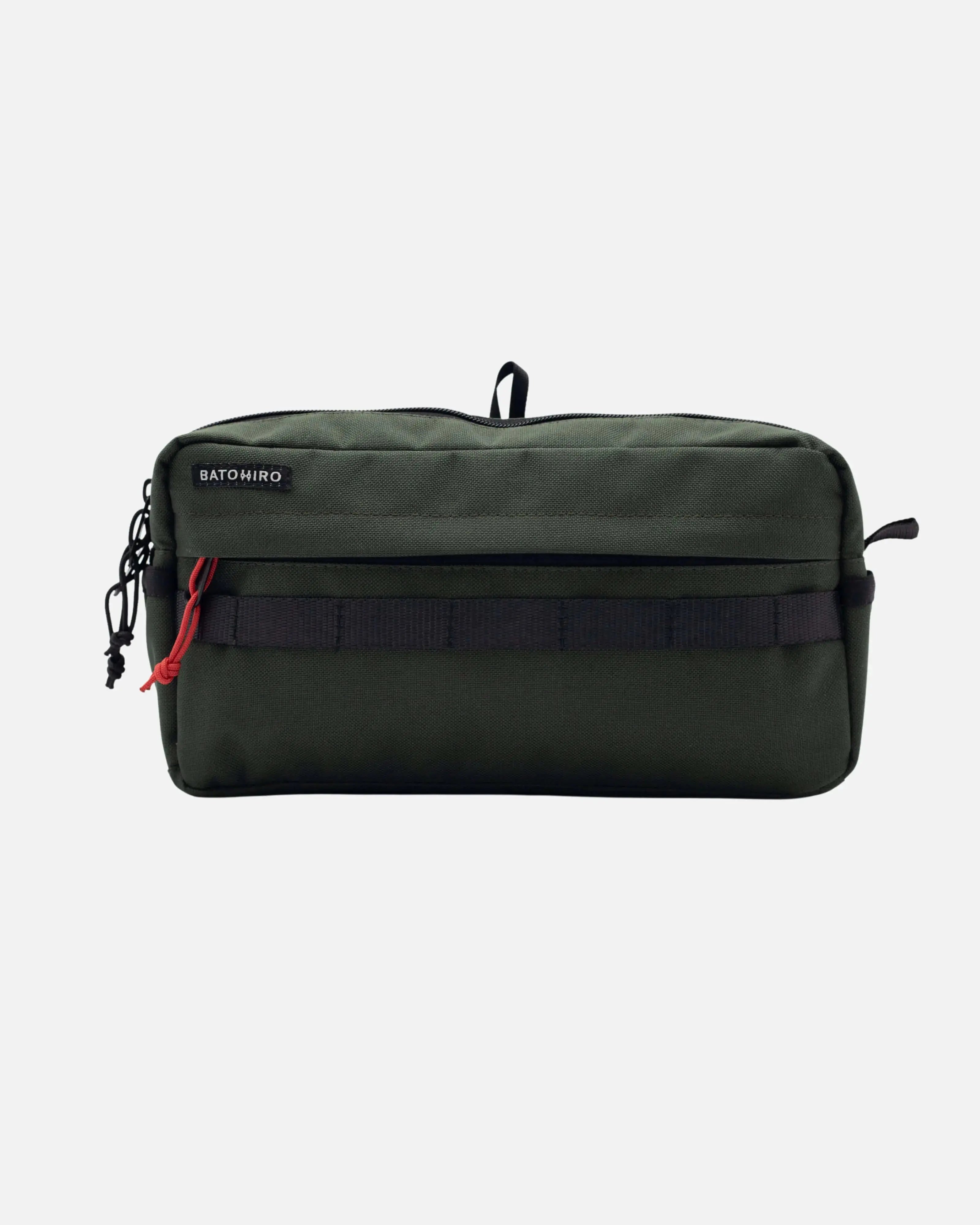
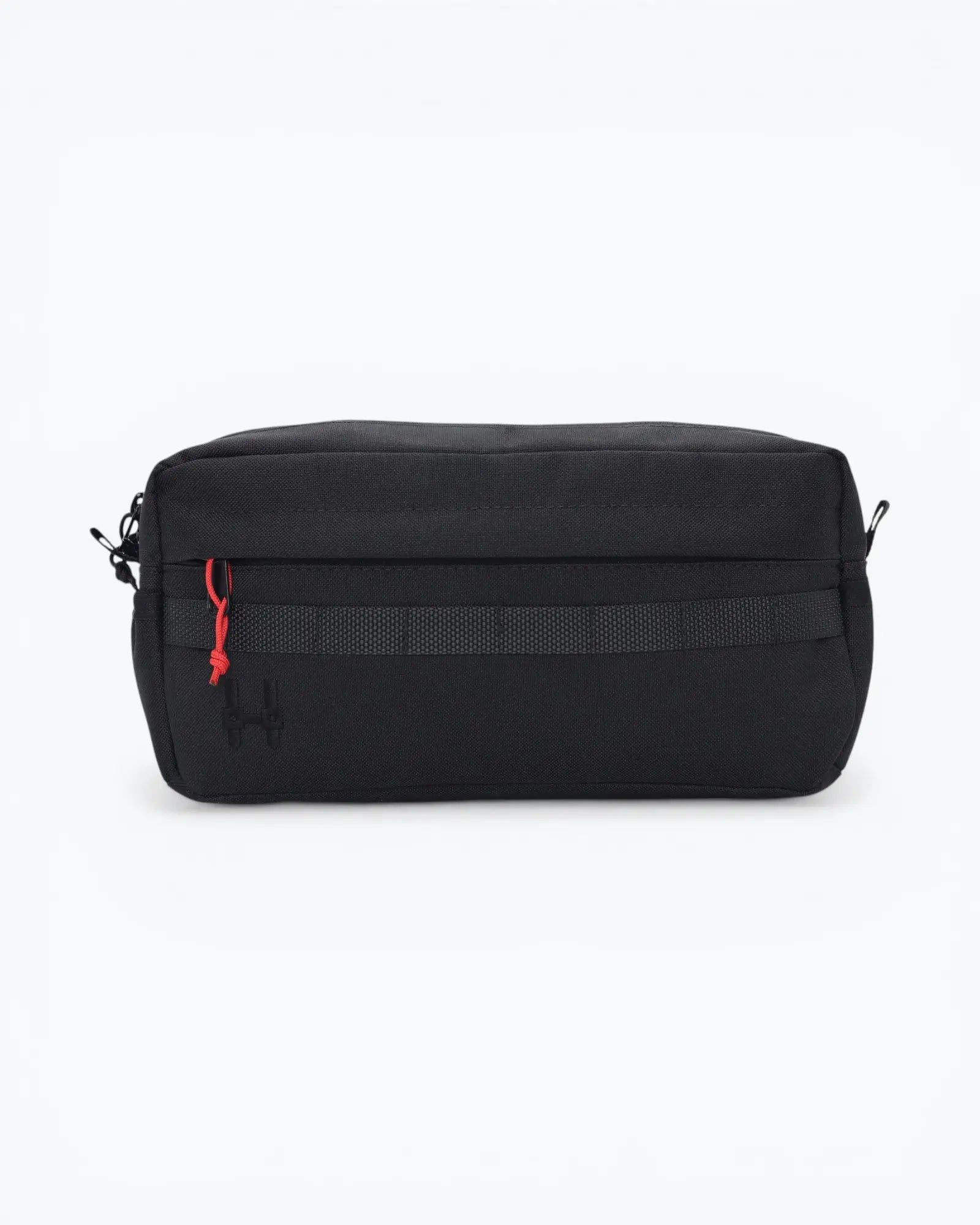
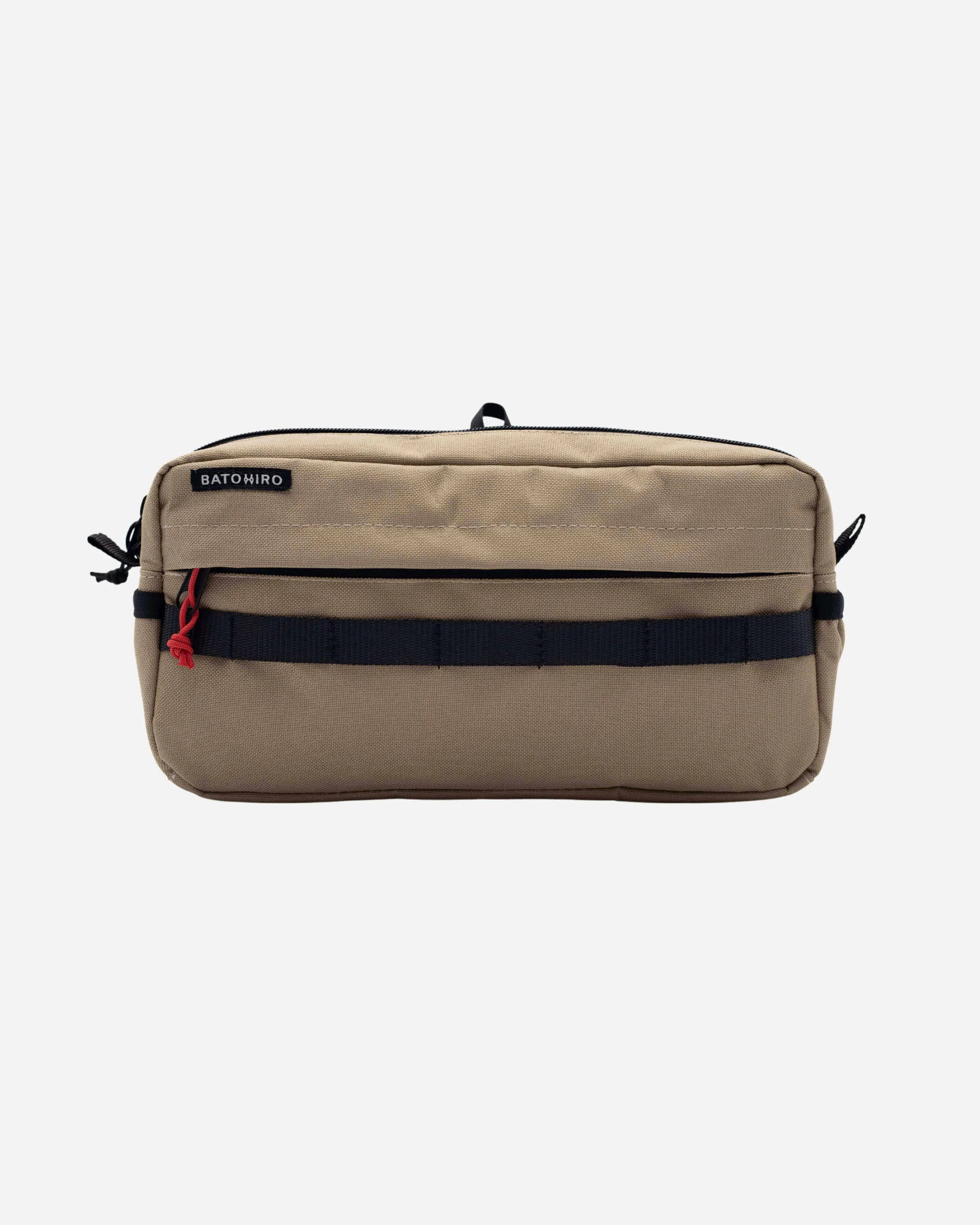





Travel bags are among the most practical luggage for times when you don’t want to deal with a hard shell but still need more space than a regular backpack. They can be lightweight, compact, and surprisingly versatile: for a weekend getaway, business trip, or longer vacation if you choose the right volume, carrying method, and material durability. The following overview will help you navigate types, sizes, and details that in practice determine whether the bag will be a reliable companion or just a nice-looking piece of luggage.
What travel bags are and when they make sense
Travel bags are soft luggage designed for easy carrying of clothes, hygiene items, and small electronics. Compared to suitcases, they have a more flexible structure, so they fit better in a car, on a train seat, or in a crowded hotel space. Their biggest advantages are low weight, quick packing, and more comfortable access to items. They make sense for weekend trips, short business stays, and situations where a somewhat “flexible” bag is useful, taking up less space than a hard suitcase. This article will show how to choose based on the way you travel so that the bag matches actual use, not just first impressions.
Basic types of travel bags
Under one name, several different solutions are hidden, each suitable for something else. The difference is not only in appearance but mainly in how the bag is carried, how access to the main compartment is arranged, and how much comfort it provides during transfers.
Classic travel bag
The simplest version usually has one main compartment, two handles, and minimal structural elements. Because of this, it is lightweight, easy to fold, and takes up almost no space when empty. It is suitable for users who need a versatile bag for the car, a short stay, or a sports trip. Its strong point is quick access to all items and wide usability, while its weakness is longer carrying by hand, where weight and poorer load distribution can become bothersome.
Travel bag as a backpack
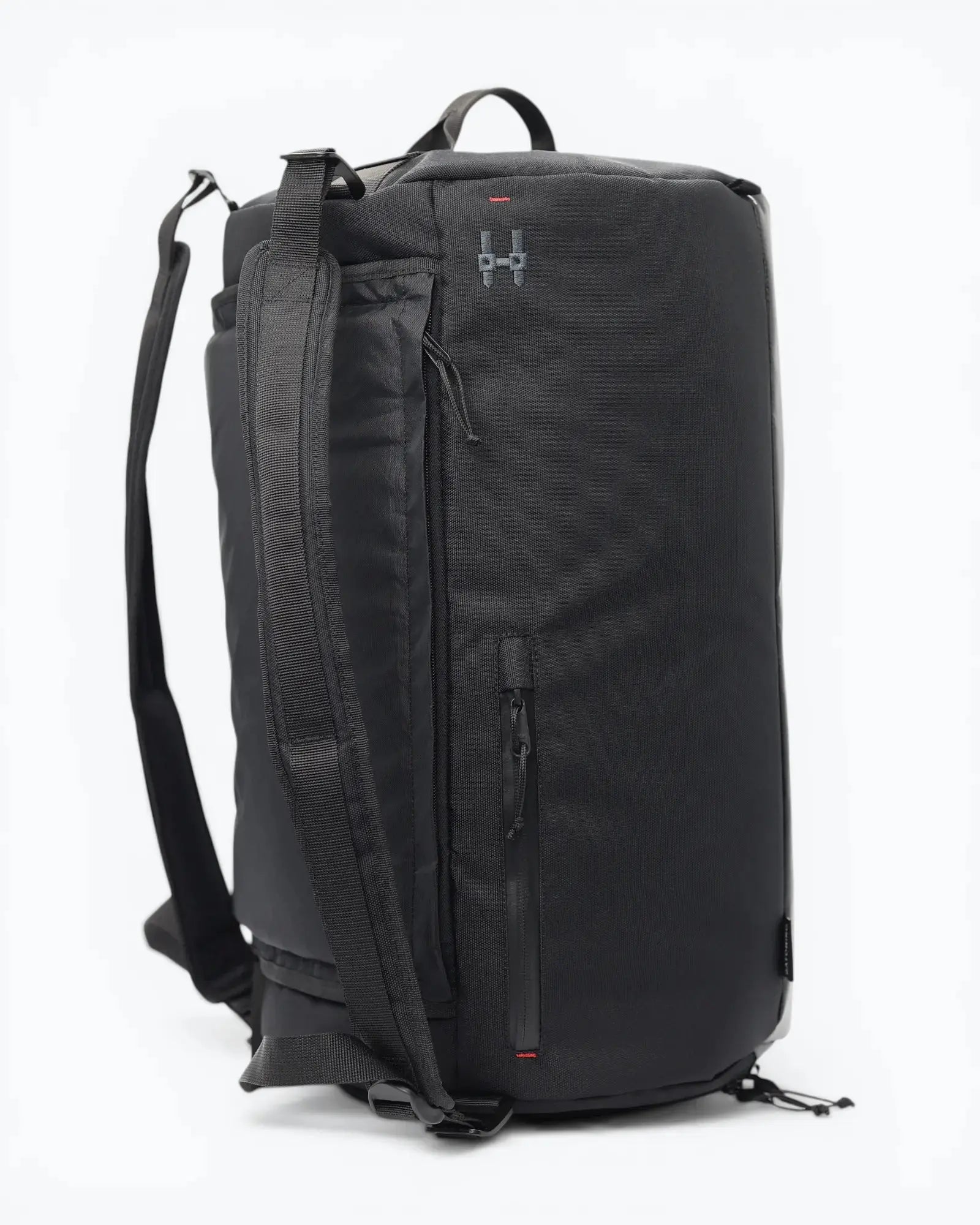
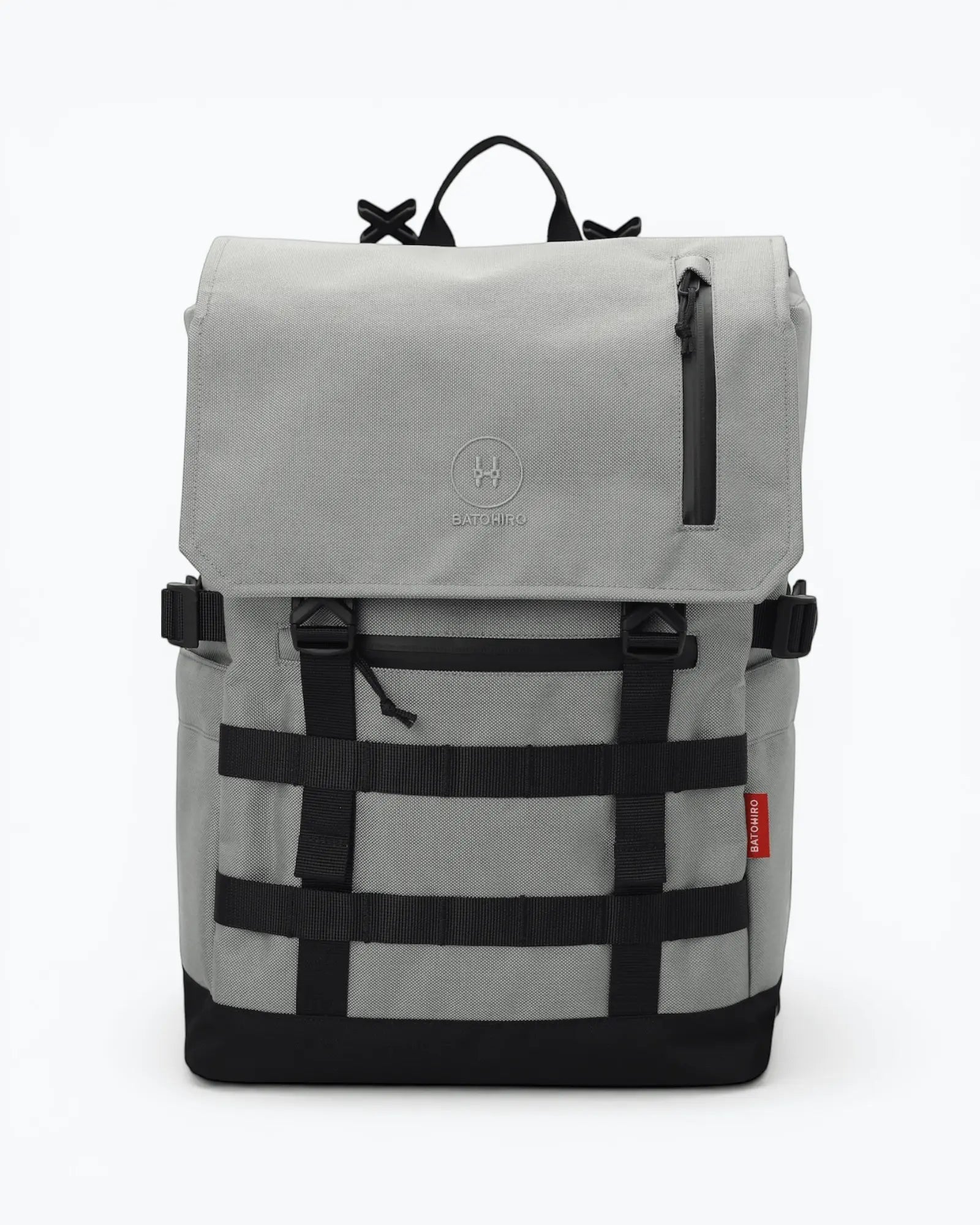
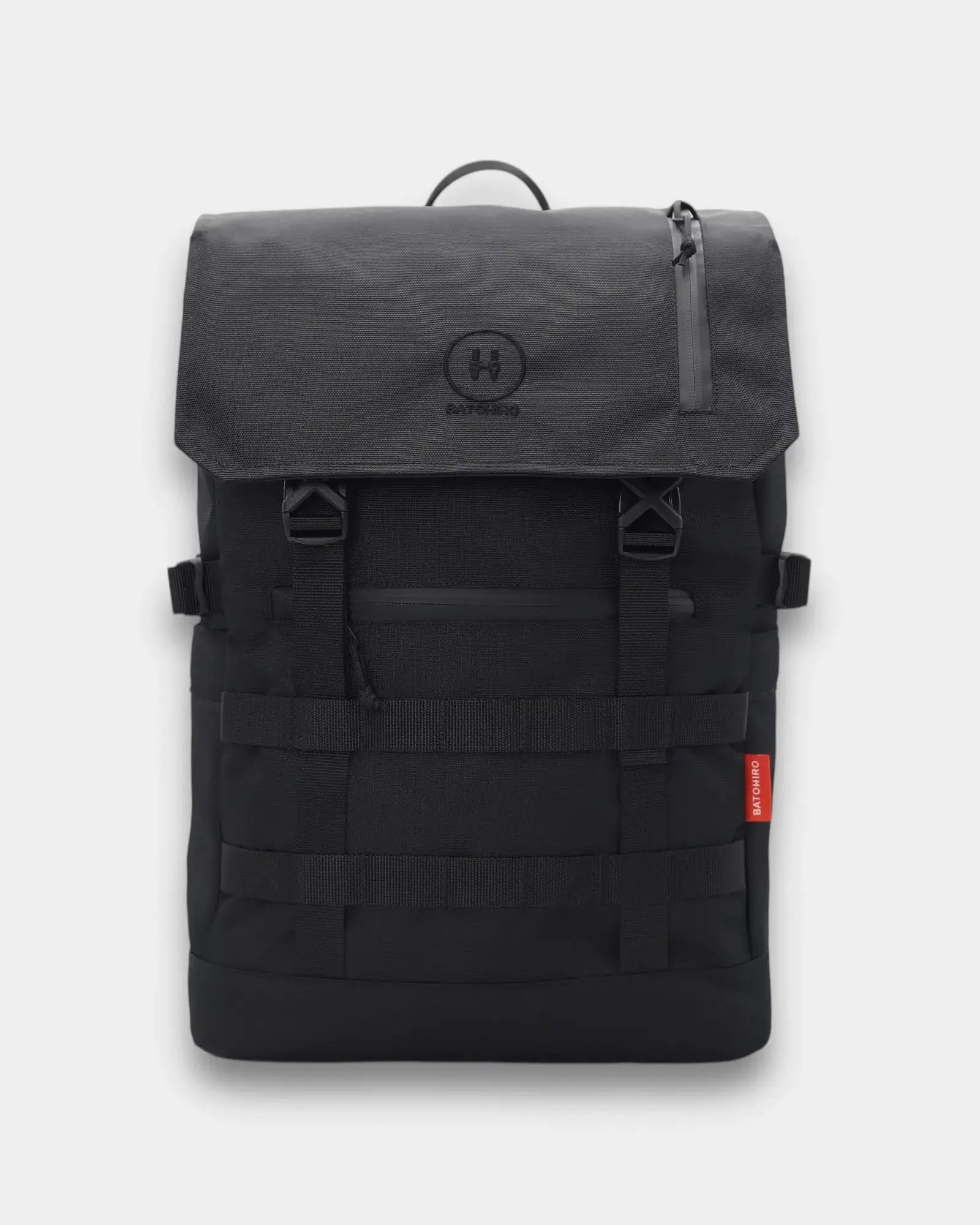
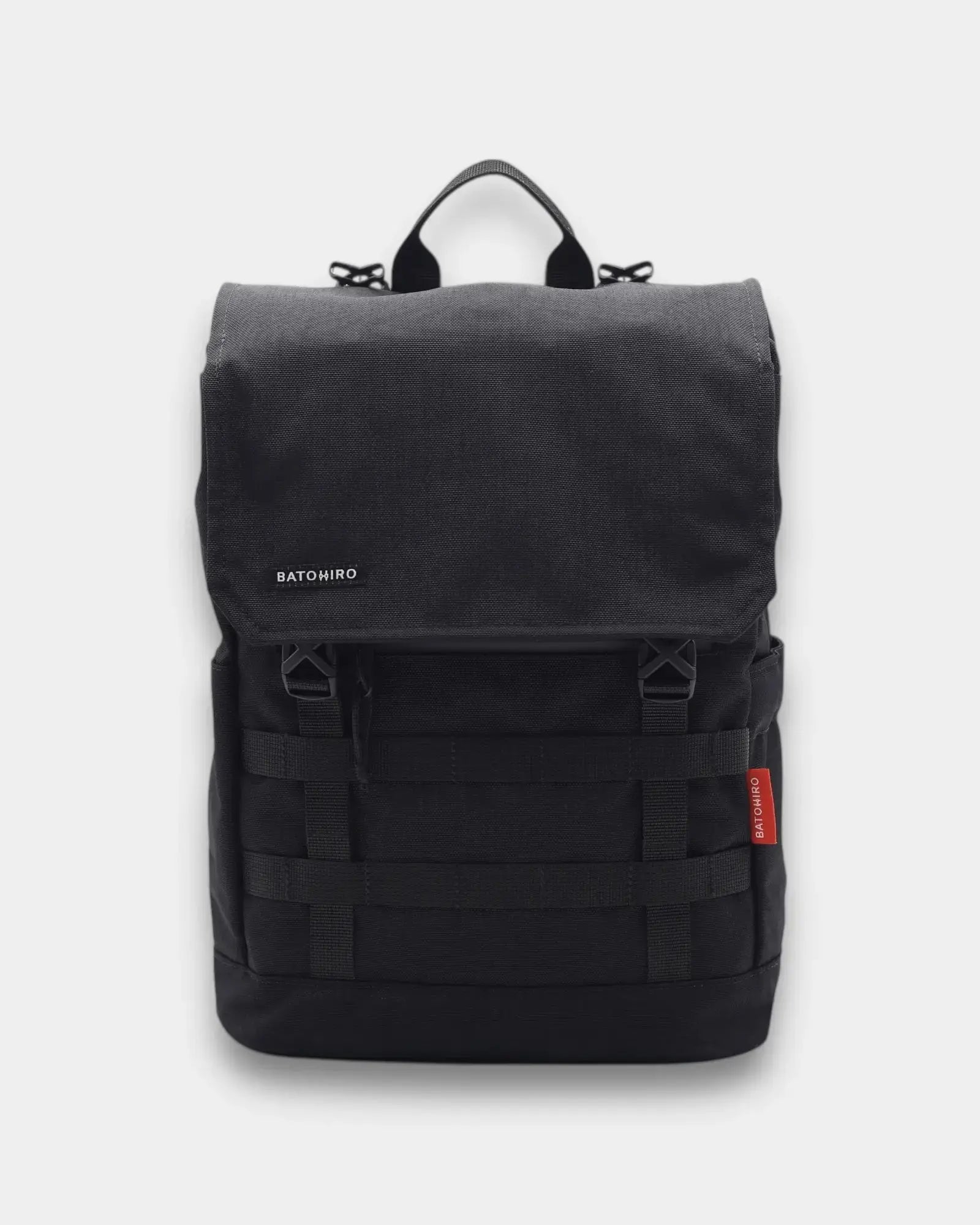
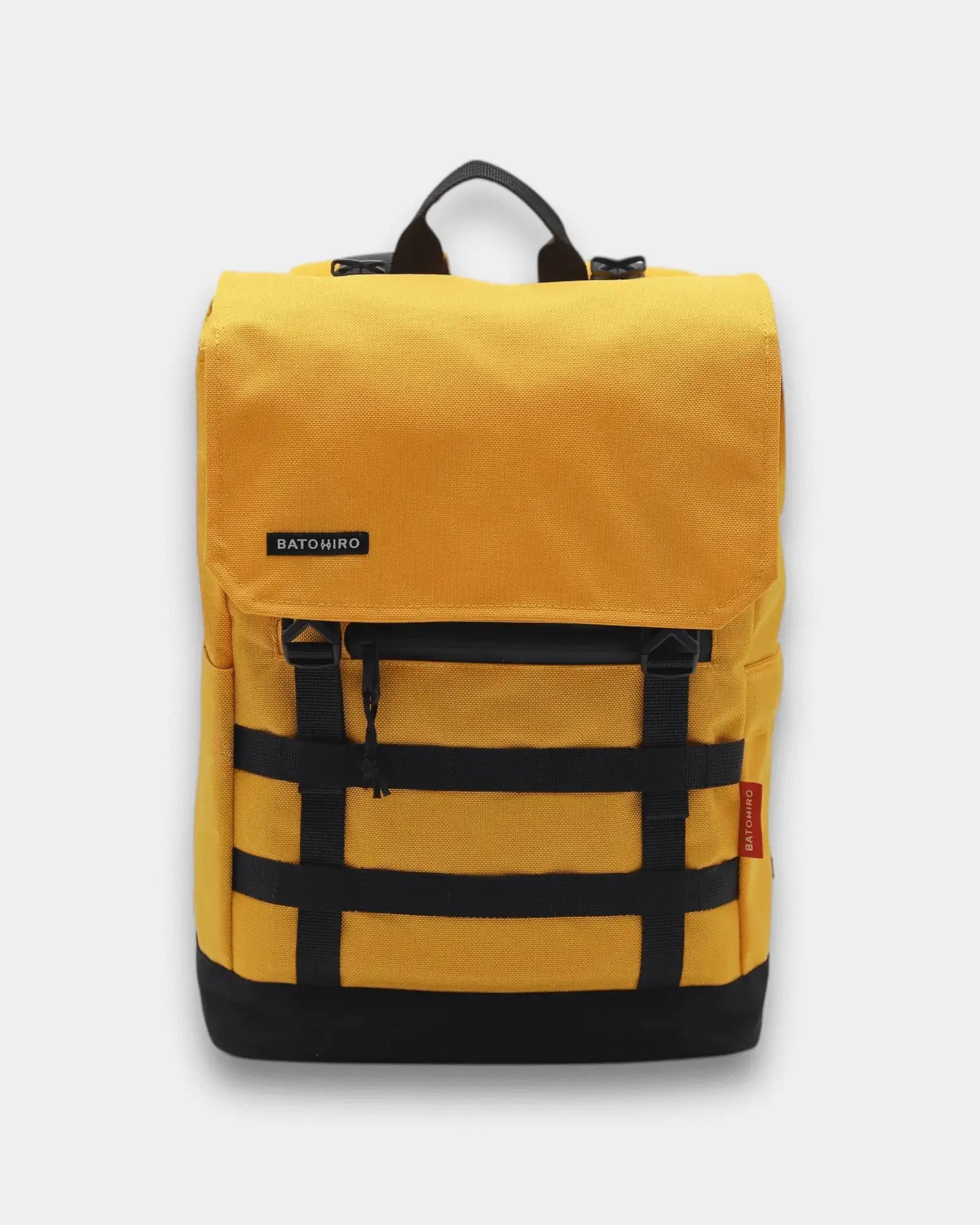
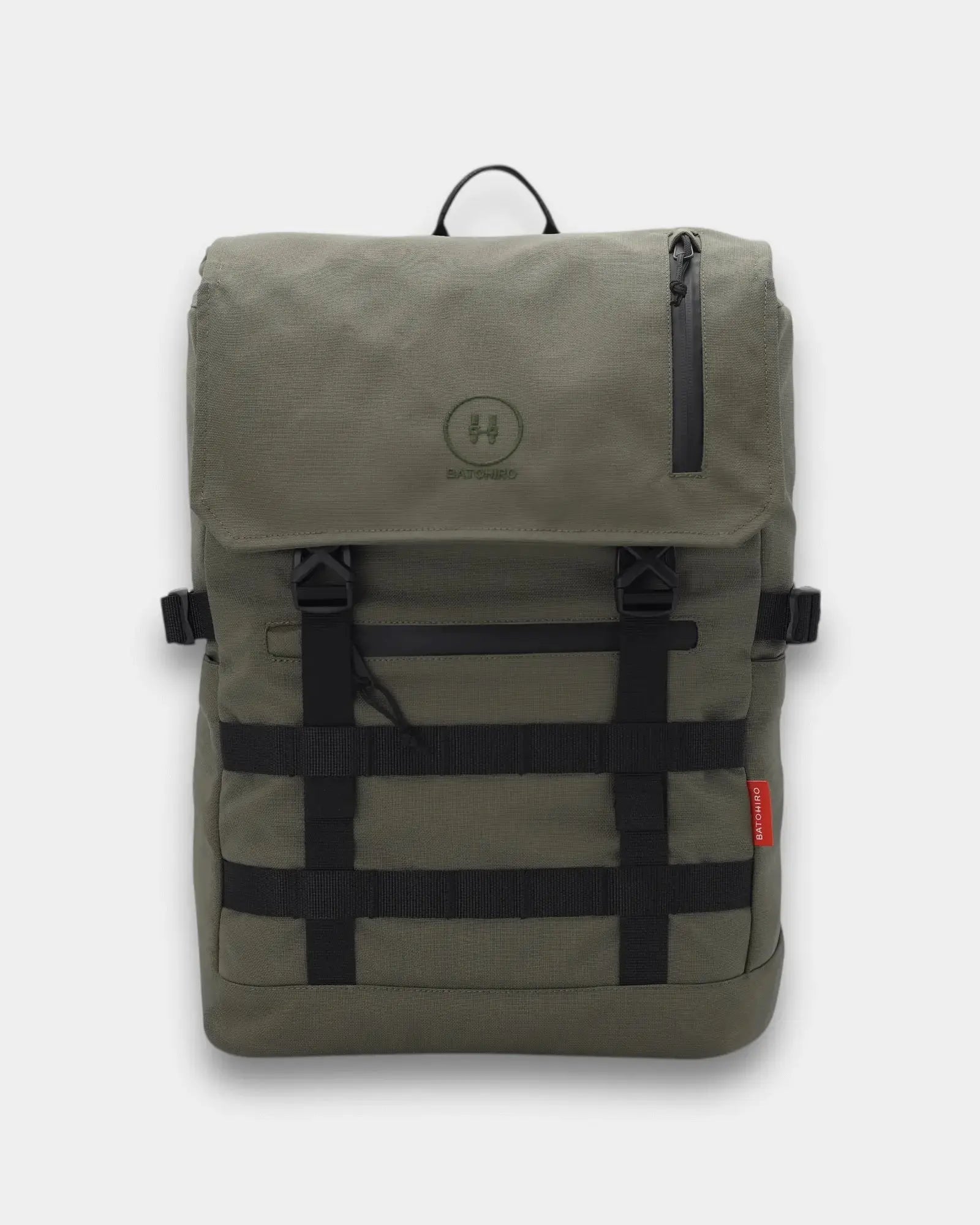
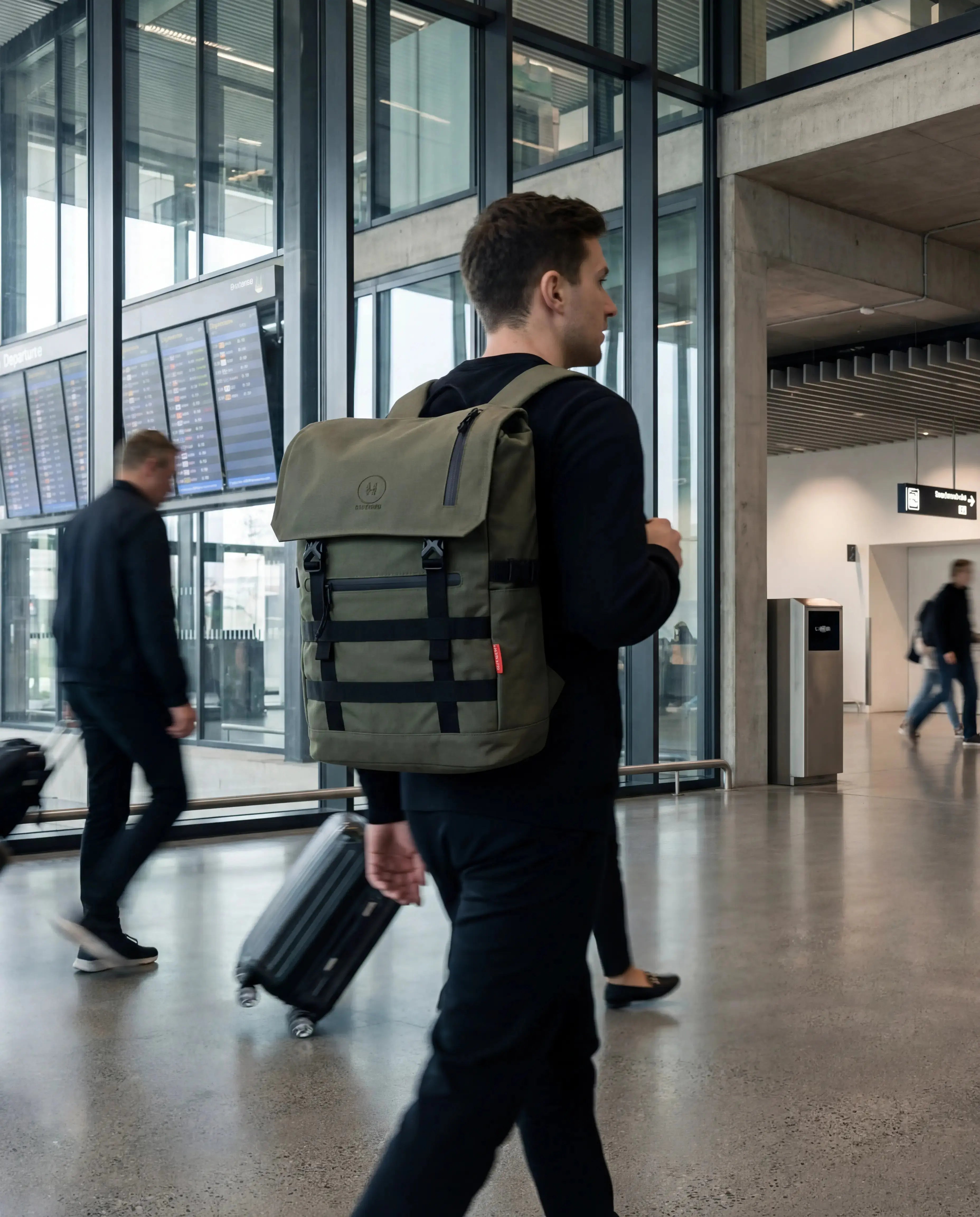
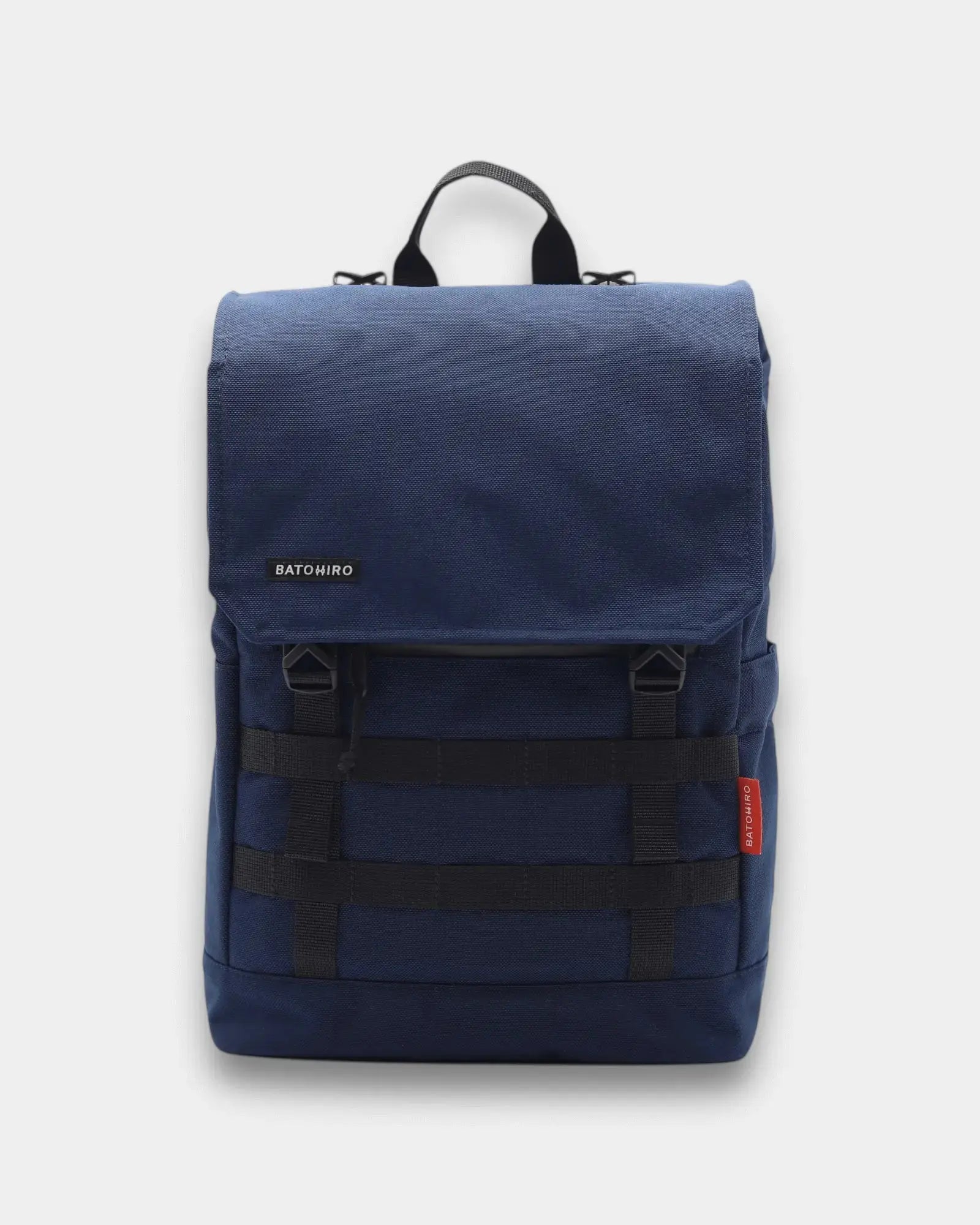
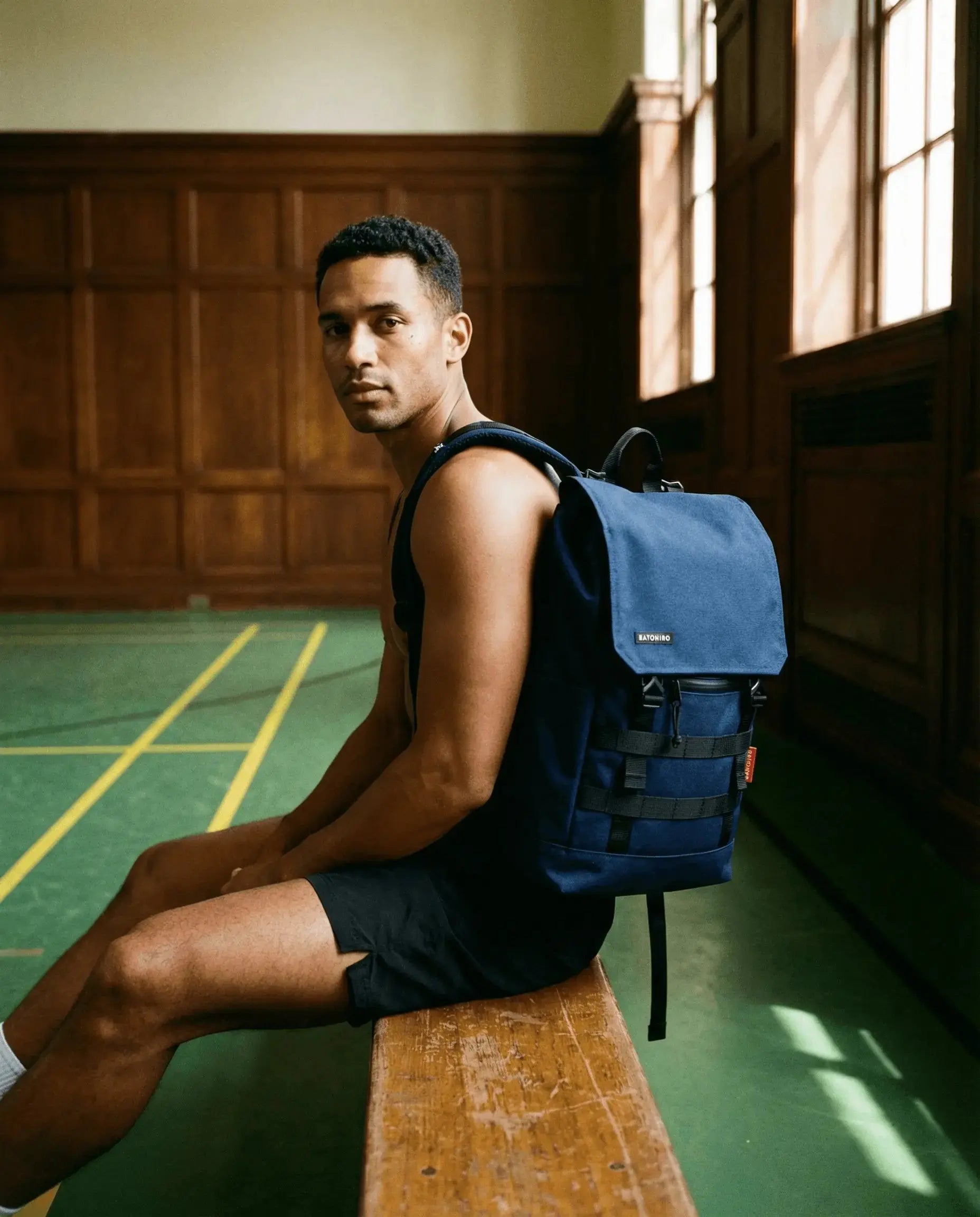
If a longer walk is needed, through a station or over uneven terrain, a bag with shoulder straps is usually more practical. It carries closer to the body and distributes the load better, which you will especially appreciate with heavier contents. The advantage is greater comfort when traveling multiple segments, for example during transfers or at the airport. However, it is good to expect a compromise: the backpack system adds structure and sometimes weight, so comfort comes at the cost of slightly less compactness or a bit less internal space. If you are looking for a similarly versatile solution, an expandable travel backpack can also be practical.
Rolling travel bag
The wheeled option makes the most sense where heavier loads are transported and most movement is on flat surfaces. At airports, hotel lobbies, or smooth sidewalks, it significantly eases the strain on your back and shoulders. Especially for larger travel bags, it’s a comfortable solution for longer transfers. The limitation is terrain, stairs, and more difficult handling in tight spaces, plus the construction itself is usually heavier than a classic bag. Therefore, it’s mainly suitable when dragging on the ground prevails, not carrying on the back.
How to choose a travel bag by use
The right choice starts with the question of where the bag will be used most often. The same model can be great for a weekend but seem unorganized on a business trip or, conversely, too small on vacation. It makes sense to choose based on the actual scenario, not the maximum volume on paper.
For weekends and short stays
For two to three days, about 30 to 45 liters is usually enough, depending on how sparingly you pack and the season. For short trips, quick access, lightness, and compact dimensions are essential. A bag that opens easily, doesn’t have unnecessarily complicated compartments, and fits into a smaller car or under a seat is practical. For weekend trips, simplicity often matters more than maximum protection. In practice, a spacious 40l travel backpack can also serve well.
For business trips
For business travel, emphasis is added on a representative appearance and better organization. A separate laptop pocket, compartments for chargers, documents, and personal items are useful so you don’t have to pull everything out in one place. In many situations, a bag is more practical than a classic suitcase because it’s faster when moving around the city, fits better in a car, and doesn’t look as formal. If you need to move frequently between meetings, organization and accessibility win over maximum volume.
For longer vacations
For longer trips, a larger volume, more durable material, and more comfortable handling are more important because the bag is usually full and goes through various transfers more often. Strong zippers, reinforced strap attachments, and thoughtful handles that make lifting and loading into a car or luggage compartment easier will help. When choosing, it’s good to consider how you will travel: watch the dimensions for air travel, and for road trips, focus on durability and easy packing. A properly chosen bag can handle longer expeditions if it matches your travel style.
How to choose the right size and volume
It pays off to estimate the size of luggage based on the actual volume of items, not on the feeling that "bigger is safer." A bag that is too small will quickly become insufficient, but an unnecessarily large one encourages overpacking and is harder to carry.
Volume by travel length
For a weekend, a reasonable volume is about 30 to 45 liters; for a week, often 50 to 70 liters; and for longer trips, more than 70 liters can make sense. However, this is just a guideline, as packing style and season matter: winter clothes take up more space than summer clothes, as do sports gear or formal wear. It’s better to have a small margin but not to take an unnecessarily large bag just because “something might fit.” Too much space usually leads to clutter and heavier carrying.
Dimensions and carry-on luggage
For air travel, it’s essential to check dimensions according to the specific carrier, as carry-on rules vary. Soft travel bags have the advantage of partially adapting to space but shouldn’t rely solely on material flexibility. The difference between a cabin bag and checked luggage mainly lies in size limits and access to contents. You can avoid check-in issues by verifying not only maximum dimensions but also weight and any additional rules for smaller personal items.
Materials, durability, and item protection
The material determines how the bag will perform after several months of use, not just at first unpacking. With frequent travel, the differences between cheaper and higher-quality construction become apparent very quickly.
Bag material
Lightweight materials make carrying and packing easier, while sturdier technical fabrics increase durability and abrasion resistance. Waterproof or water-resistant options better protect contents in changing weather and outdoor transfers. The material also affects the price: more durable technical fabrics, like premium synthetics or Cordura, tend to be more expensive but often last significantly longer. For frequent travel or outdoor use, it’s important to balance weight, strength, and content protection.
Protection against rain and wear
In practice, details matter: waterproof zippers, strong seams, reinforced bottoms, and durable handles. These features are often more important than appearance because they protect your belongings in the rain, when placing the bag on the ground, and during frequent loading into the car. At the airport, you’ll appreciate a bottom that can withstand rough handling, and in the car, a material that wipes clean easily. A well-designed travel bag should not only look good but also be ready for everyday wear and tear.
Which carrying method to choose
The way you carry the bag significantly affects how comfortable it will be in real use. What seems light in the store can feel completely different after five hundred meters, stairs, or a transfer.
By hand, over the shoulder, or on the back
Carrying by hand is the fastest and often sufficient for short transfers from the car to the hotel or office. Carrying over the shoulder is more comfortable for medium-weight loads but can cause uneven strain during longer use. The backpack option is the most comfortable for longer transfers because it distributes the weight more evenly. The deciding factors are the weight of the contents and the distance of the transfer: the longer the journey with the bag, the more worthwhile ergonomic back padding and well-designed straps become.
Wheeled Bags
Wheels are advantageous where the luggage is really heavy and mostly moves on flat surfaces. They ease the work during long walks through airports, train stations, or hotel corridors. However, they are not ideal for stairs, gravel, or rough terrain, where their advantage quickly disappears. The wheeled option makes sense over a backpack when you mostly travel on smooth surfaces and the contents are heavier than usual.
Practical Details That Make Travel Easier
At first glance, they may seem inconspicuous, but small details often decide whether a bag will be used comfortably every day or only occasionally. The difference is mainly made by organization and quick access.
Pockets, Organization, and Access
External pockets and separate compartments are useful for documents, phones, cables, and small items you don’t want to dig for in the main compartment. Quick access is handy for passports, wallets, headphones, or water bottles, especially during transfers. Well-designed organization shortens packing and unpacking time and reduces chaos on the trip. When a bag has logically divided space, it works better even on shorter business trips or overnight stays.
Zippers, Handles, and Compression Features
Quality zippers and sturdy handles increase safety and comfort during handling because the bag opens securely and without unnecessary strain. Compression straps help stabilize the contents so things don’t shift as much, making the luggage feel more compact. In travel, such small details often make the difference: comfortable handling, secure closing, and good access are often more valuable than flashy design.
How to Pack a Travel Bag Efficiently
Good packing reduces volume demands and improves organization at the same time. Even a spacious bag can feel unusable if the contents are thrown in without a system.
Sorting Items Before Packing
First, it’s useful to separate items into essentials and optional. This simple sorting helps determine how big a bag you really need and often prevents last-minute overpacking. When packing by priority, it’s easier to recognize what is truly necessary for the trip and what would just take up space. For shorter trips, the biggest mistake is often taking too many things “just in case.”
Rolling and Organizers
Rolling clothes is usually more space-saving than folding into high layers and also helps keep things organized. Practical items include packing cubes, toiletry bags, and compression sacks that divide contents into smaller units. Heavier or less frequently used items belong at the bottom, lighter and frequently used items on top. This way, you can access the bag without overturning the entire contents, and packing feels logical.
What to Focus on for Family and Active Travel
Family trips, sports events, or stays in nature place higher demands on a bag than a regular trip from point A to point B. The luggage should be durable, easy to clean, and able to handle changing conditions.
Family, Sports, and Outdoor
For families or active travel, a more robust and spacious bag is often suitable, one that can withstand frequent use and quick repacking. Durability, easy cleaning, and flexibility are important because it may carry clothes, sports gear, and children’s items. It’s good to adapt the choice to who will carry it and how far. For shorter family trips, something simple works; for outdoor or longer events, a sturdier and better-protected construction is better.
Common mistakes when choosing a travel bag
Many disappointments arise at the moment of purchase when only the first impression is considered, not practical use. The bag may look good but surprise with discomfort or small capacity in everyday use.
What people underestimate
The most common mistake is underestimating volume or dimensions, especially for air travel. Equally often, carrying comfort and build quality are overlooked, which matter after several trips. Choosing based only on appearance or lowest price usually doesn’t work because a travel bag has to perform in practice: in rain, in lines, in cars, and when carrying up stairs. A good choice is always a somewhat rational compromise.
How to choose correctly based on priorities
The easiest way to choose is to rank your priorities: size, carrying method, durability, and type of use. Those who walk a lot should prioritize backpack straps; those flying with heavier loads will appreciate wheels; those traveling by car can manage with a lighter and more compact option. When comparing, it helps to ask three questions: how many things do I carry, how far do I walk with them, and in what environment do I use the bag? Based on the answers, the choice narrows much faster.
Most common questions about travel bags
Can a travel bag be used as carry-on luggage?
Yes, but it always depends on the dimensions and rules of the specific carrier. Soft travel bags are often more practical than hard suitcases because they adapt better to space and can offer better use of internal volume. Before traveling, it’s good to check the limits for size, weight, and any accessories so the bag passes check-in or gate control without issues.
Are travel bags suitable for longer trips?
They are suitable if they have sufficient volume, reasonable organization, and a comfortable carrying system. For longer trips, it matters more whether the bag can handle heavier loads and if it can be easily managed in various situations. When the model is properly chosen, it can handle even demanding expeditions; but if organization or comfort is lacking, a suitcase or backpack might make more sense.
How to decide without unnecessary compromises
Well-chosen travel bags are recognized by how well they fit a specific way of traveling, not just a general idea of a "handy luggage." Those who frequently change modes of transport should focus more on carrying comfort and durability. Those who mainly travel on weekends will appreciate lightness and simplicity. And those who need a universal solution should look for a balance between volume, access, and material. The best choice is the one that makes the journey easier from the very first packing.