








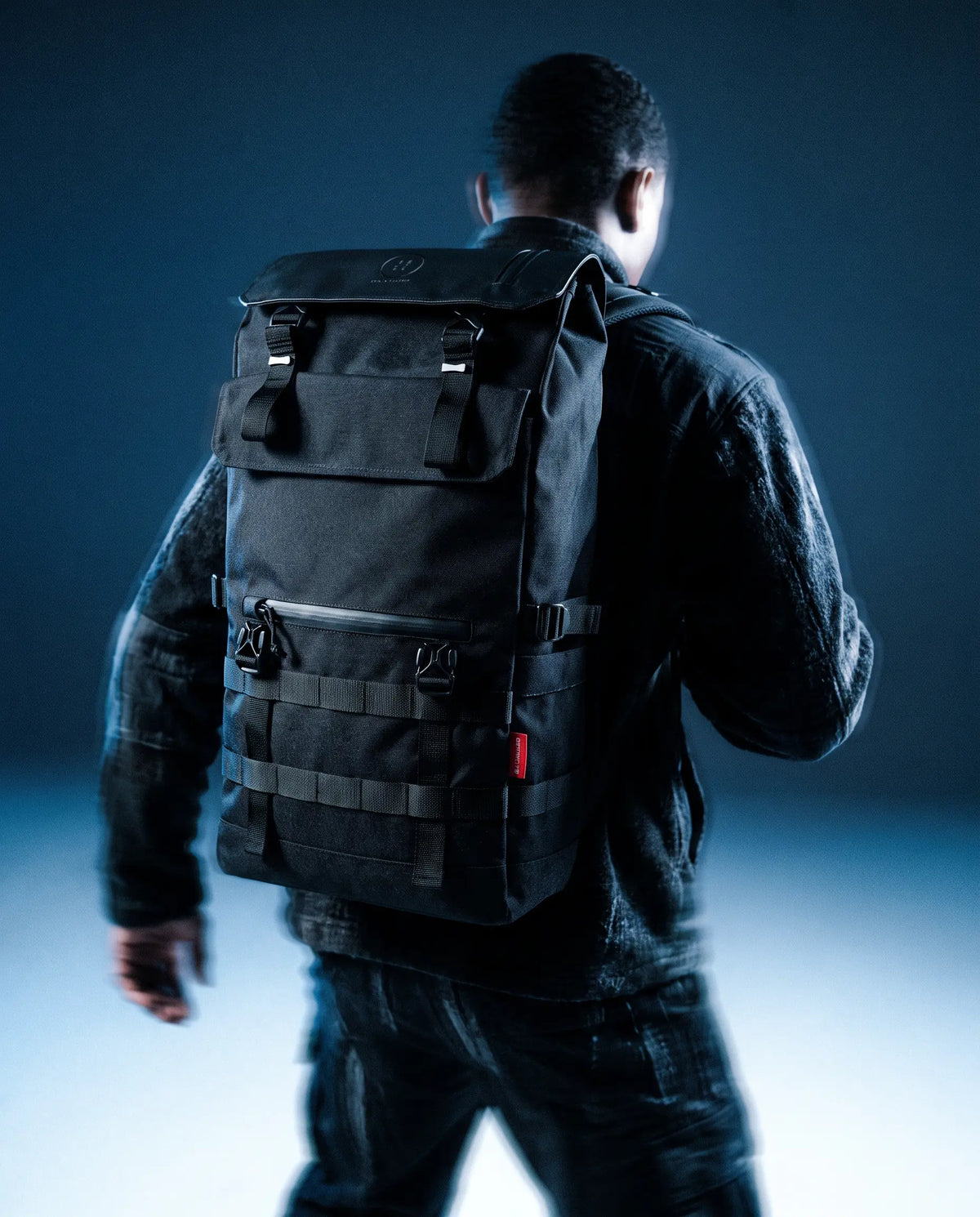
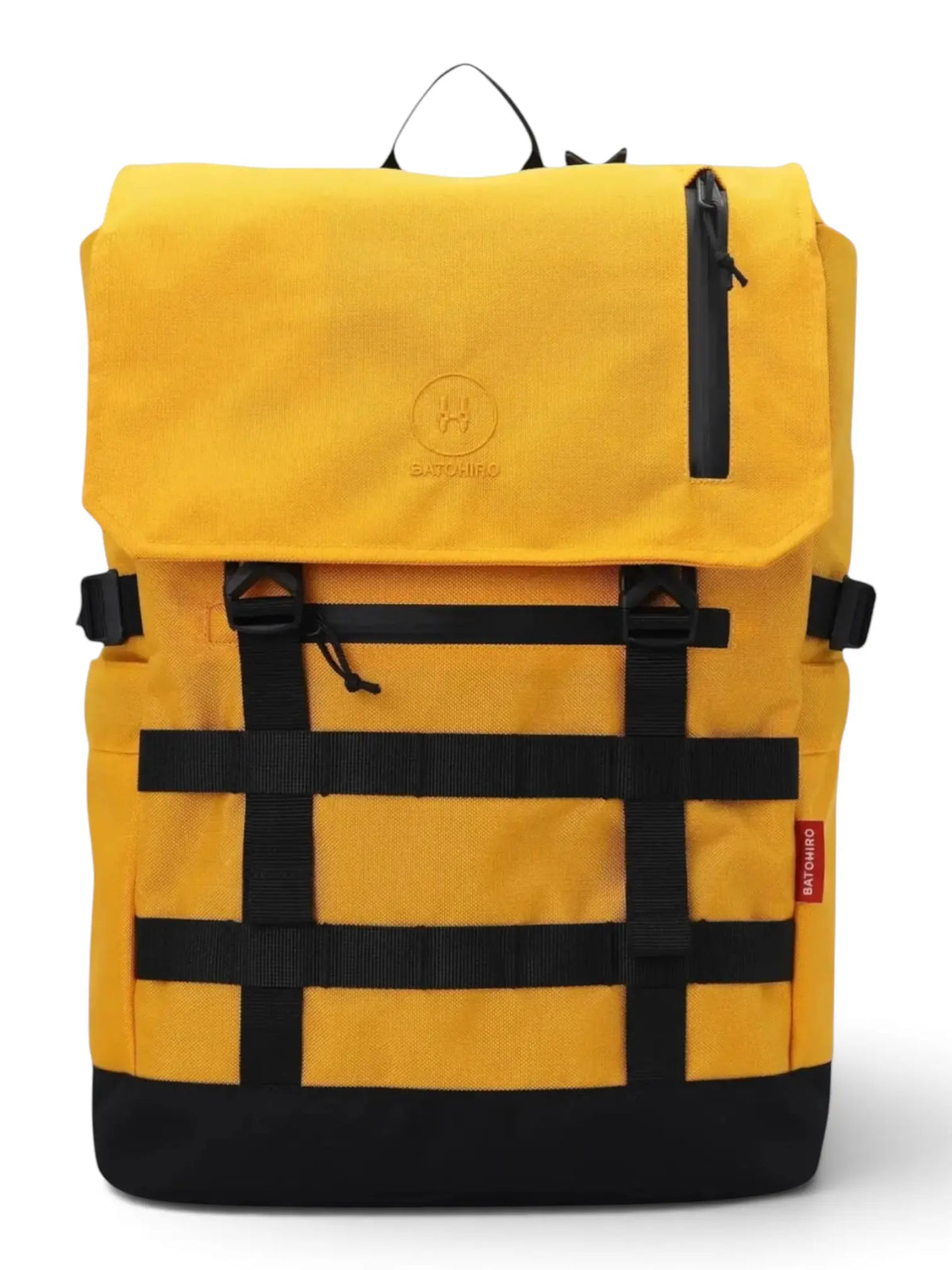
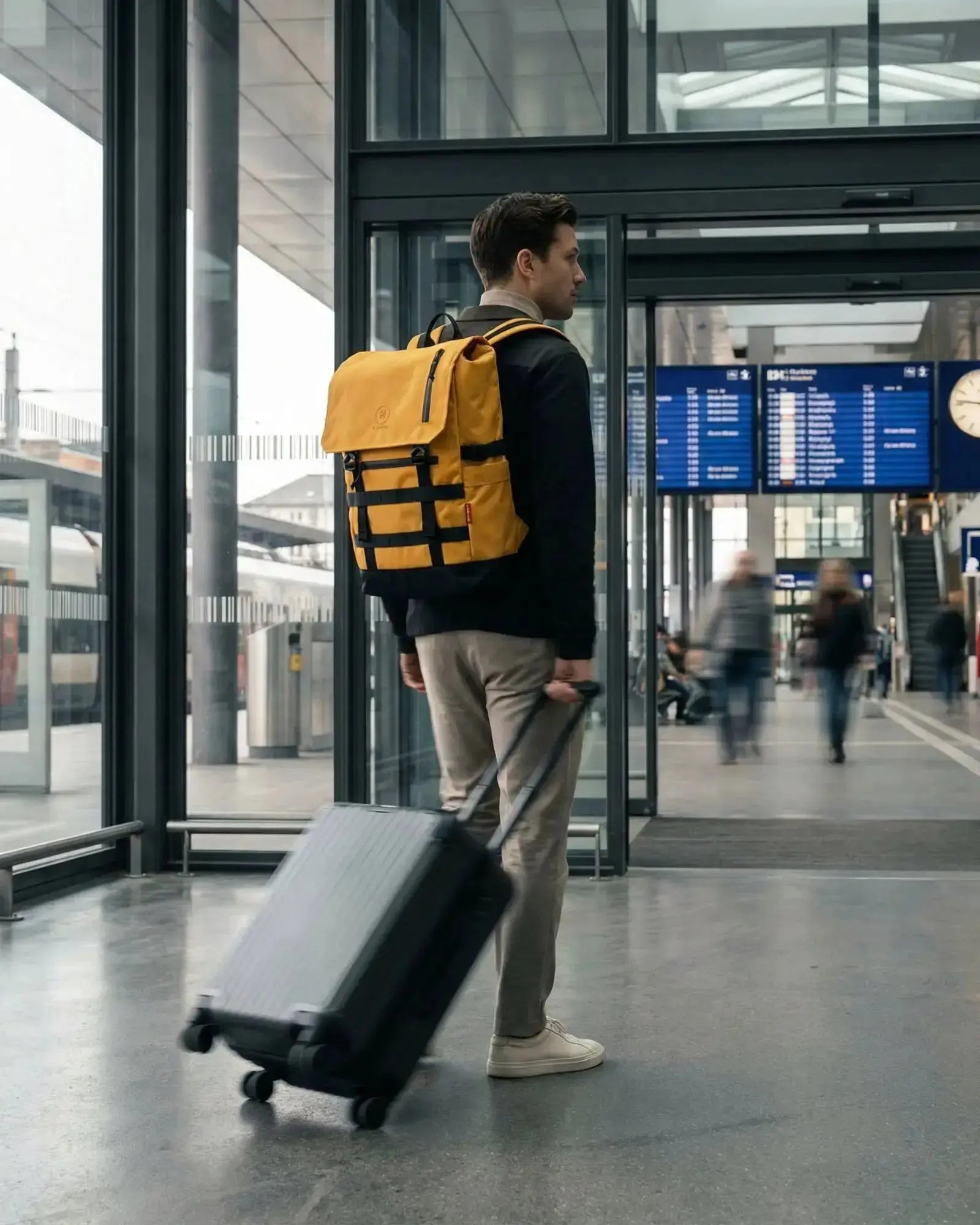

The search for the right airplane backpack usually begins when you do not want to deal with a suitcase, fees, or unnecessary repacking during security checks. A well-chosen travel backpack makes weekend trips, business travel, and longer journeys around the city after arrival easier. The main differences are usually in the dimensions, organization, and carrying comfort. That is exactly what we will look at practically in this article: what limits airlines have in 2026, when an under-seat backpack is enough, and how to choose a model that will work not only for air travel but also in everyday use.

Why a travel backpack for air travel is a practical choice
An airplane backpack makes traveling easier, especially for people who want to move quickly without unnecessary bulk. Compared with a wheeled suitcase, it is lighter, fits more easily in the overhead compartment, and does not get in the way when moving through the airport or around the city. You will appreciate this on weekends, business trips, and while waiting for a connection, when you need to keep your hands free. A major advantage is traveling light without checked baggage - a well-designed carry-on backpack can hold clothes, electronics, and small essentials for several days.
Airline carry-on baggage dimensions (2026)
For an airplane backpack, appearance is not the only important factor - what matters most is whether it meets the requirements of the specific airline. You need to distinguish between two categories: small personal baggage, which goes under the seat and is usually free, and larger cabin baggage for the overhead compartment, which low-cost airlines usually charge extra for.
| Airline | Under the seat (free) | Cabin baggage for the overhead compartment |
|---|---|---|
| Ryanair | 40 × 30 × 20 cm | 55 × 40 × 20 cm, 10 kg (Priority) |
| Wizz Air | 40 × 30 × 20 cm, 10 kg | 55 × 40 × 23 cm, 10 kg (WIZZ Priority) |
| easyJet | 45 × 36 × 20 cm | 56 × 45 × 25 cm (for an extra fee) |
| Smartwings | 40 × 30 × 15 cm, 3 kg (Plus, Flex fares) | 55 × 40 × 23 cm, 8 kg (including the Lite fare) |
As of September 2026. Airlines change their rules - check the limits on the carrier's website before every flight.
What this means when choosing a backpack
If you mainly fly with Ryanair or Wizz Air without paying extra, you need a small backpack or bag up to 40 × 30 × 20 cm. If you pay for Priority, fly with Smartwings, or travel with a traditional airline, a full-size travel backpack up to 55 × 40 × 20 cm fits in the overhead compartment - and you can pack enough in it for a week.
For perspective: Minato Lite 2.0 measures 24 × 37 × 15 cm in its smallest configuration, so it qualifies as free under-seat baggage with Ryanair, Wizz Air, and easyJet. Minato Premium 6.0 measures 30 × 44 × 16 cm in its 20-liter configuration and meets the cabin baggage limit for all four airlines in the table. Expanded to 40 liters, it measures 56 cm in height - at that point, you should expect to check it in or rely on the tolerance of traditional airlines.
How to measure your backpack correctly
When measuring, account for a fully loaded backpack, soft parts, and protruding pockets. Measure the width, height, and depth, and leave yourself a small margin because a full backpack behaves differently from an empty one. The frame at the gate measures without compromise - even a two-centimeter excess can mean an extra charge. If your backpack has an expansion system, compress it to its smallest size before your flight.
What to look out for when choosing a backpack for air travel
The best backpack for air travel isn't usually the most stylish one, but the one that meets requirements for size, weight, material, and internal organization. A travel backpack needs to handle frequent use without adding unnecessary weight to the items inside. Some people need a backpack with more pockets, while others prefer a simple carry-on backpack with a laptop pocket and quick access to their documents. Carrying comfort is also important, because during transfers, in queues, and while getting around, there's a clear difference between a backpack that fits well and one that digs in.
Backpack weight and capacity
A lighter backpack leaves more room for your own belongings, which is a major advantage for carry-on luggage with an 8-10 kg limit. The Minato Premium weighs approximately 900 g, so with a 10 kg limit, you have over 9 kg left for your belongings; the Minato Lite weighs only around 500 g. A smaller capacity is often enough for a weekend, while a larger one is useful for a longer stay, but it's not a good idea to choose based only on the number of liters - capacity alone isn't enough if the backpack has a poor shape or an unnecessarily heavy construction.
Material and durability
For frequent travel, durable materials are useful because they are easy to maintain and can handle crowded airports as well as getting around in city traffic. Strong stitching, quality zippers, and ideally water resistance are important. For travel backpacks, it's practical when they can survive being placed on the ground frequently, cramped space on a plane, and quick repacking. That's why we make our travel backpacks from CORDURA® - we explain why in the article 1000D CORDURA® Nylon.
Features that make a backpack a great travel companion
With a good travel backpack, the details you don't notice at first glance make all the difference. Practical pockets and an organizer help divide your belongings so chargers, documents, toiletries, and clothes don't get mixed up. Hidden pockets for valuables are useful if you fly frequently or spend time in busy cities. Wide straps, a padded back, and a luggage strap add comfort.
With the Minato Premium 6.0, we designed side access to the laptop pocket and a hidden document pocket specifically for airport security checks - you can take out your laptop without opening the backpack, while keeping your passport close to your body. The luggage strap slides onto the handle when you happen to be flying with checked baggage.
Laptop and electronics pocket
A separate, padded laptop compartment protects the device from impacts and speeds up security checks. It is important that the compartment size matches the device - the Minato Premium fits a laptop up to 17", while the Minato Lite 2.0 fits one up to 16".
Comfortable carrying and backpack back panels
When carrying it for longer periods, soft straps, a breathable back panel, and stable weight distribution make the difference. The backpack should not pull backward or swing while walking. Comfort is especially important during transfers, while waiting in line, and when traveling from the airport to the hotel. With a fully loaded backpack, a sternum strap helps by drawing the shoulder straps together.
Travel backpack by trip type
Not every backpack for air travel suits every situation. For a weekend trip, a compact model that packs quickly is usually best. For a holiday with carry-on luggage only, a larger backpack with better organization is suitable. For a business trip, a more elegant model with clean lines makes sense.
Backpack for business trips
For business trips, a discreet appearance, an organizer, and space for documents, a laptop, and chargers are useful. Quick access to items used during security checks or between meetings is an advantage. The backpack should look neat and timeless - both in the office and at the airport.
Backpack for short flights and weekend trips
For a short trip, compactness is more important than maximum capacity. Easy packing, simple organization, and quick access to essentials are usually enough. A smaller backpack is often more efficient than a large one because it is easier to carry and less tempting to fill with unnecessary items. For a light weekend trip, the 15-20 l Minato Lite 2.0 is enough - and with low-cost airlines, its under-seat dimensions mean you will not pay extra for it.
How to avoid fees with low-cost airlines
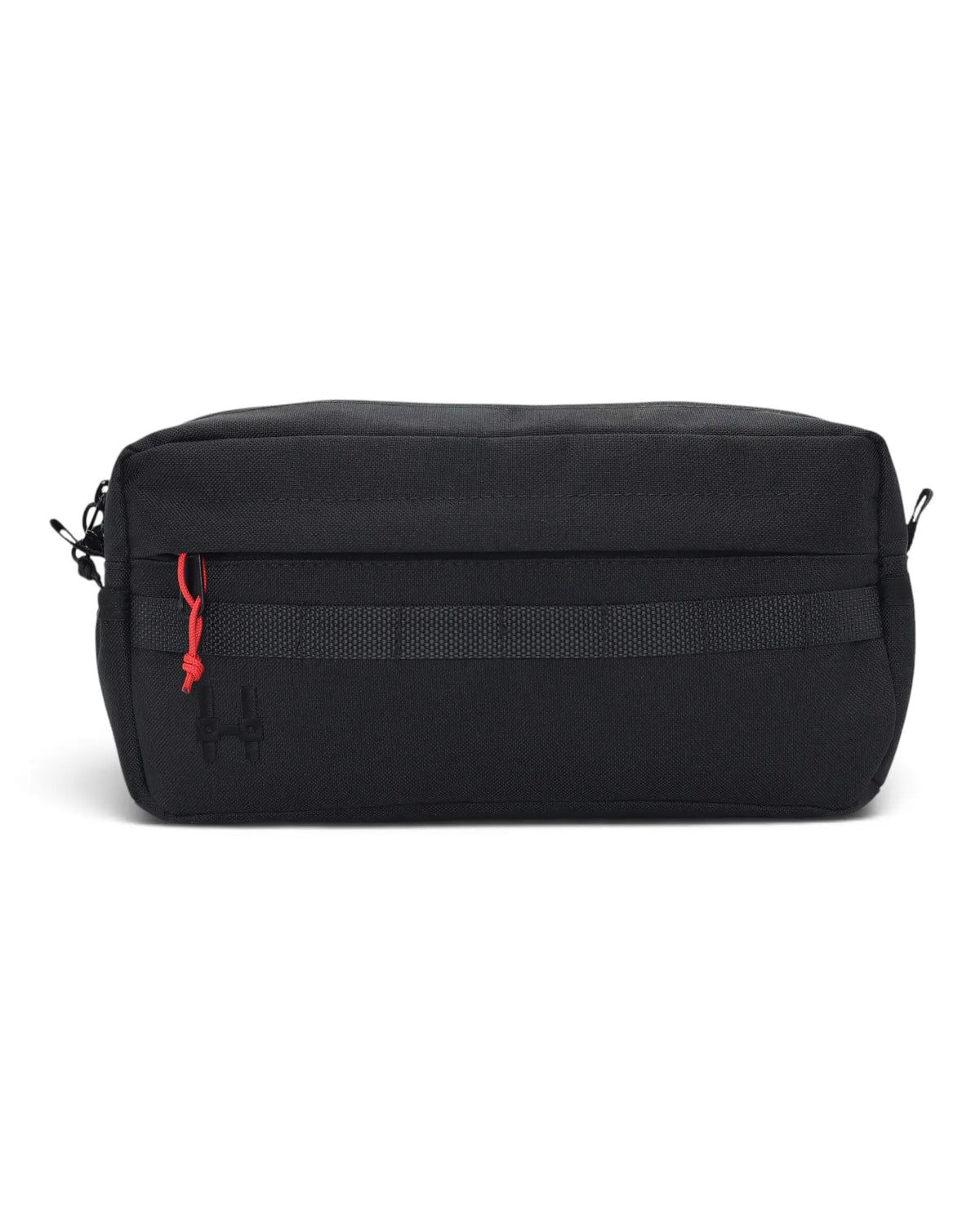
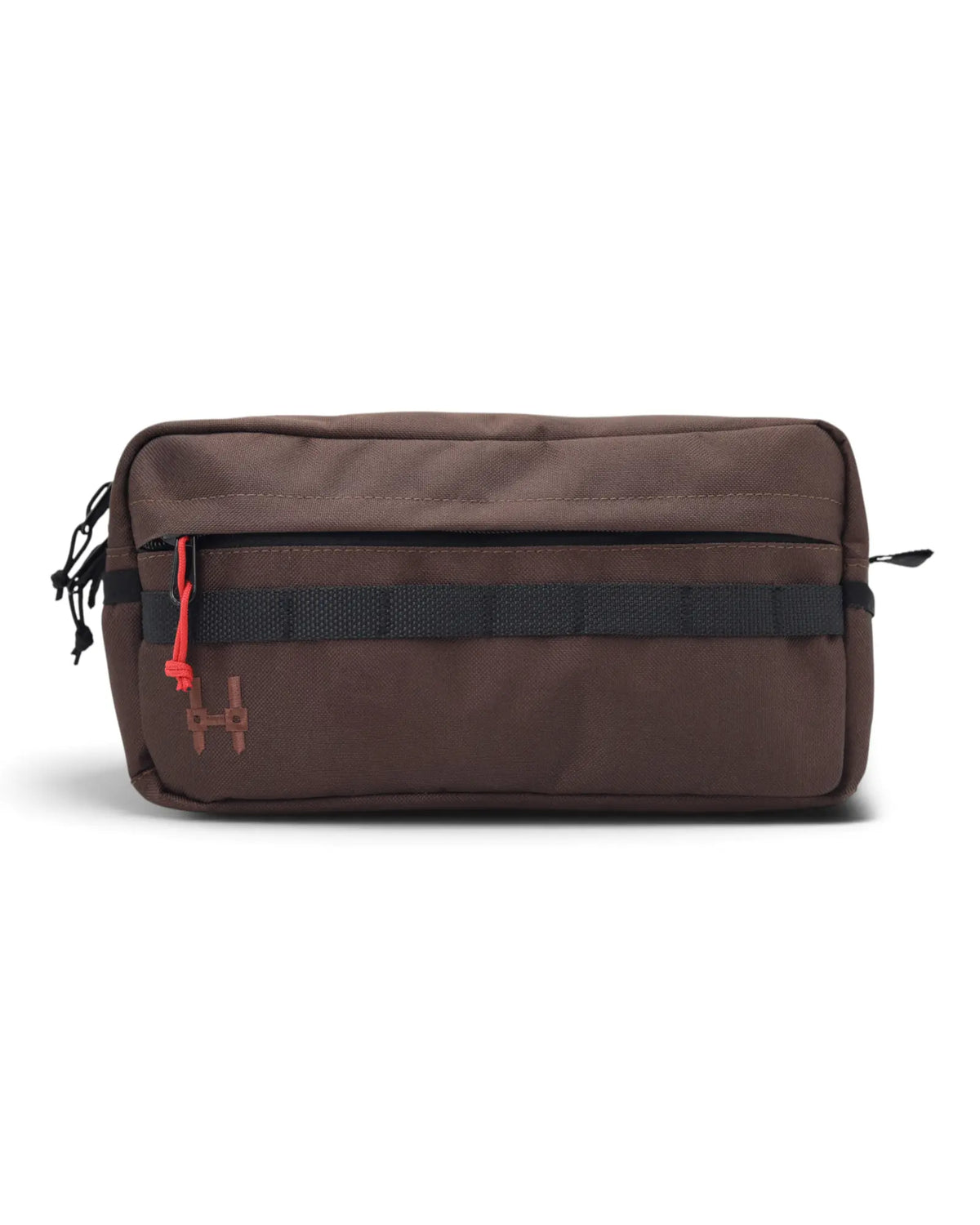
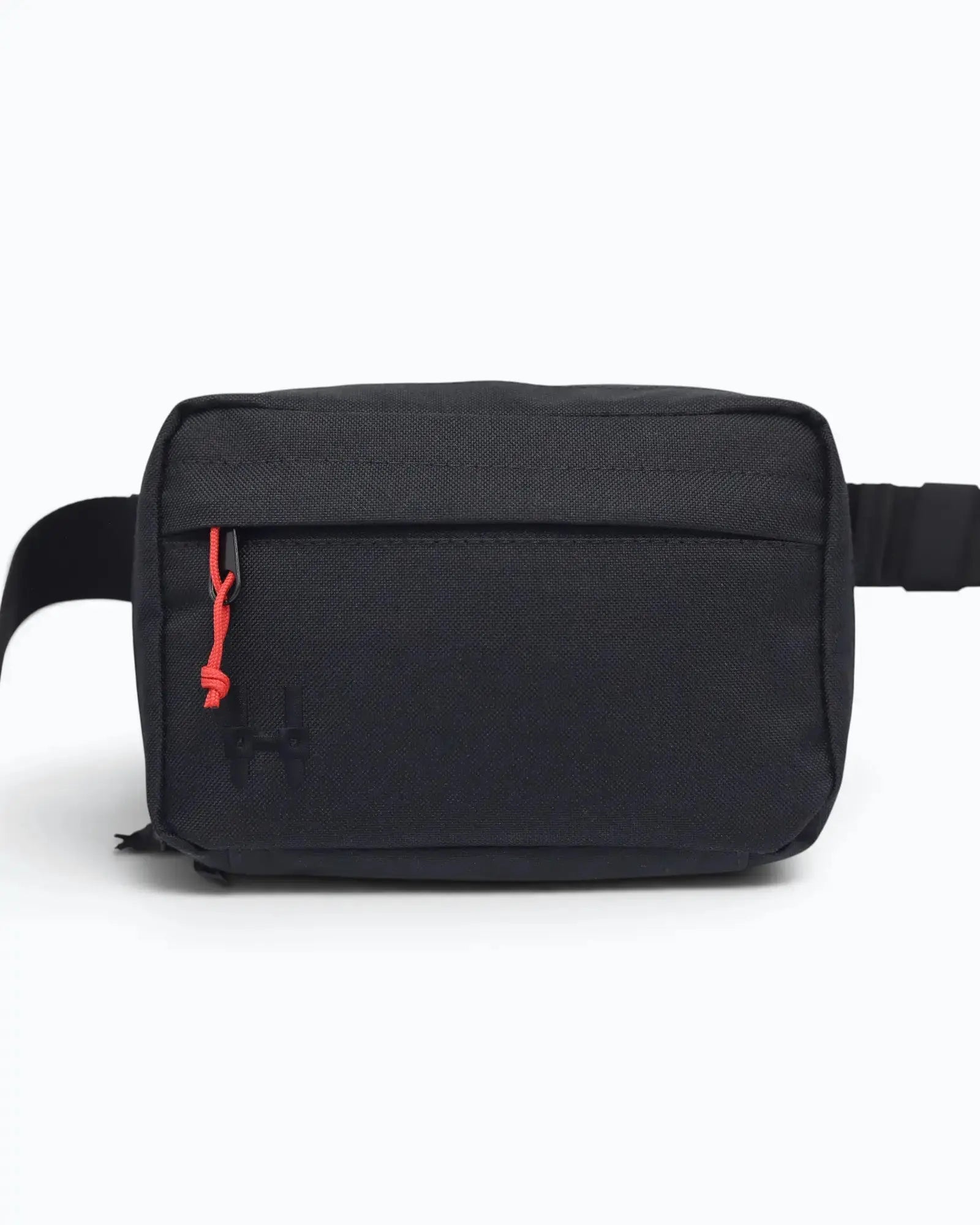
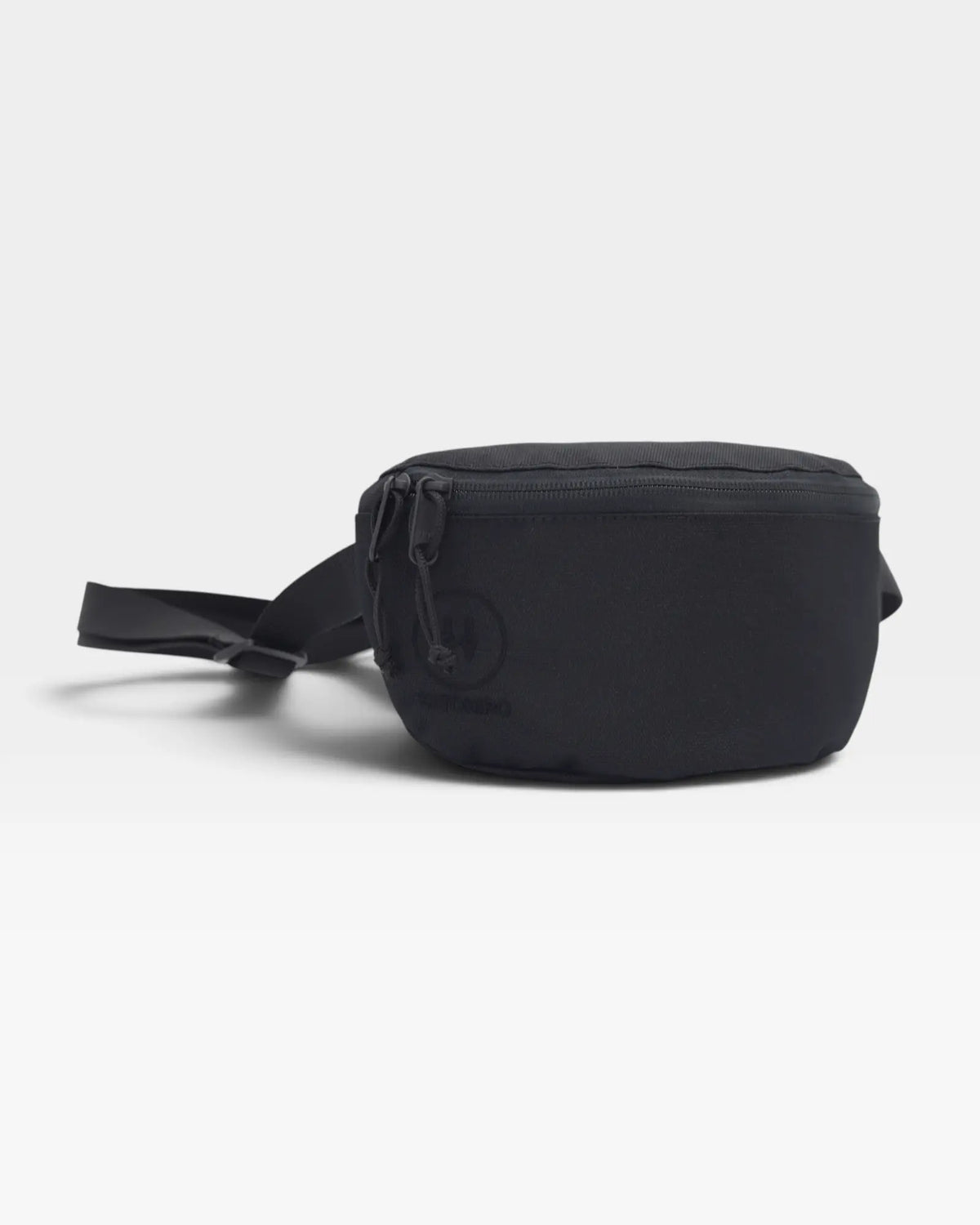
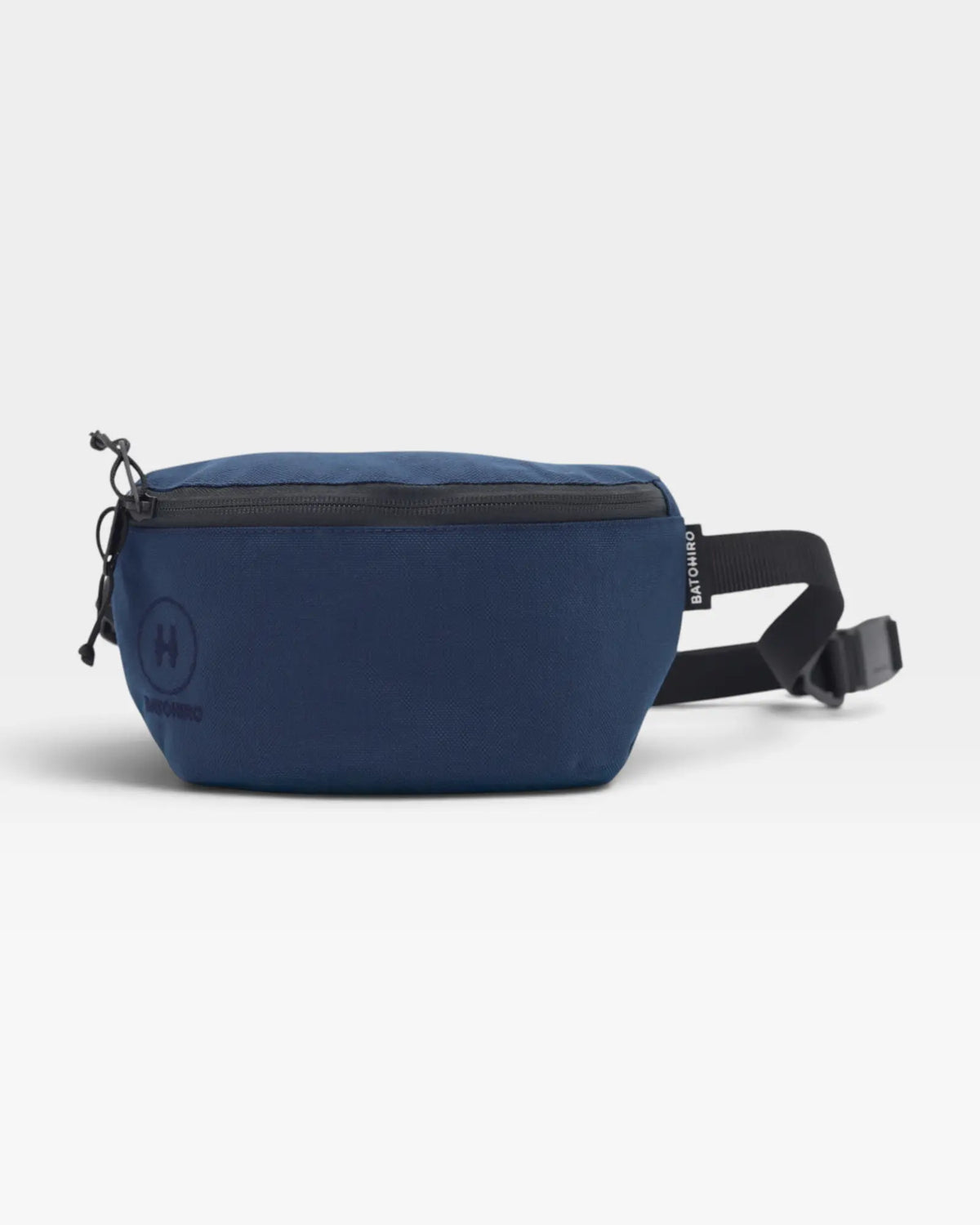
On low-cost flights, a backpack is often the only way to avoid extra baggage fees. Fees usually arise because of details: an overstuffed backpack, rigid sides, or protruding pockets. Leaving some room in the dimensions and weight, along with packing the contents sensibly, helps. It is practical to keep your documents, phone, and wallet outside the backpack - in the small Kai S waist bag worn across your body, they are within easy reach while waiting in line for security and at the gate.
How to pack a travel backpack efficiently for a flight
Proper packing determines whether everything you need will fit in your backpack and whether it will still be comfortable to carry. Making use of every space does not mean overstuffing your backpack, but distributing items logically according to weight and accessibility.
- Put heavier items (electronics, heavier toiletries) close to your back.
- Roll your clothes - it saves space and fills the gaps between rigid items.
- Liquids and documents should go at the top or in an external pocket, as you will take them out during security checks.
- Organizers and cases keep small items together, so you can quickly find your way around your backpack.
- Do not overfill the backpack - it will retain its shape and fit more easily into the frame at the gate.
The most common mistakes when choosing an airplane backpack
The typical mistakes are always the same: the wrong dimensions, the backpack itself being too heavy, too few pockets, and underestimating the rules of a particular airline. Many people choose a backpack based only on its appearance and discover too late that it does not fit the limits or is uncomfortable to carry. Before buying, a simple checklist helps: verify the dimensions, consider its intended use, check the weight and material, and look for a laptop compartment and comfortable back support. And check the rules before every flight - the same route does not mean the same rules.
How to recognize a quality travel backpack in practice
You can recognize a quality travel backpack by its sturdy seams, reliable zippers, well-designed straps, and smart organization. It is not just about first impressions, but how the backpack performs after several trips, when fully packed, and during everyday use in the city. It is worth trying the backpack on and paying attention to details such as water-resistant YKK® zippers, water-resistant material, and back padding. With premium backpacks, the balance between price, features, and lifespan also matters - as does whether they can be repaired. We sew Batohiro backpacks by hand in Prague, provide a lifetime warranty, and repair them in our workshop.
Which Batohiro airplane backpack


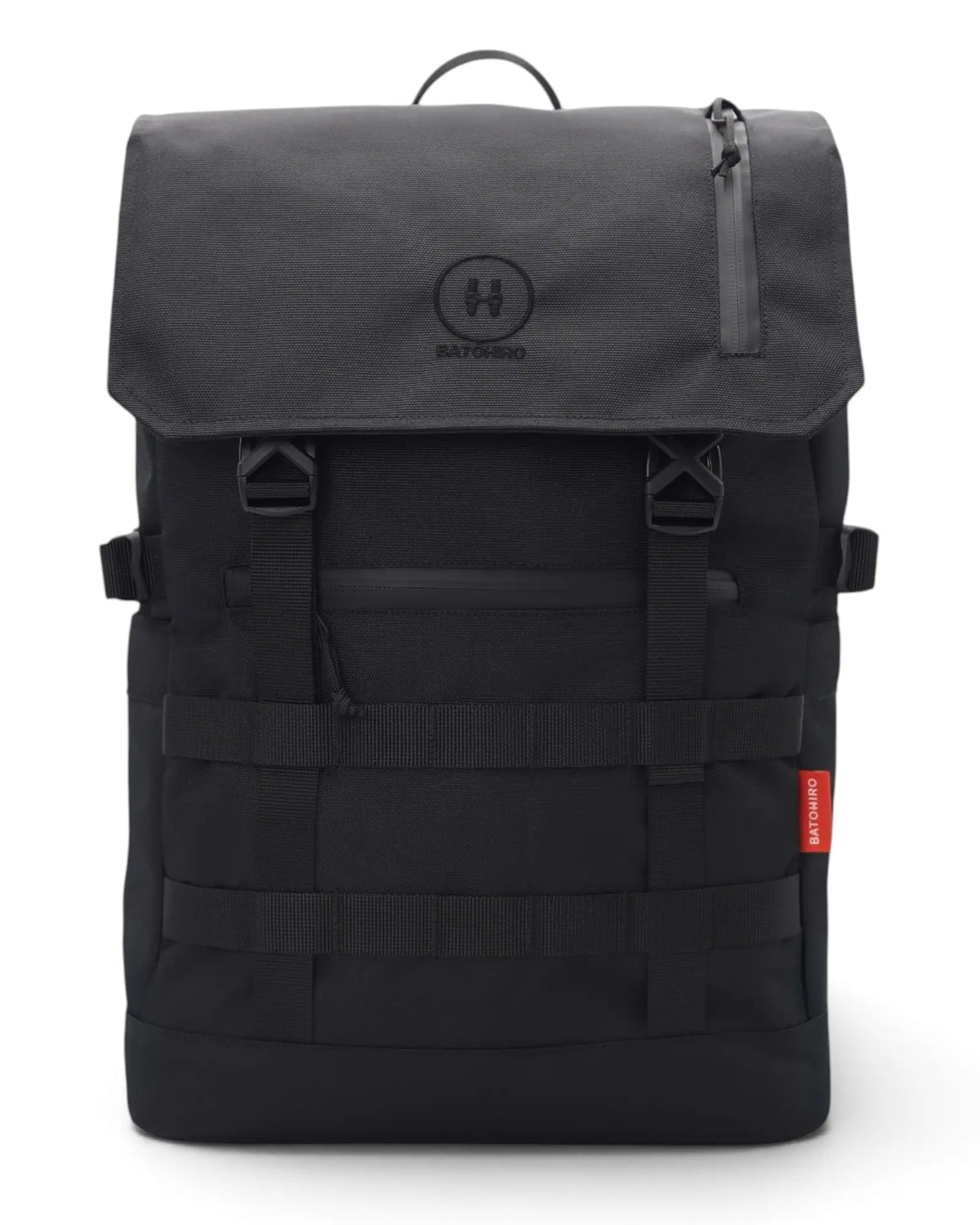
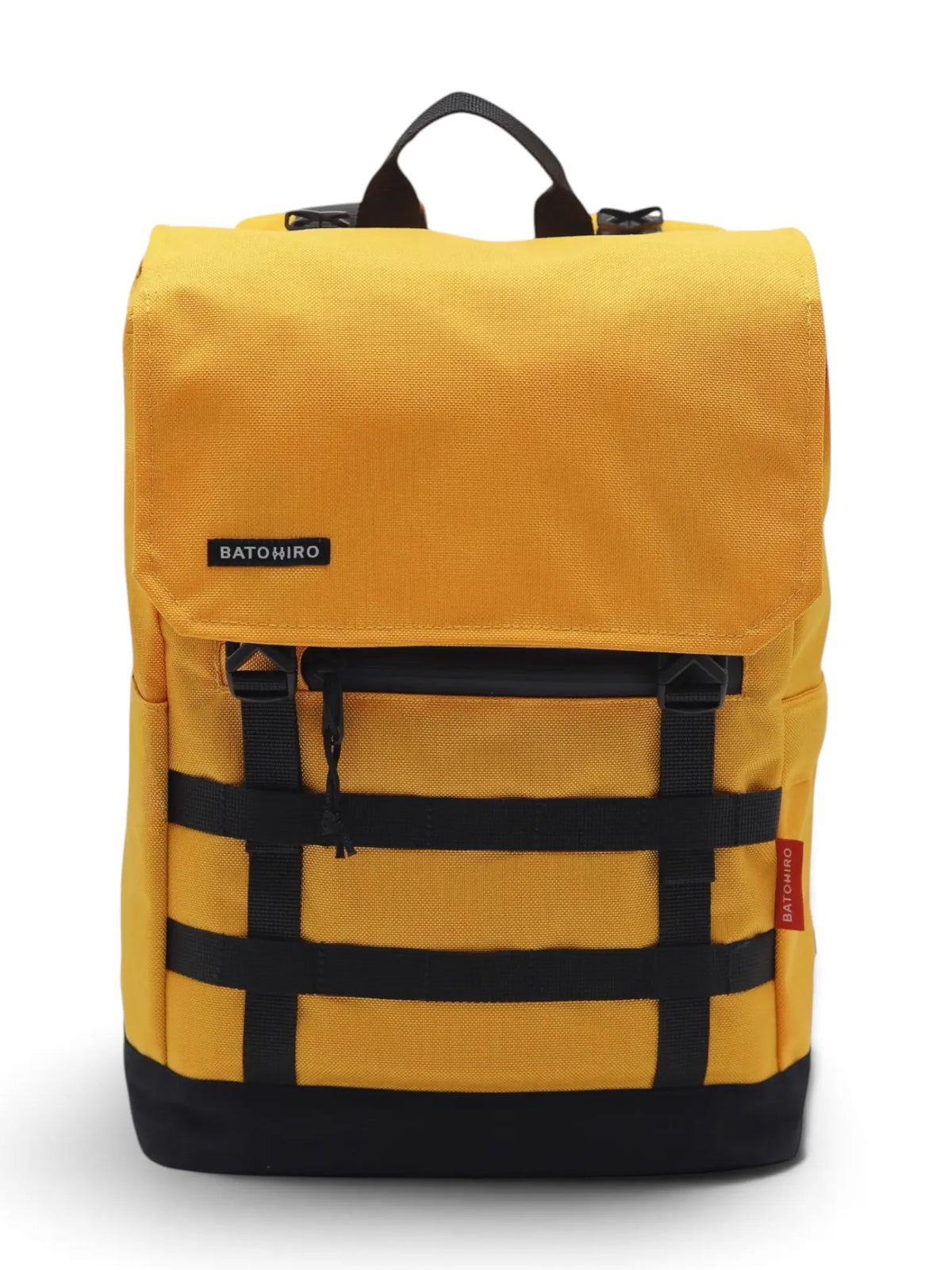
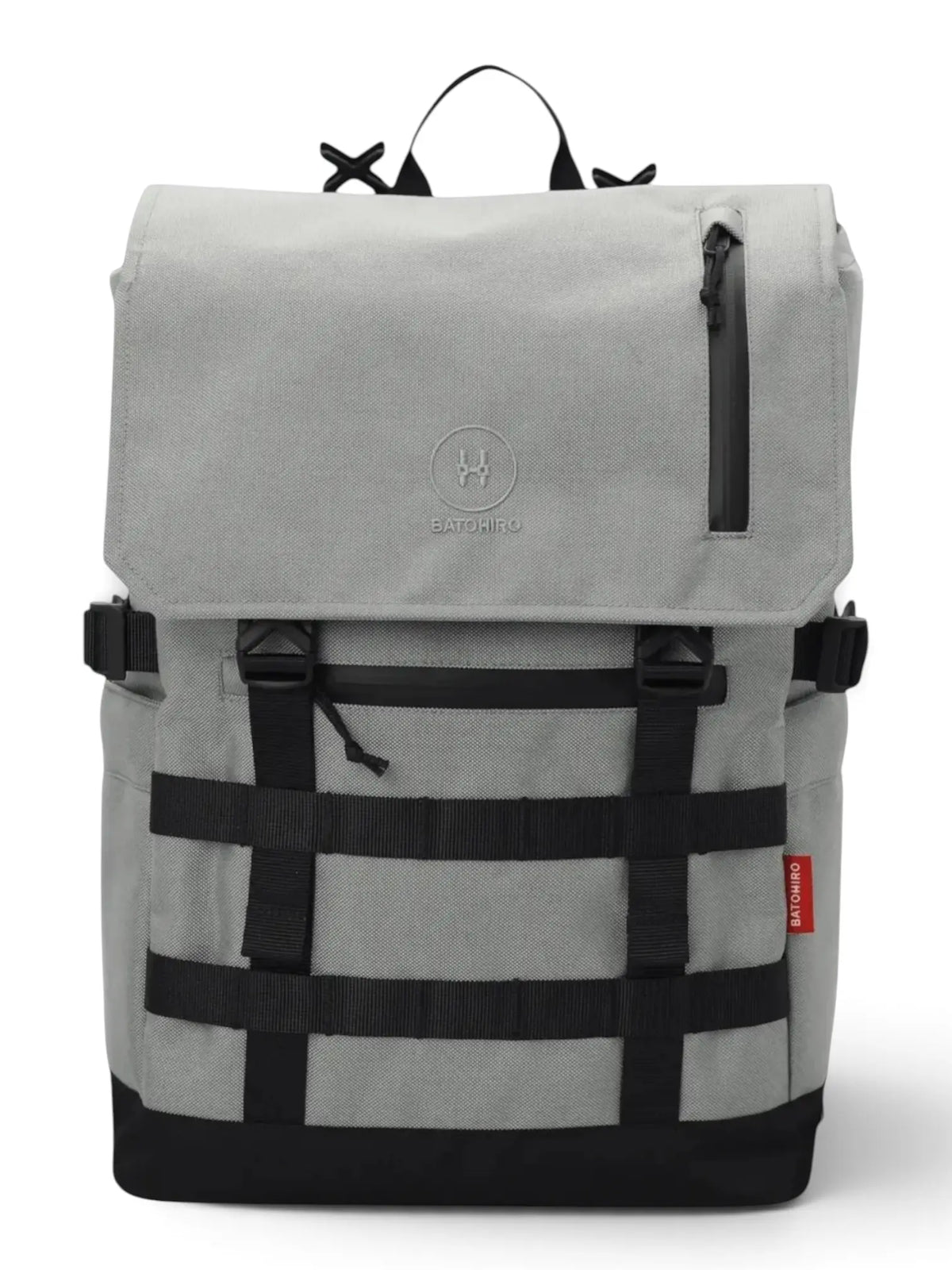
Minato Premium 6.0 – 20 to 40 l, a 17" laptop with side access, a hidden document pocket, approx. 900 g. The most versatile choice: for work or two weeks away.
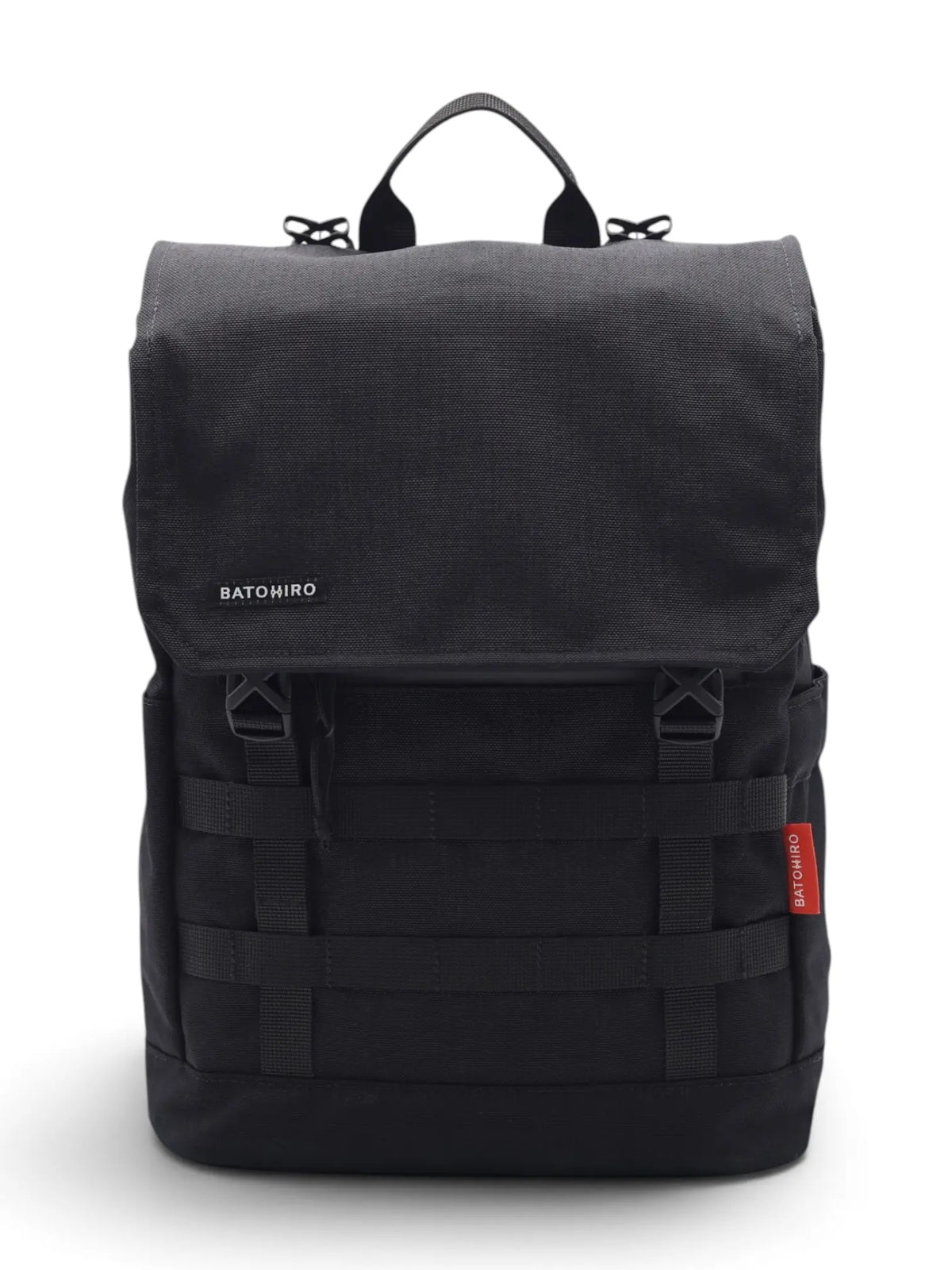
Minato Lite 2.0 – 15–20 l, 24 × 37 × 15 cm, approx. 500 g. Fits as free under-seat baggage – for a light weekend flight with no extra charge.
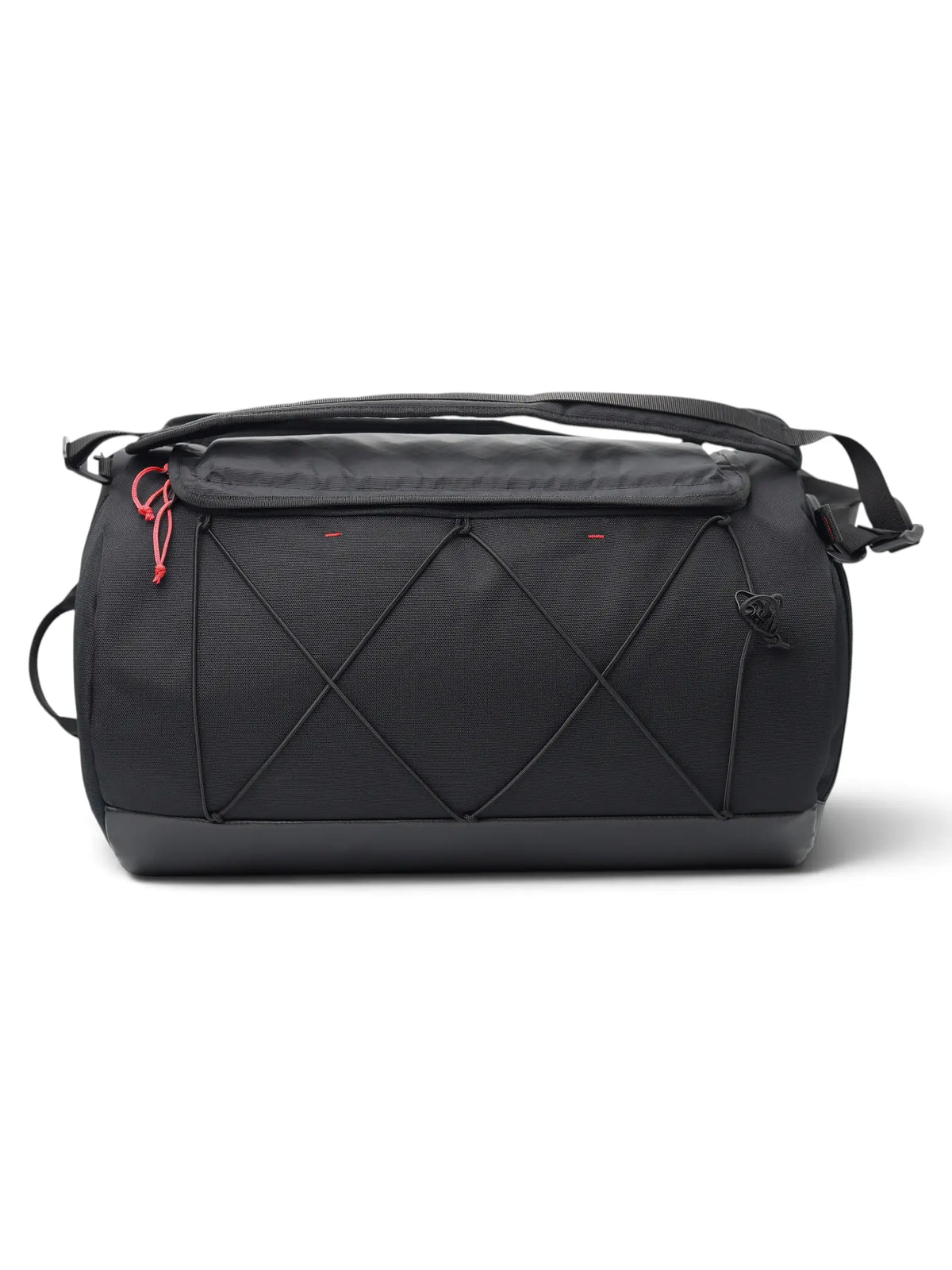
Tenso Traveller 40 l – a backpack and shoulder bag in one, with a separate shoe compartment. For a week without a suitcase.
We broke down the differences between Premium and Lite in the article Minato Premium vs. Minato Lite. You can try all our backpacks at our shop in Žižkov, Prague.
A backpack that handles both flights and everyday life
A well-chosen airplane backpack is more than just a solution for the airport. Ideally, it works as a travel backpack, a work companion, and a reliable city backpack. When it meets carry-on size limits, has thoughtfully designed pockets, is comfortable to carry, and can withstand frequent use, it pays you back in comfort and time saved. And when travelling light, that is often the biggest difference.
Read more
It started with a simple frustration. In 2019, we looked around and saw a world flooded with backpacks that all looked nearly the same, were made who-knows-where, and ended up in the bin after two ...
Travel bags are among the most practical types of luggage for times when you do not want to deal with a hard shell but still need more space than a regular backpack provides. They can be lightweigh...